Cleveland dismembered murder
Unnamed victims of Kingsbury Run
During the Great Depression of the 1930s, Cleveland, and the remains of unidentified victims were found one after another in Kingsbury Run, where railways and shacks were intertwined.
It is highly likely that the sole central criminal committed many cases and was familiar with private spaces and transportation networks. However, it is impossible to confirm a specific suspect only in future circumstances due to the lost original records and unidentified victims.
Prologue: Recorded Night
After the night deepens, the data was spread on the desk. The first thing that caught my eye was not the answer, but the imbalance. Some scenes were as clear as photographs and some time zones were empty as a whole. People try to capture one clear scene and explain the whole thing, but I marked the empty section first. Mysteries arise because there are many clues, but they also arise because the distance between clues is too far.
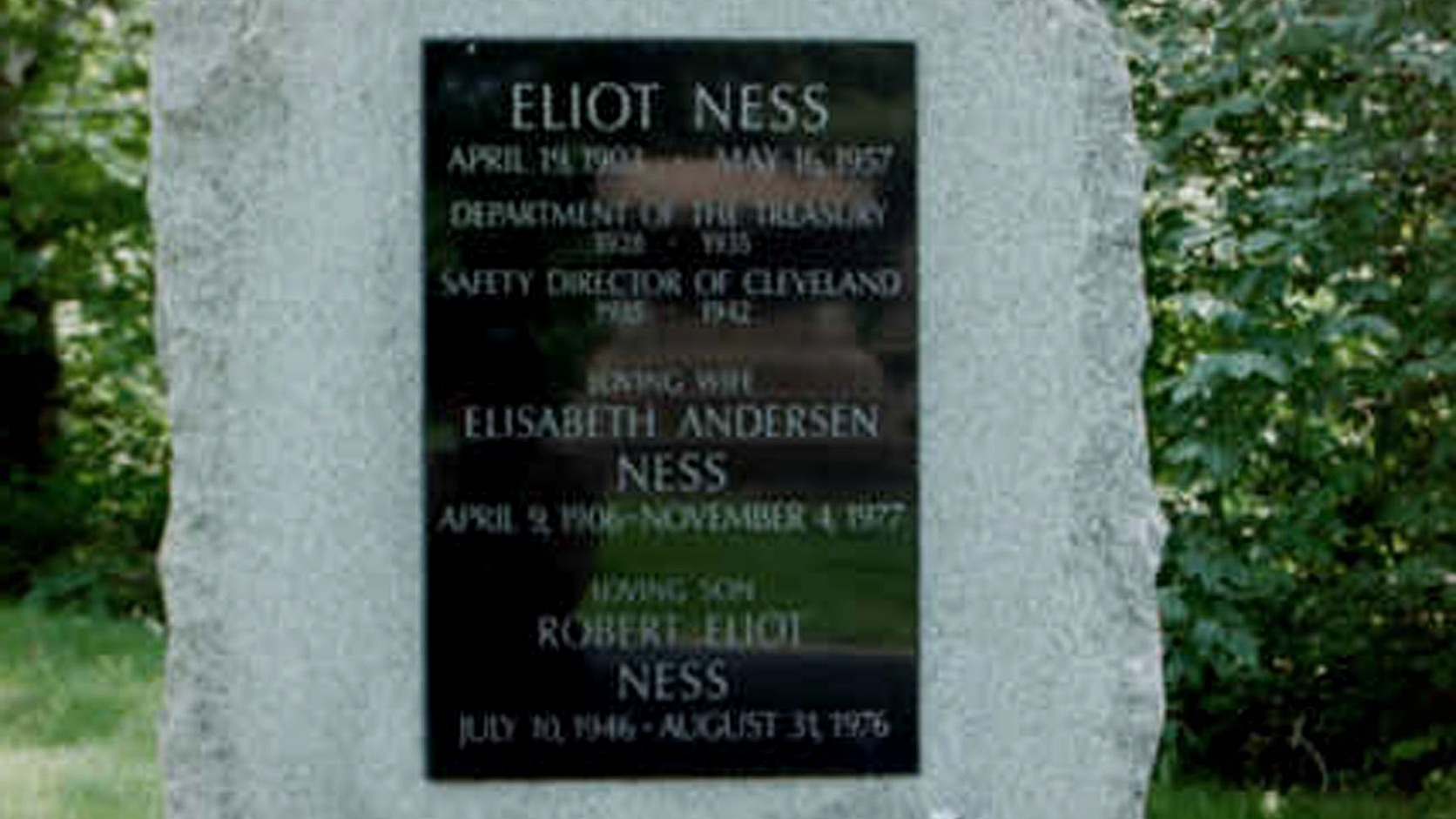
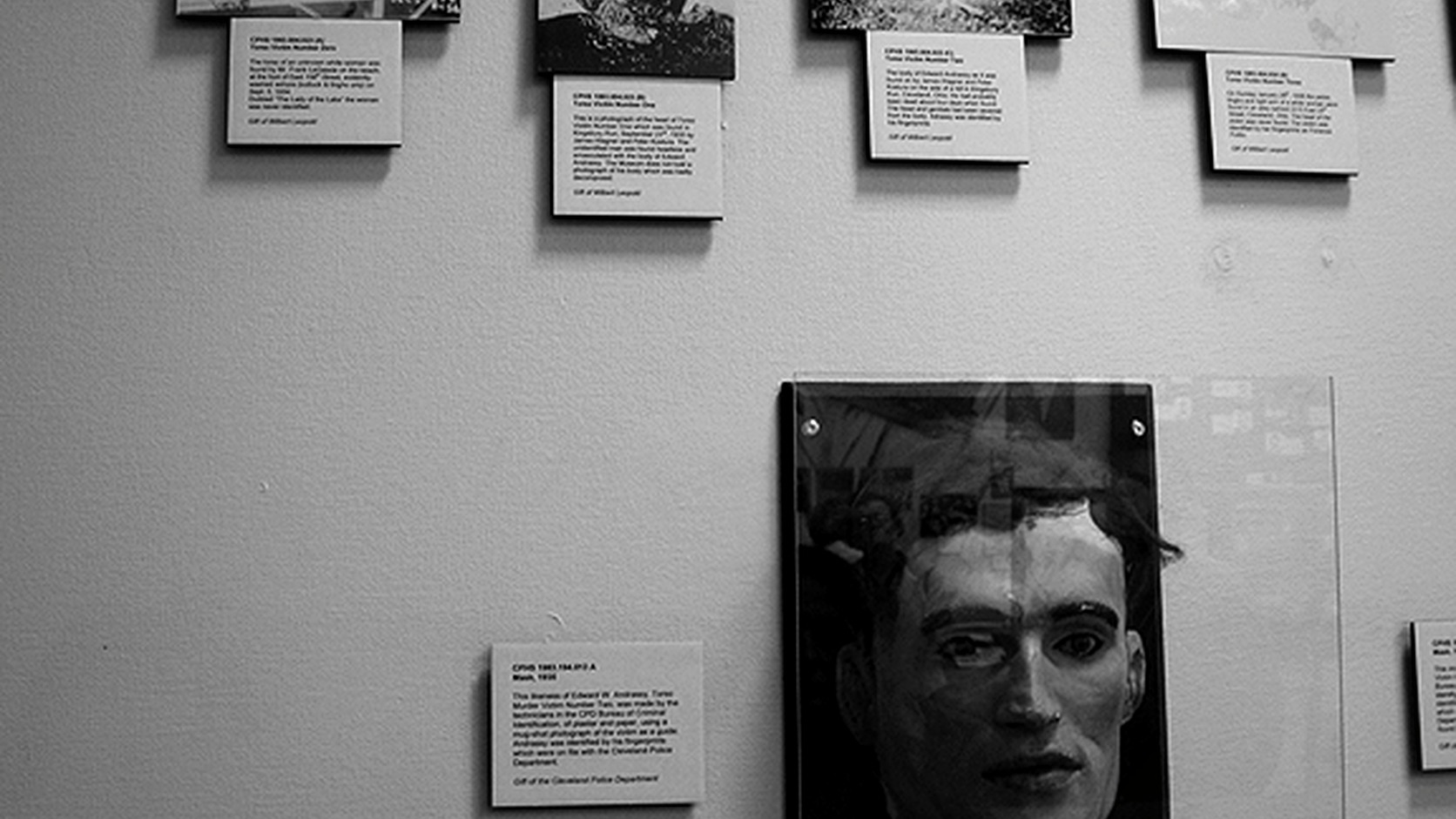
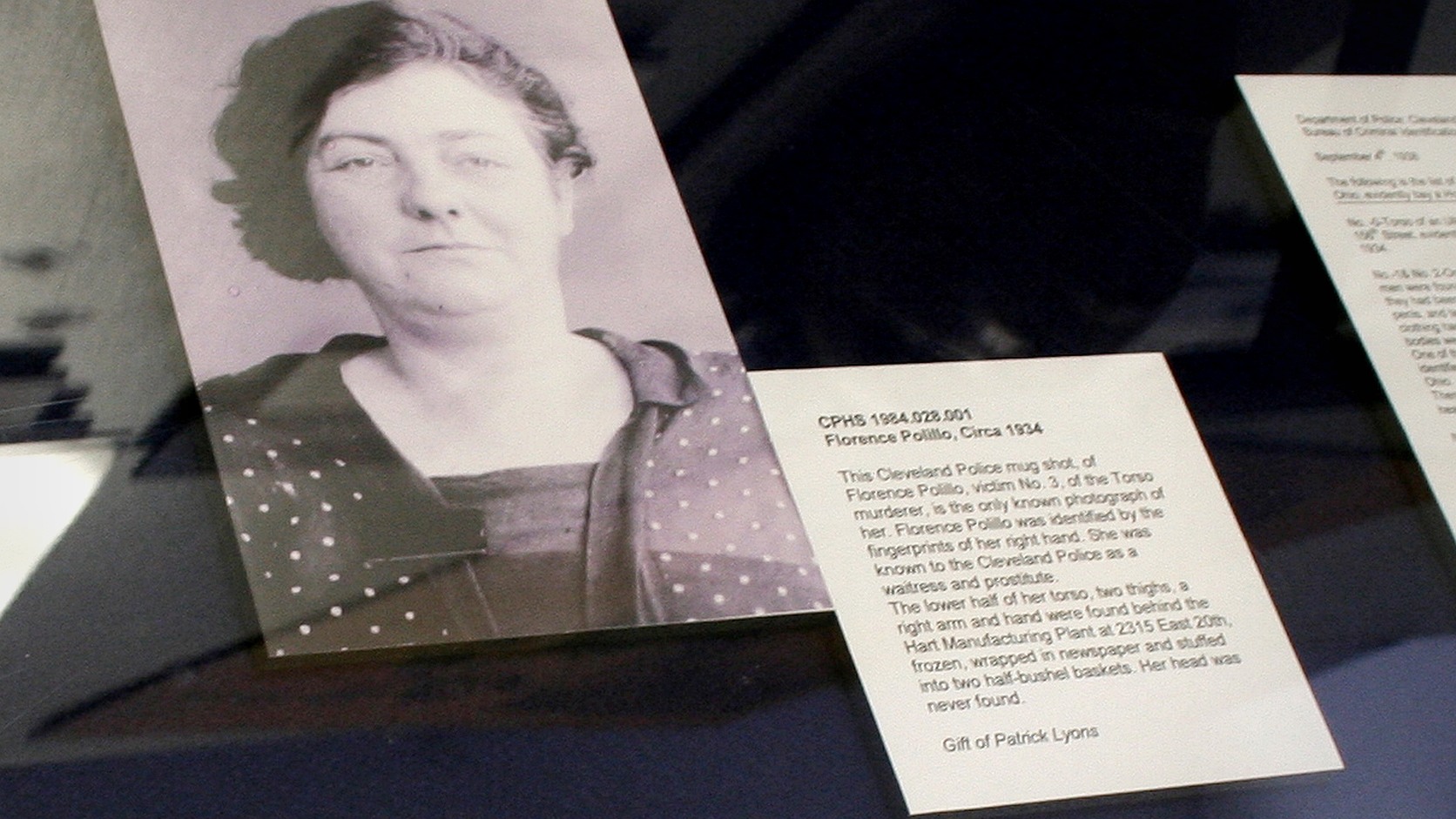
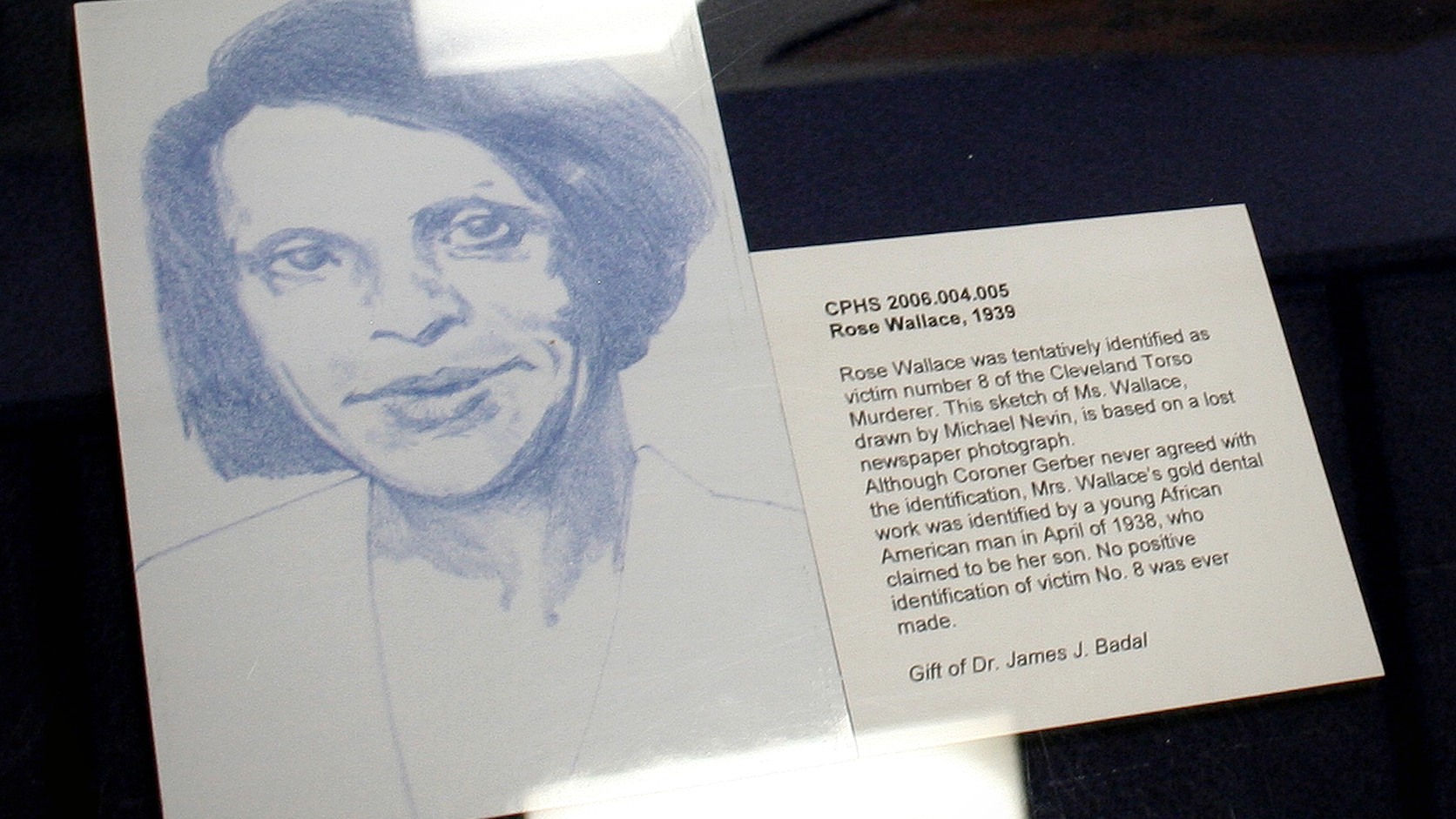
There are twelve victims who are officially tied up, and many of them have not been able to find their names in the end. The body amputation method was repeated, but the location and condition were different. Elliott Ness, the director of public safety at the time, led the investigation, and many of the police's original records have since disappeared or been lost.
I deliberately read the famous hypothesis at the end. First of all, when we encounter the conclusion, it seems that all objects and symbols exist for that conclusion. Therefore, the timetable, place, object, and original text were organized first, and the witness and interpretation were placed in different compartments. The novel-like atmosphere was drawn from the cold texture of the actual record, not from a made-up secret.
Case File: What I Could Believe
20313233343536373839404142434445464748495051525354555657585960616263646566212223242526272829303132333435363738394041424344454647484950515253545556| Number | Confirmed Record | Current Reliability |
|---|---|---|
| 1 | Successive discoveries of amputated remains followed in Cleveland between 1935 and 1938. | High |
| 2 | The official case group is usually organized as twelve victims, and several people are unidentified. | High |
| 3 | Beheading and cutting were common to many victims. | High |
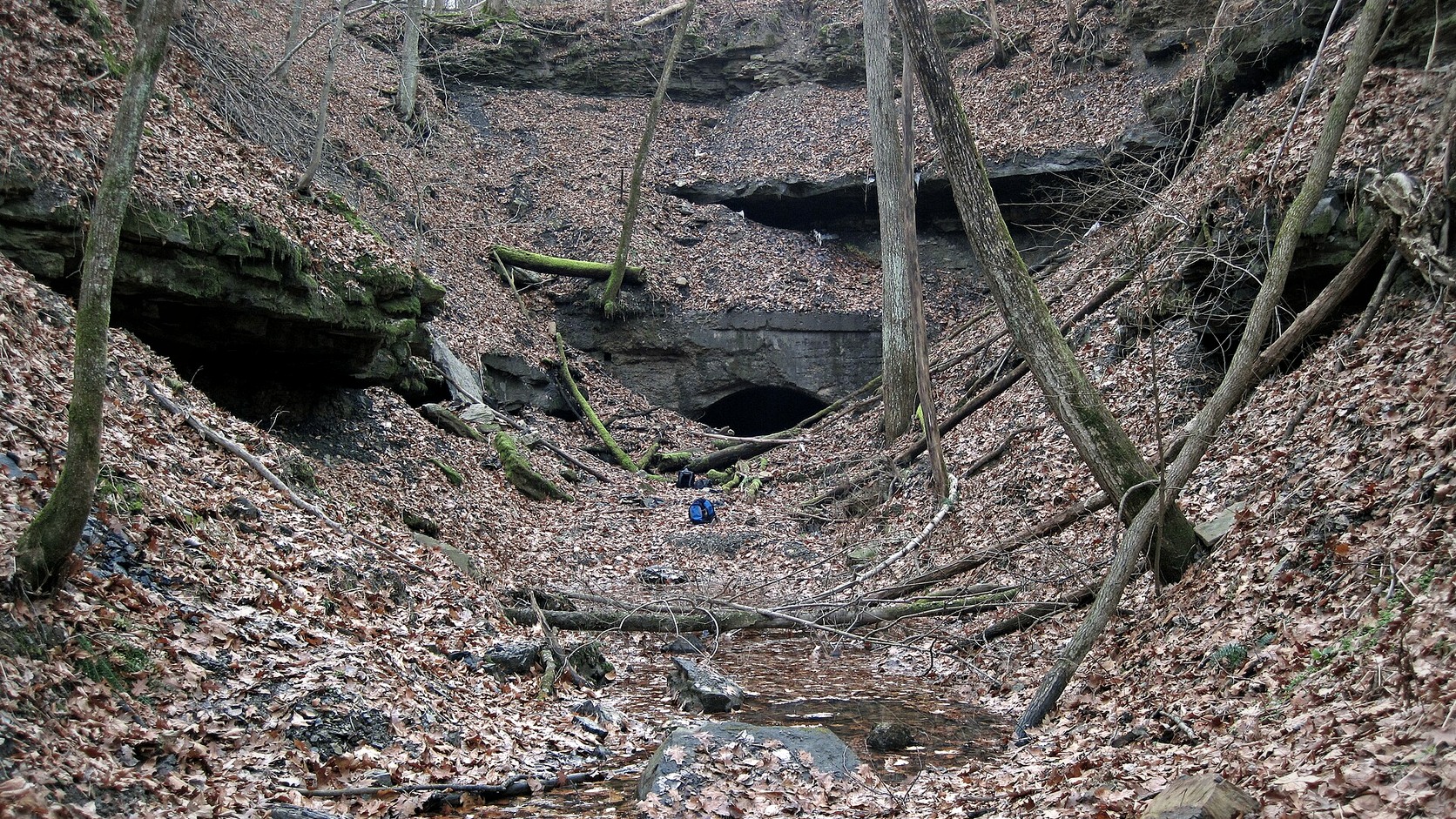
| 4 | The site of discovery spanned transportation and poverty areas such as Kingsbury Run and Lakefront. | Medium |
| 5 | Much of the Cleveland Police's original record is not currently available. | Medium |
The identity of all victims, the exact scope of the case group, the location of the crime, the occupation and identity of the criminal have not been resolved.
'Unexplained' is not the same as 'supernatural', 'a huge conspiracy', and 'only this hypothesis is possible'. I didn't count the blanks as evidence.
Scene Reconstruction: Finally, the place of the certain point
was changed to the actual movement, not the stage in your head. We divided the starting point, the last check point, and the location where the item was found and calculated the minimum time required in between. When the dramatic description of later generations was removed, small and specific elements such as sound and lighting, doors and roads, paper and ink, and the spacing of symbols came forward.
The person's mind was not fixed and the action was written first. The same behavior can be caused by fear, planning, error, and fatigue. If it is a code, the same symbol can be a sound, a word, a separator, and a meaningless sign. After writing down all possible roles, he erased the roles that conflict with other records one by one.
Clue 1. Successive discoveries of amputated remains followed in Cleveland between 1935 and 1938.
I split this sentence into three pieces first. It indicated who first checked, how close the confirmation was to the incident, and where the later interpretation was attached. Old events and codes turn into clearer stories than the original while being repeatedly cited. But clarity is not the same thing as accuracy. In my notes, I separated the direct record, the traces left by the object, and the reasoning of later generations into different colors.
Then, this clue was confronted with the record, "The official case group is generally organized as twelve victims, and several people are unidentified." It is not a good hypothesis if one hypothesis explains only the first sentence and avoids the second sentence. In particular, if you fail to pass the question, "Does cutting consistency refer more to professional training or repetitive experience?" the attractive explanation also lowered the score. I've seen clues that make the conclusion uncomfortable longer than clues that make the conclusion cool.
If you look at the clues this way, the case seems a little less dramatic. Instead, there is a boundary between how far it is clear and where it is imagined. That boundary is necessary to correct reasoning when new data are released. The most dangerous moment in the unwritten record is not when you make a false hypothesis, but when you turn the hypothesis into a sentence of fact.
Clue 2. The official case group is usually organized as twelve victims, and several people are unidentified.
I split this sentence into three pieces first. It indicated who first checked, how close the confirmation was to the incident, and where the later interpretation was attached. Old events and codes turn into clearer stories than the original while being repeatedly cited. But clarity is not the same thing as accuracy. In my notes, I separated the direct record, the traces left by the object, and the reasoning of later generations into different colors.
Then, this clue was confronted with the record that "decapitation and amputation were common to many victims." It is not a good hypothesis if one hypothesis explains only the first sentence and avoids the second sentence. In particular, if it fails to pass the question, "Does the living rights of the victims who have been identified create a common point of contact?" the attractive explanation also lowered the score. I've seen clues that make the conclusion uncomfortable longer than clues that make the conclusion cool.
If you look at the clues this way, the case seems a little less dramatic. Instead, there is a boundary between how far it is clear and where it is imagined. That boundary is necessary to correct reasoning when new data are released. The most dangerous moment in the unwritten record is not when you make a false hypothesis, but when you turn the hypothesis into a sentence of fact.

Clue 3. Beheading and cutting were common to many victims.
I split this sentence into three pieces first. It indicated who first checked, how close the confirmation was to the incident, and where the later interpretation was attached. Old events and codes turn into clearer stories than the original while being repeatedly cited. But clarity is not the same thing as accuracy. In my notes, I separated the direct record, the traces left by the object, and the reasoning of later generations into different colors.
This clue was then confronted with the record, "The site of discovery spanned transportation and poverty areas such as Kingsbury Run and Lakefront." It is not a good hypothesis if one hypothesis explains only the first sentence and avoids the second sentence. In particular, if it fails to pass the question, "How much can the suspect comparison be restored without the missing original record?" the attractive explanation also lowered the score. I've seen clues that make the conclusion uncomfortable longer than clues that make the conclusion cool.
If you look at the clues this way, the case seems a little less dramatic. Instead, there is a boundary between how far it is clear and where it is imagined. That boundary is necessary to correct reasoning when new data are released. The most dangerous moment in the unwritten record is not when you make a false hypothesis, but when you turn the hypothesis into a sentence of fact.
Clue 4. The site of discovery spanned transportation and poverty areas such as Kingsbury Run and Lakefront.
I split this sentence into three pieces first. It indicated who first checked, how close the confirmation was to the incident, and where the later interpretation was attached. Old events and codes turn into clearer stories than the original while being repeatedly cited. But clarity is not the same thing as accuracy. In my notes, I separated the direct record, the traces left by the object, and the reasoning of later generations into different colors.
This clue then confronted the record, "Much of the Cleveland Police's original records do not currently remain." It is not a good hypothesis if one hypothesis explains only the first sentence and avoids the second sentence. In particular, if you fail to pass the question, "Does cutting consistency refer more to professional training or repetitive experience?" the attractive explanation also lowered the score. I've seen clues that make the conclusion uncomfortable longer than clues that make the conclusion cool.
If you look at the clues this way, the case seems a little less dramatic. Instead, there is a boundary between how far it is clear and where it is imagined. That boundary is necessary to correct reasoning when new data are released. The most dangerous moment in the unwritten record is not when you make a false hypothesis, but when you turn the hypothesis into a sentence of fact.
Clue 5. Much of Cleveland Police's original record is currently not left.
I split this sentence into three pieces first. It indicated who first checked, how close the confirmation was to the incident, and where the later interpretation was attached. Old events and codes turn into clearer stories than the original while being repeatedly cited. But clarity is not the same thing as accuracy. In my notes, I separated the direct record, the traces left by the object, and the reasoning of later generations into different colors.
This clue was then matched with the record that "a successive discovery of amputated remains continued in Cleveland between 1935 and 1938. It is not a good hypothesis if one hypothesis explains only the first sentence and avoids the second sentence. In particular, if it fails to pass the question, "Does the living rights of the victims who have been identified create a common point of contact?" the attractive explanation also lowered the score. I've seen clues that make the conclusion uncomfortable longer than clues that make the conclusion cool.
If you look at the clues this way, the case seems a little less dramatic. Instead, there is a boundary between how far it is clear and where it is imagined. That boundary is necessary to correct reasoning when new data are released. The most dangerous moment in the unwritten record is not when you make a false hypothesis, but when you turn the hypothesis into a sentence of fact.

Put three hypotheses on the same scale The
hypothesis was not evaluated as a cool sentence. The number of clues to be explained, the number of newly requested assumptions, and the degree to which they endure the opposite evidence were written, respectively. Even if one clue is fully explained, it is not a good hypothesis if the other records have to be discarded.
Hypothesis A. A lone offender with repeated experience and private workspace rather than anatomical knowledge committed the crime.
This explanation was "continuous discovery of amputated remains in Cleveland between 1935 and 1938.It has the advantage of accepting " as a relatively small assumption. I assumed that this hypothesis was correct and walked time and space all over again. Each time people, objects, and symbols moved to the next location, they wrote down the actions and times they needed. There must have been a hidden assumption at the point where the sentence was cut off.
The biggest weakness is that it does not fully explain "decapitation and amputation were common to many victims." If you keep adding accomplices, coincidences, and lost things to keep the hypothesis alive, you can explain anything. However, such an explanation does not predict new clues. I only scored when two independent records pointed in the same direction, and I scored every time I called in a new exception.
117100118So, whether or not to adopt this hypothesis as a conclusion was judged not by atmosphere but by cost. The number of clues to be explained, the number of newly requested households, and the degree to which they endure evidence against them are listed in the same table. Novel scenes were used to show the texture of facts, but not as evidence to fill in the blanks.
119101120Hypothesis B. One principal offender picked a vulnerable victim and some findings were mixed with separate events.
121102122This explanation has the advantage of accepting "the official case group is usually organized into twelve victims, and several people are unidentified" as a relatively small assumption. I assumed that this hypothesis was correct and walked time and space all over again. Each time people, objects, and symbols moved to the next location, they wrote down the actions and times they needed. There must have been a hidden assumption at the point where the sentence was cut off.
123103124The biggest weakness is that it does not fully explain "the discovery spanned transportation and poverty areas such as Kingsbury Run and Lakefront." If you keep adding accomplices, coincidences, and lost things to keep the hypothesis alive, you can explain anything. However, such an explanation does not predict new clues. I only scored when two independent records pointed in the same direction, and I scored every time I called in a new exception.
125104126So, whether or not to adopt this hypothesis as a conclusion was judged not by atmosphere but by cost. The number of clues to be explained, the number of newly requested households, and the degree to which they endure evidence against them are listed in the same table. Novel scenes were used to show the texture of facts, but not as evidence to fill in the blanks.
127105128Hypothesis C. A person with medical or funeral-related skills discarded the remains using a mobile network.
129106130This explanation has the advantage of accepting "decapitation and amputation were common to many victims" as a relatively small assumption. I assumed that this hypothesis was correct and walked time and space all over again. Each time people, objects, and symbols moved to the next location, they wrote down the actions and times they needed. There must have been a hidden assumption at the point where the sentence was cut off.
131107132The biggest weakness is that it does not fully explain "a significant portion of Cleveland Police's original record currently remains." If you keep adding accomplices, coincidences, and lost things to keep the hypothesis alive, you can explain anything. However, such an explanation does not predict new clues. I only scored when two independent records pointed in the same direction, and I scored every time I called in a new exception.
133108134So, whether or not to adopt this hypothesis as a conclusion was judged not by atmosphere but by cost. The number of clues to be explained, the number of newly requested households, and the degree to which they endure evidence against them are listed in the same table. Novel scenes were used to show the texture of facts, but not as evidence to fill in the blanks.
Conclusions I abandoned
137111138When I started the investigation, I was also drawn to the most famous explanation. It organized the case into one sentence and gave intention to everything. However, in contrast to the original record, each blank required a new coincidence. I erased the conclusion then and started again. Good reasoning is not about adding anything, but about removing unnecessary assumptions.
139112140I didn't start with the famous image of a 'surgical doctor'. We first divided whether the purpose of the amputation was identity concealment, transportation, or control desire. Repeated practicality was stronger than professional technology, and the terrain with many railroads, rivers, and empty houses increased the criminal's ability to hide.
141113142In particular, the details repeated on later articles and the Internet were separated from the source. Just because the same sentence appears in multiple places does not mean that there are multiple independent sources. We first checked the possibility that one error was duplicated. After this process, the case became less colorful, but the weight of the remaining clues increased.
Anti-evidence: Sentence to destroy my reasoning
145116146The investigation ends quickly if I gather data that upholds my conclusion. So I put the three most uncomfortable questions next to the conclusion.
147117148- Does the consistency of cutting refer more to professional training or repetitive experience 150119151
- Does the identified victims' right to live create a common contact? 152120153
- How much the suspect comparison can be restored without the missing original record?
These questions are not decorative. It is a switch that will change its conclusion when new data comes in. The ranking of the hypotheses changes immediately when directly linked information, such as the sighting source, preserved physical evidence, comparative samples from the same author, and independent dating. On the contrary, when the word "likely" increased, the ranking did not change.
Final Reasoning: I Reached
159125160It is highly likely that the sole central criminal committed many cases and was familiar with private spaces and transportation networks. However, it is impossible to confirm a specific suspect only in future circumstances due to the lost original records and unidentified victims.
This conclusion is not a complete final judgment. The direction calls for the fewest assumptions in the currently disclosed records and explains the most clues at the same time. It is also clear that what comes out changes the conclusion. Reliable original records, verifiable legal science data, and independent evidence directly linking people and objects are needed.
163127164I do not write that the case is closed. Instead, write down how far you can close it. That boundary is the result of this investigation. The fun of mystery is not that anything is possible. It's about finding out what you can throw away among the possible explanations.

Additional Survey Record 1. Redraw the timetable
167130168Re-opened the data on the desk and covered the conclusion this time. "A series of amputation remains were discovered in Cleveland between 1935 and 1938."The place and the time were lined up, leaving only one behind. Unconfirmed sections were not filled by imagination but marked with blank squares. The larger the square, the lower the reliability of the hypothesis to pass through the section.
169131170On top of it, I posted the explanation, "A lone criminal with repetitive experience and private work space rather than knowledge of dissection committed the crime." At first, everything seemed right, but when I substituted the question, "Does cutting consistency refer more to professional training or repetitive experience?" a weak connection was revealed. Hypothesis has to endure the question. If you keep making new coincidences to avoid questions, you will create, not reasoning, from that moment on.
171132172The results obtained in this section are not confirmed criminals or complete plain texts. Instead, it became clear which explanations required fewer assumptions, and what would flip the ranking if found. Even if the case is not completed, the scope of the investigation can be narrowed. This record is intended to leave that very narrow boundary.
173133174Further investigation record 2. Disappeared link
175134176Re-expanded the data on the desk and covered the conclusion this time. "The official case group is usually organized as twelve victims, and several people are unidentified," he continued, leaving only one line of place and time. Unconfirmed sections were not filled by imagination but marked with blank squares. The larger the square, the lower the reliability of the hypothesis to pass through the section.
177135178On top of it, an explanation was posted, "One main culprit chose a vulnerable victim, and some of the findings were mixed with separate events." At first, everything seemed right, but when the question of "Does the identified victims' living areas create a common point of contact?" was substituted, a weak connection was revealed. Hypothesis has to endure the question. If you keep making new coincidences to avoid questions, you will create, not reasoning, from that moment on.
179136180The results obtained in this section are not confirmed criminals or complete plain texts. Instead, it became clear which explanations required fewer assumptions, and what would flip the ranking if found. Even if the case is not completed, the scope of the investigation can be narrowed. This record is intended to leave that very narrow boundary.
181137182Further investigation record 3. The path of movement of objects
183138184Re-expanded the data on the desk and covered the conclusion this time. The place and time were continued in one line, leaving only "decapitation and amputation were common to many victims." Unconfirmed sections were not filled by imagination but marked with blank squares. The larger the square, the lower the reliability of the hypothesis to pass through the section.
185139186On top of it, I posted an explanation that "a person with medical or funeral-related skills discarded the remains using a mobile network." At first, everything seemed to be right, but when I substituted the question, "How much can we restore the suspect comparison without the missing original record," a weak connection was revealed. Hypothesis has to endure the question. If you keep making new coincidences to avoid questions, you will create, not reasoning, from that moment on.
187140188The results obtained in this section are not confirmed criminals or complete plain texts. Instead, it became clear which explanations required fewer assumptions, and what would flip the ranking if found. Even if the case is not completed, the scope of the investigation can be narrowed. This record is intended to leave that very narrow boundary.
189141190Further Survey Record 4. Opposite Hypothesis Night
191142192I re-opened the material on the desk and covered the conclusion this time. "The site of discovery spanned transportation and impoverished areas such as Kingsbury Run and the lakeside."The place and the time were lined up, leaving only one behind. Unconfirmed sections were not filled by imagination but marked with blank squares. The larger the square, the lower the reliability of the hypothesis to pass through the section.
193143194On top of it, I posted the explanation, "A lone criminal with repetitive experience and private work space rather than knowledge of dissection committed the crime." At first, everything seemed right, but when I substituted the question, "Does cutting consistency refer more to professional training or repetitive experience?" a weak connection was revealed. Hypothesis has to endure the question. If you keep making new coincidences to avoid questions, you will create, not reasoning, from that moment on.
195144196The results obtained in this section are not confirmed criminals or complete plain texts. Instead, it became clear which explanations required fewer assumptions, and what would flip the ranking if found. Even if the case is not completed, the scope of the investigation can be narrowed. This record is intended to leave that very narrow boundary.
197145198Further Survey Record 5. Distance between record and memory
199146200I re-opened the material on the desk and covered the conclusion this time. "A significant portion of the Cleveland Police's original record is not currently available."The place and the time were lined up, leaving only one behind. Unconfirmed sections were not filled by imagination but marked with blank squares. The larger the square, the lower the reliability of the hypothesis to pass through the section.
201147202On top of it, an explanation was posted, "One main culprit chose a vulnerable victim, and some of the findings were mixed with separate events." At first, everything seemed right, but when the question of "Does the identified victims' living areas create a common point of contact?" was substituted, a weak connection was revealed. Hypothesis has to endure the question. If you keep making new coincidences to avoid questions, you will create, not reasoning, from that moment on.
203148204The results obtained in this section are not confirmed criminals or complete plain texts. Instead, it became clear which explanations required fewer assumptions, and what would flip the ranking if found. Even if the case is not completed, the scope of the investigation can be narrowed. This record is intended to leave that very narrow boundary.
· Cleveland Police Museum — Torso Murders
208152209· Case Western Reserve University — Torso Murders
210153211※ This article is a commentary in the form of personal survey records based on public records and reliable data. I have distinguished between confirmed facts and my reasoning, and I update my judgment when a new official announcement is made. External material images were edited for some color and composition according to the permitted licensing conditions, and each image source was shown in the caption.
'Unsolved case' 카테고리의 다른 글
| Monster of Florence: Eight Couples Linked by a Single Handgun (0) | 2026.07.28 |
|---|---|
| New Orleans Axeman: The Intruder Hidden in a Night of Jazz (0) | 2026.07.28 |
| Texarkana Moonlight Murders: The Phantom on the Border of Two States (0) | 2026.07.28 |
| Keddie Cabin Murders: The Night That Remained in Cabin 28 (0) | 2026.07.28 |
| Setagaya Family Murders: DNA Left in the House Where the Killer Stayed (0) | 2026.07.28 |