D.B. cooper
Questions left behind $200,000 and a parachute
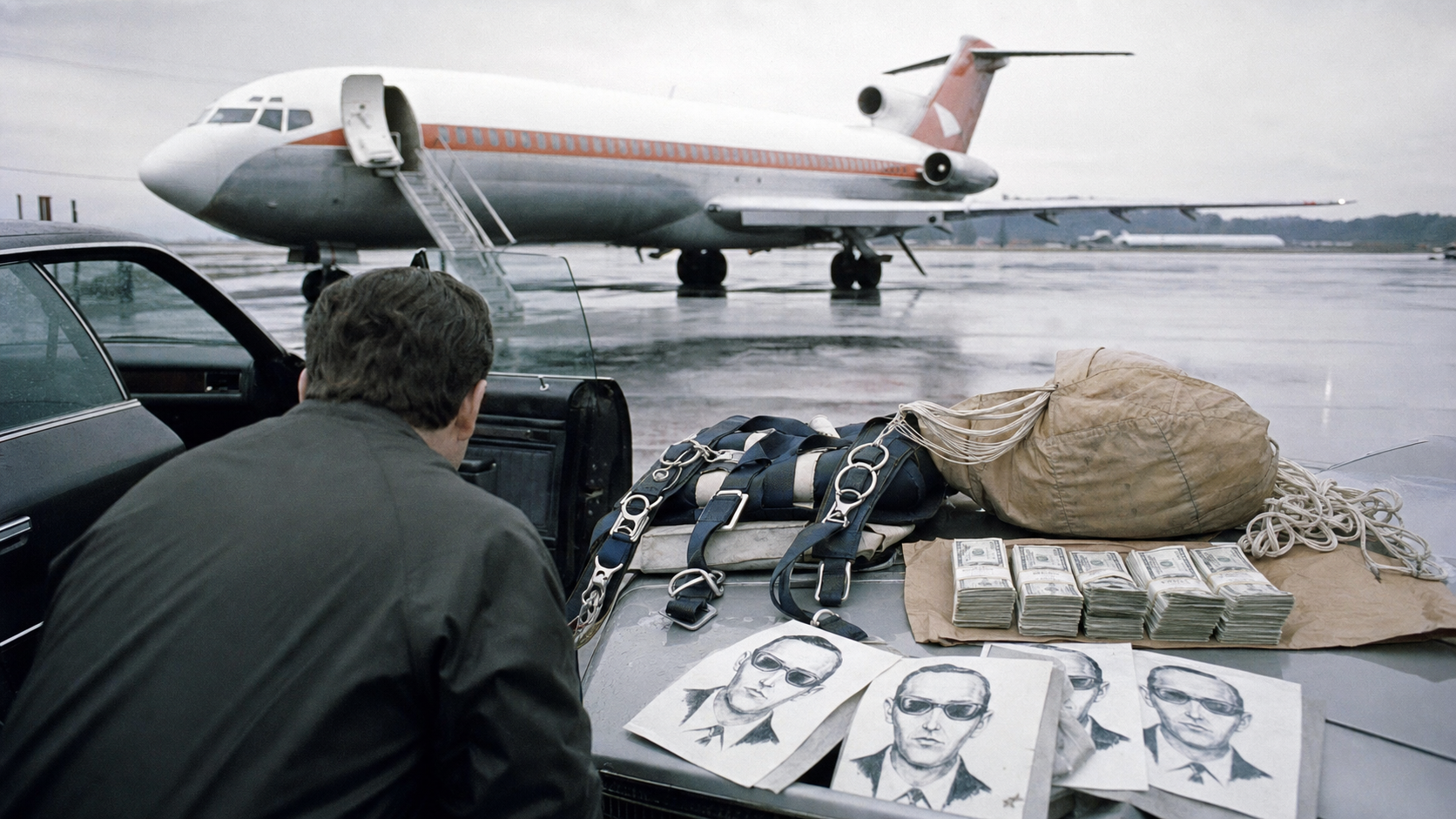
▲ Cover of the incident – Unfolding the records
The day before Thanksgiving in 1971, a man hijacked an airliner, received a ransom and a parachute, and then disappeared into the night sky. Neither identity nor life or death has been confirmed.
D.B. Cooper's case remains more a result of the last bit of evidence being cut off than the audacity of the plan. The jump is confirmed, but the landing is still outside the record.
Prologue: The night that broke records
When I laid out the case data on my desk, the first thing I noticed was not the correct answer but an imbalance. Some scenes were overly clear, and some time periods were completely blank. People try to explain the entire incident by focusing on one clear scene, but I instead marked the blank section first. Mysteries can arise because there are many clues, but they can also arise because the distance between clues is too great.
He boarded Northwest Orient Flight 305 from Portland to Seattle under the name ‘Dan Cooper.’ During the press release, D.B. The name Cooper stuck.
I did not view this incident as confirming an already known conclusion. The records were arranged chronologically, the movement paths of objects were drawn separately, and sightings and interpretations were indicated in different colors. The most popular explanations were then deliberately reviewed last. Because when you first read a famous hypothesis, all the clues seem to exist for that hypothesis.
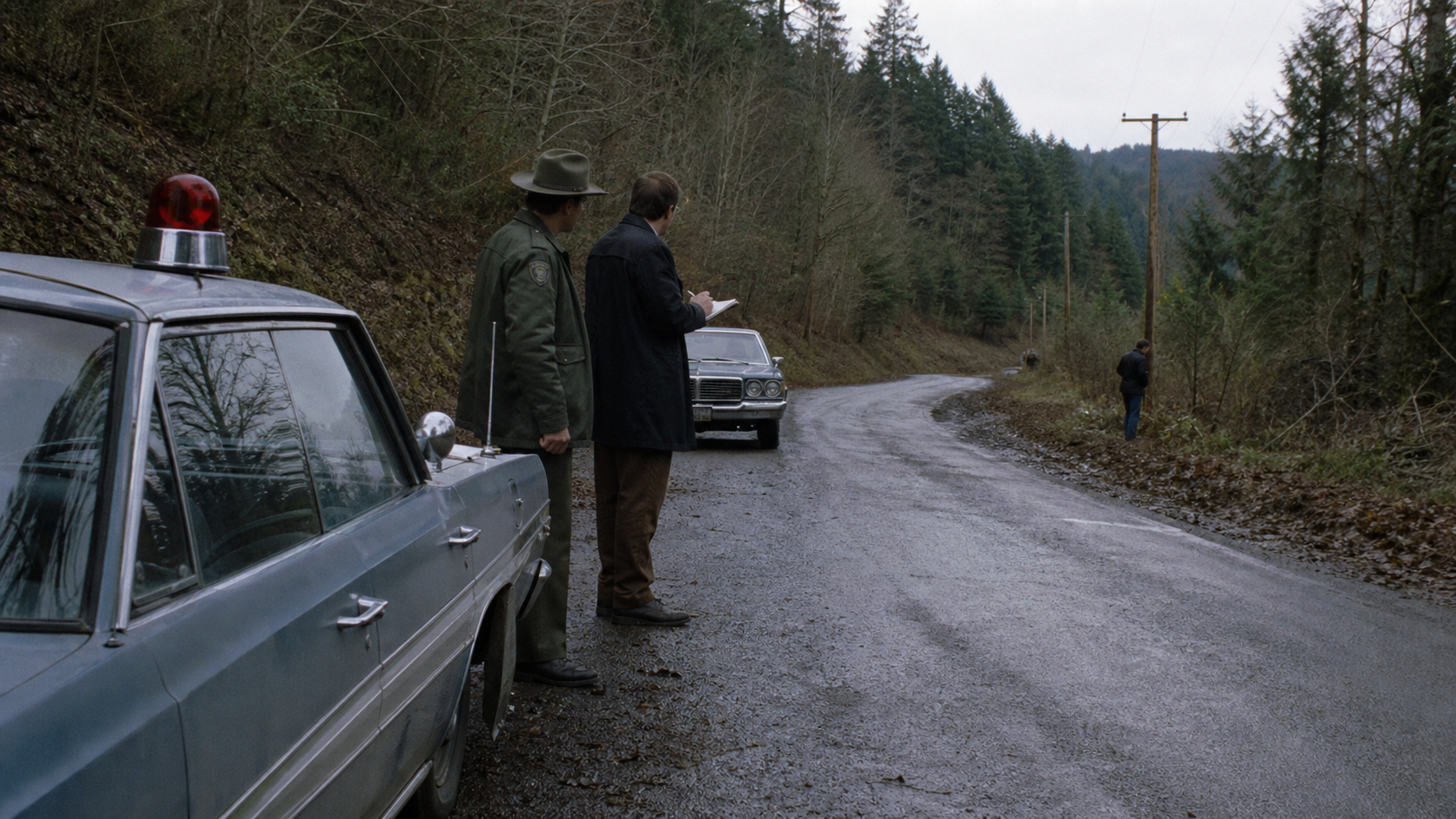
▲ On-site reconstruction — last confirmed movement route
Case Files: What I Could Believe
| number | confirmed record | current reliability |
|---|---|---|
| 1 | Cooper showed the crew an object that looked like a bomb and demanded $200,000 and four parachutes. | high |
| 2 | After sending out the passengers, the aircraft took off again, and it was investigated that he jumped mid-flight through the rear stairs of the Boeing 727. | high |
| 3 | In 1980, $5,800 matching the ransom note's serial number was found near the Columbia River. | middle |
| 4 | The FBI actively diverted investigative resources to other cases in 2016, but no identities were revealed. | middle |
What remains to be seen is whether he succeeded in landing, how the money ended up in the river, his level of knowledge about flying and parachuting, and what his real name is.
The sentence ‘It is not explained’ is not the same as the sentence ‘It is supernatural’ or ‘Someone intended it’. I didn't use the blank space as evidence.
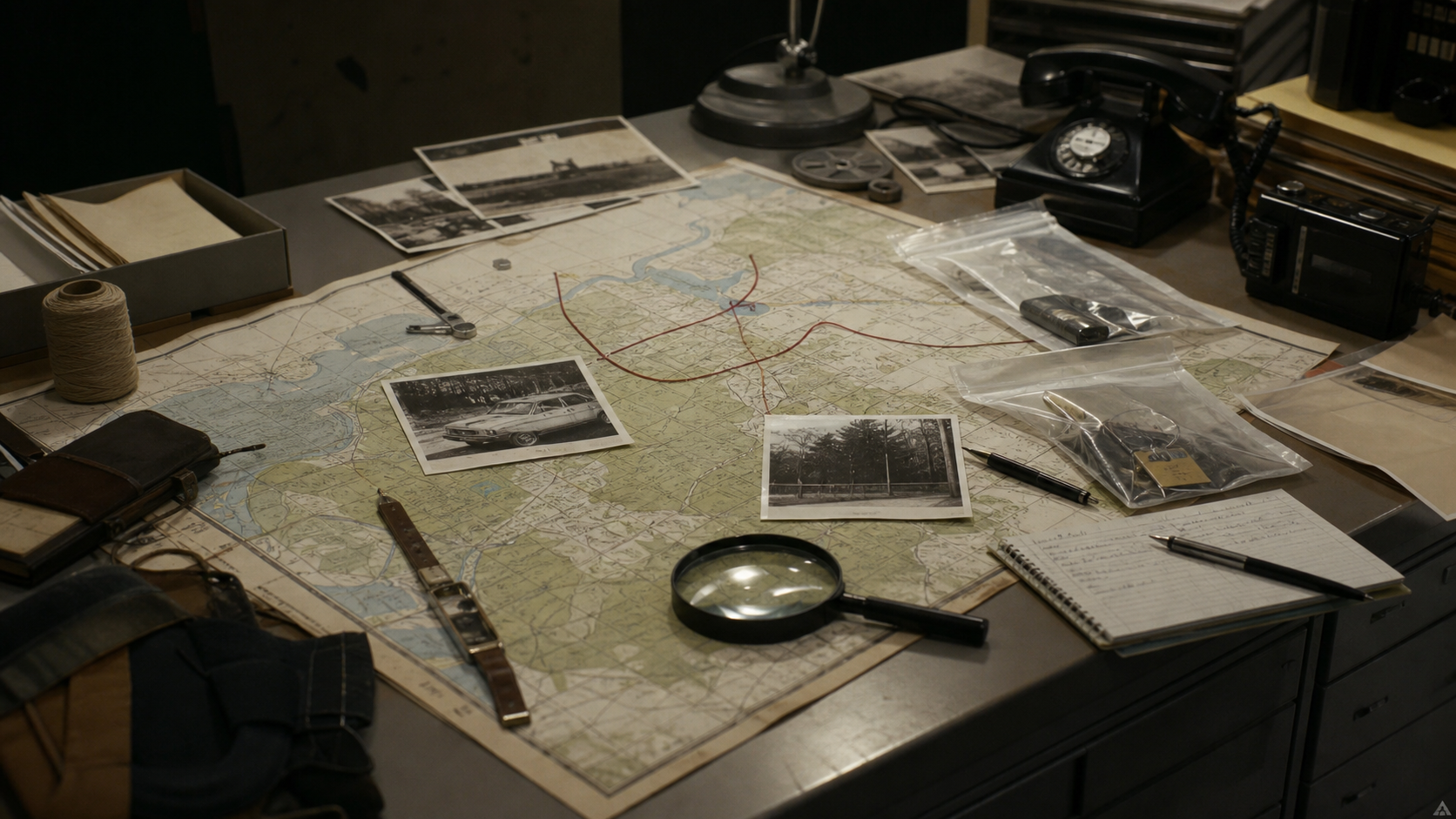
▲ Timeline – Flow before and after the event
Reconstructing the Scene: Finally, a Certain Point
I changed the location where the incident took place to the actual route rather than the stage in my head. We divided the starting point, final confirmation point, and discovery location and calculated the time needed in between. In the process, several later dramatic depictions were omitted. Instead, the recorded sounds, weather, means of transportation, and locations of objects came to the fore. The novelistic atmosphere arose from the very texture of the facts. There was no need to add unidentified secret passageways or nameless accomplices.
When reconstructing the last scene, I did not determine the character's feelings. The same behavior can be caused by fear, planning, mistake, or fatigue. So, I wrote down the actions first and left the emotions to the extent possible. Thanks to this principle, events became less flashy but more concrete.
Clue 1. Cooper showed the crew an object that looked like a bomb and demanded $200,000 and four parachutes.
I placed this sentence in the middle of the case record and checked the tense first. It was differentiated from who observed it and when, and whether it was written down on the spot or added from memory later. The older the clues to an unsolved case, the more seamless the story becomes. However, what is needed in an investigation is not smoothness but provenance. The moment I discerned whether this clue was a direct observation, a trace left by an object, or someone's interpretation, the outline of the incident changed.
If we leave out this clue, a one-way conclusion seems very plausible. But I immediately tried it against the next record: “After ejecting the passenger, the aircraft was re-launched and it was determined that he jumped mid-flight through the rear stairs of a Boeing 727.” If the two do not naturally coexist in the same explanation, the explanation is still just a story. In particular, a hypothesis that does not pass the question “Which does the $5,800 discovered give more weight to, success or failure?” will ignore the rest of the record instead of explaining one clue.
So I created three spaces in my case notes. The first is a confirmed fact, the second is an inference that goes one step further from the facts, and the third is a possibility that cannot be selected without additional evidence. This clue is a mixture of parts that are close to the first space and parts that stay in the second space. I didn't erase that boundary. Leaving boundaries is the only way to modify your reasoning later when new records emerge.
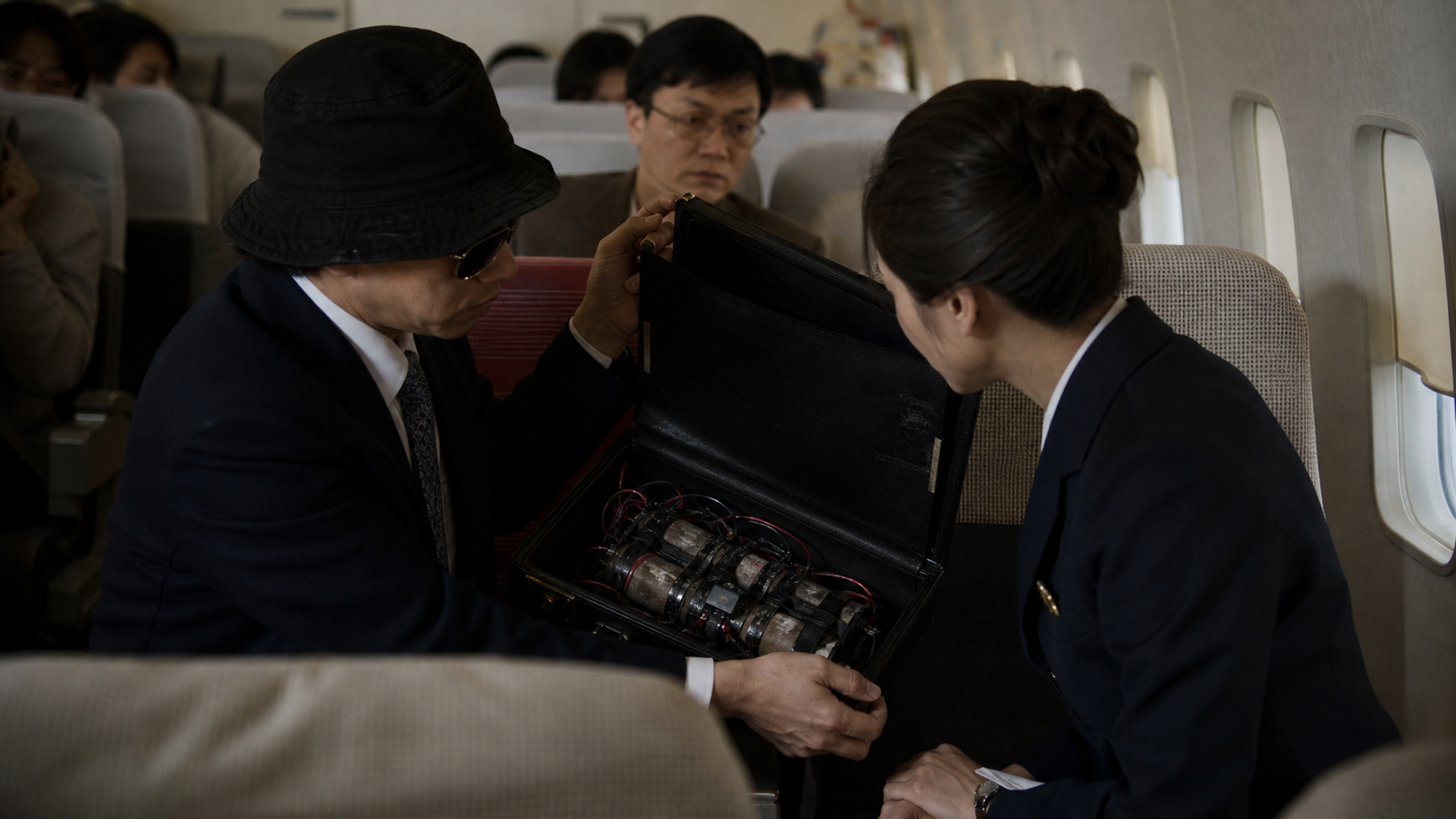
▲ Key Clue 1 — Traces left by records
Clue 2. After sending out the passengers, the aircraft took off again, and it was found that he jumped mid-flight through the rear stairs of the Boeing 727.
I placed this sentence in the middle of the case record and checked the tense first. It was differentiated from who observed it and when, and whether it was written down on the spot or added from memory later. The older the clues to an unsolved case, the more seamless the story becomes. However, what is needed in an investigation is not smoothness but provenance. The moment I discerned whether this clue was a direct observation, a trace left by an object, or someone's interpretation, the outline of the incident changed.
If we leave out this clue, a one-way conclusion seems very plausible. But I immediately tried the next record: “$5,800 matching ransom note serial number found near Columbia River in 1980.” If the two do not naturally coexist in the same explanation, the explanation is still just a story. In particular, a hypothesis that does not pass the question “Does parachute selection show expertise or is it a sign of limited knowledge?” ends up ignoring the rest of the record instead of explaining one clue.
So I created three spaces in my case notes. The first is a confirmed fact, the second is an inference that goes one step further from the facts, and the third is a possibility that cannot be selected without additional evidence. This clue is a mixture of parts that are close to the first space and parts that stay in the second space. I didn't erase that boundary. Leaving boundaries is the only way to modify your reasoning later when new records emerge.
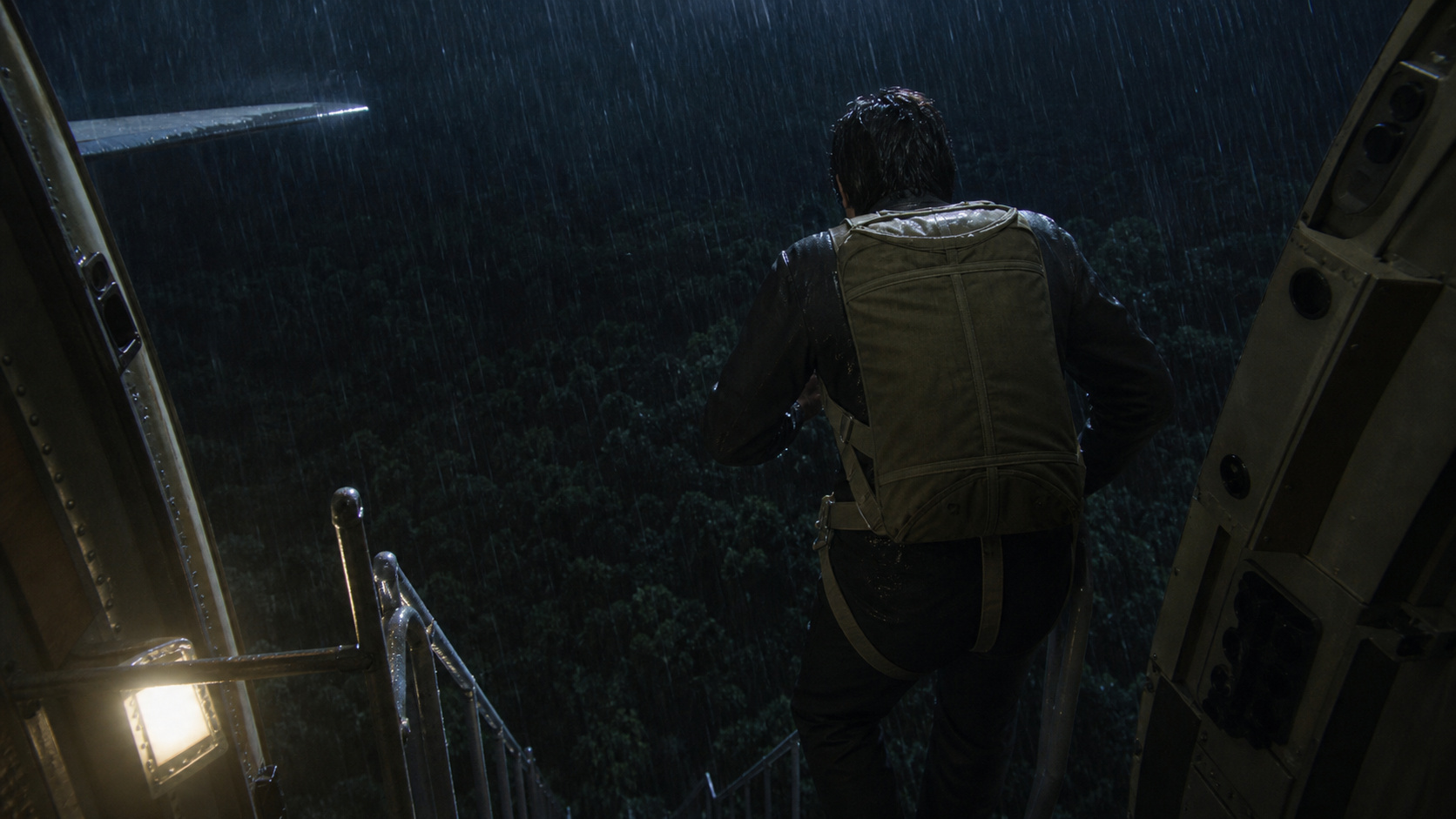
▲ Key Clue 2 — Pieces that do not fit together
Clue 3. In 1980, $5,800 matching the ransom note's serial number was found near the Columbia River.
I placed this sentence in the middle of the case record and checked the tense first. It was differentiated from who observed it and when, and whether it was written down on the spot or added from memory later. The older the clues to an unsolved case, the more seamless the story becomes. However, what is needed in an investigation is not smoothness but provenance. The moment I discerned whether this clue was a direct observation, a trace left by an object, or someone's interpretation, the outline of the incident changed.
If we leave out this clue, a one-way conclusion seems very plausible. But I immediately confronted the next record: “FBI actively diverted investigative resources to other cases in 2016, but no identities were revealed.” If the two do not naturally coexist in the same explanation, the explanation is still just a story. In particular, a hypothesis that does not pass the question “If Cooper survived, why didn’t most of the ransom money circulate?” ends up ignoring the rest of the record instead of explaining one clue.
So I created three spaces in my case notes. The first is a confirmed fact, the second is an inference that goes one step further from the facts, and the third is a possibility that cannot be selected without additional evidence. This clue is a mixture of parts that are close to the first space and parts that stay in the second space. I didn't erase that boundary. Leaving boundaries is the only way to modify your reasoning later when new records emerge.
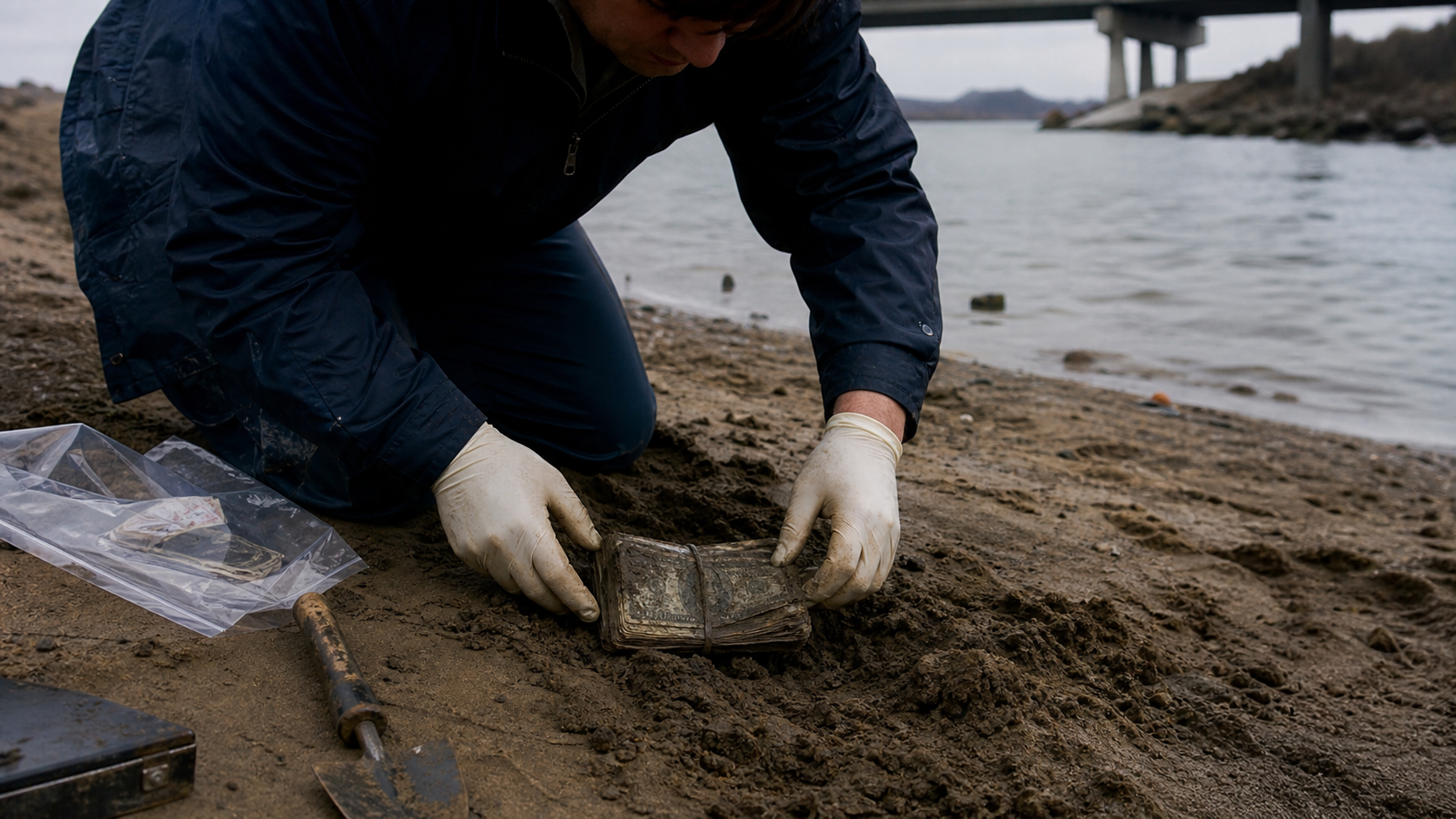
▲ Key Clue 3 — Evidence that shakes the hypothesis
Clue 4. The FBI actively diverted investigative resources to other cases in 2016, but no identities were revealed.
I placed this sentence in the middle of the case record and checked the tense first. It was differentiated from who observed it and when, and whether it was written down on the spot or added from memory later. The older the clues to an unsolved case, the more seamless the story becomes. However, what is needed in an investigation is not smoothness but provenance. The moment I discerned whether this clue was a direct observation, a trace left by an object, or someone's interpretation, the outline of the incident changed.
If we leave out this clue, a one-way conclusion seems very plausible. But I immediately tried it against the next record: “Cooper showed the crew an object that looked like a bomb and demanded $200,000 and four parachutes.” If the two do not naturally coexist in the same explanation, the explanation is still just a story. In particular, a hypothesis that does not pass the question “Which does the $5,800 discovered give more weight to, success or failure?” will ignore the rest of the record instead of explaining one clue.
So I created three spaces in my case notes. The first is a confirmed fact, the second is an inference that goes one step further from the facts, and the third is a possibility that cannot be selected without additional evidence. This clue is a mixture of parts that are close to the first space and parts that stay in the second space. I didn't erase that boundary. Leaving boundaries is the only way to modify your reasoning later when new records emerge.
put three hypotheses on the same scale
Hypotheses were not evaluated in fancy sentences. We wrote down the number of explanatory clues, the number of new assumptions required, and the degree to which they can withstand contrary evidence. Even if one clue is completely explained, if the remaining three clues have to be discarded, it is not a good hypothesis.
Hypothesis A. Explanation that death occurred during the fall due to adverse weather and equipment conditions.
The beauty of this explanation is that it makes relatively few assumptions about the clue: “Cooper showed the crew an object that looked like a bomb and demanded $200,000 and four parachutes.” I first assumed that this hypothesis was true and re-traced the event from beginning to end. Each sentence linked where and what the character saw, what judgment he made, and then moved to the next location. There was always a hidden assumption at the point where the connection was lost.
The biggest weakness is that it does not sufficiently explain “In 1980, $5,800 matching the serial number of the ransom note was found near the Columbia River.” If you keep adding exceptions to your hypothesis, you can explain anything, but such an explanation predicts nothing. I lowered the score of the hypothesis the moment there were more than two exceptions. Conversely, scores were increased only when two independent clues pointed in the same direction.
In the end, this hypothesis cannot be completely discarded, but it cannot be taken as a conclusion either. If you read the incident like a novel, the blank spaces will be filled in naturally. If you read it like an investigation record, the blank spaces remain. I chose the latter. Even if the blank space left is inconvenient, that inconvenience protects the scope of what the evidence can say.
Hypothesis B. Explanation that he succeeded in landing and lived while hiding his identity.
The advantage of this explanation is that it makes relatively few assumptions as to the following proviso: “After ejecting the passenger, the aircraft was re-taken off, and it was determined that he jumped mid-flight through the rear stairs of the Boeing 727.” I first assumed that this hypothesis was true and re-traced the event from beginning to end. Each sentence linked where and what the character saw, what judgment he made, and then moved to the next location. There was always a hidden assumption at the point where the connection was lost.
The biggest weakness is that it does not sufficiently explain that “the FBI actively diverted investigative resources to other cases in 2016, but no identities were revealed.” If you keep adding exceptions to your hypothesis, you can explain anything, but such an explanation predicts nothing. I lowered the score of the hypothesis the moment there were more than two exceptions. Conversely, scores were increased only when two independent clues pointed in the same direction.
In the end, this hypothesis cannot be completely discarded, but it cannot be taken as a conclusion either. If you read the incident like a novel, the blank spaces will be filled in naturally. If you read it like an investigation record, the blank spaces remain. I chose the latter. Even if the blank space left is inconvenient, that inconvenience protects the scope of what the evidence can say.
Hypothesis C. Explanation that the discovered money went through a separate movement process unrelated to its survival.
The beauty of this explanation is that it makes relatively few assumptions about the clue: “In 1980, $5,800 matching the ransom note’s serial number was found near the Columbia River.” I first assumed that this hypothesis was true and re-traced the event from beginning to end. Each sentence linked where and what the character saw, what judgment he made, and then moved to the next location. There was always a hidden assumption at the point where the connection was lost.
The biggest weakness is that it doesn't fully explain "Cooper showed the crew an object that looked like a bomb and demanded $200,000 and four parachutes." If you keep adding exceptions to your hypothesis, you can explain anything, but such an explanation predicts nothing. I lowered the score of the hypothesis the moment there were more than two exceptions. Conversely, scores were increased only when two independent clues pointed in the same direction.
In the end, this hypothesis cannot be completely discarded, but it cannot be taken as a conclusion either. If you read the incident like a novel, the blank spaces will be filled in naturally. If you read it like an investigation record, the blank spaces remain. I chose the latter. Even if the blank space left is inconvenient, that inconvenience protects the scope of what the evidence can say.
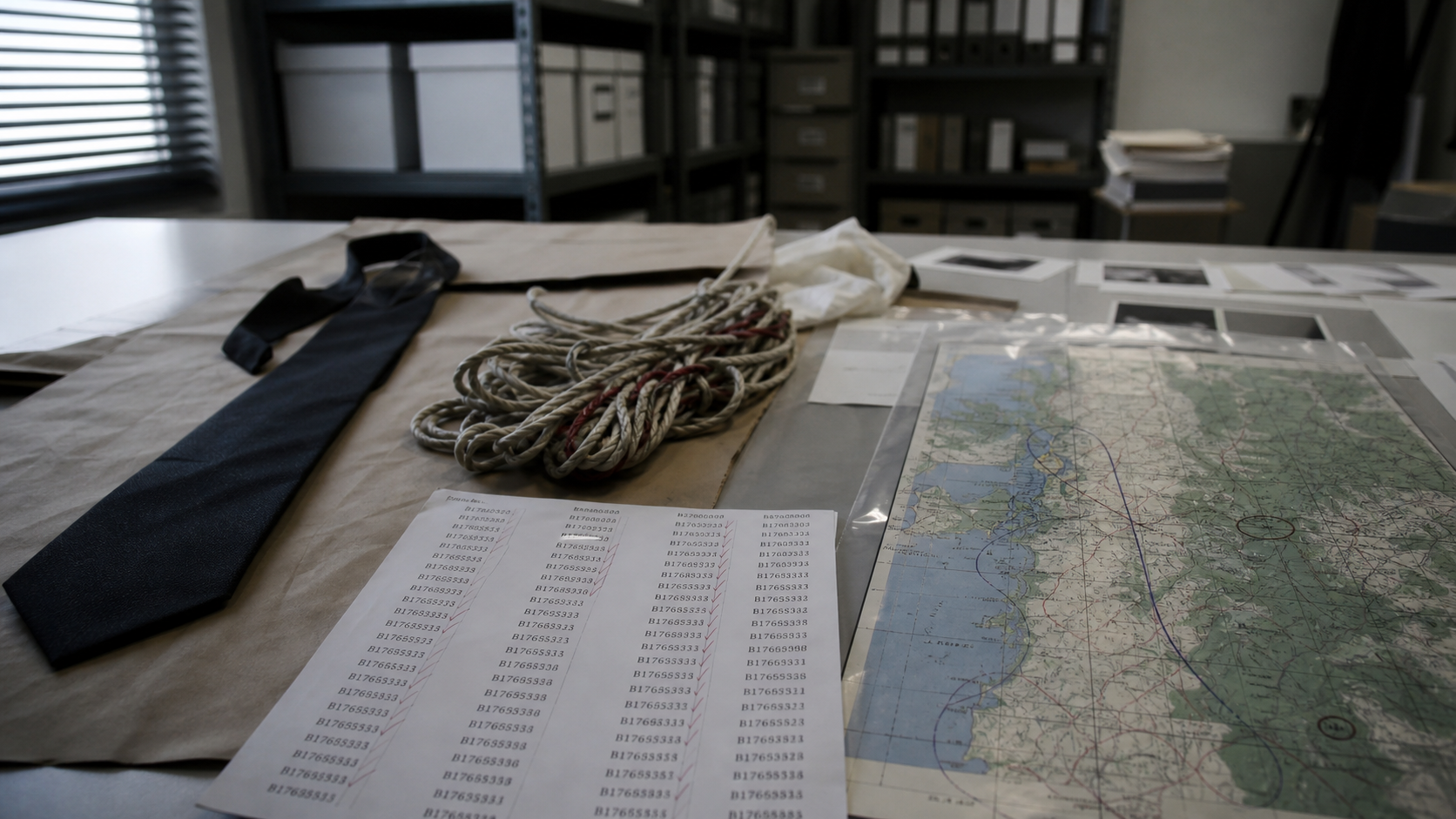
▲ Comparison of hypotheses – explanatory power and gaps
Conclusions I threw away
When I began my investigation, I too was drawn to the most popular explanation. It summed up events in one sentence and gave intention to every object. But when the data was collated, the explanation required a new coincidence for every blank space. I erased that conclusion and started again. Good reasoning is less about adding things and more about removing unnecessary assumptions.
Survival cannot be determined solely by the fact that you did not spend money. There was no definitive discovery of the body or parachute, and the candidate theories did not fully satisfy eyewitness descriptions and accounts.
In particular, details repeated in later testimonies and on the Internet were separated from the original records. Just because the same sentence appears in multiple places does not mean there are multiple independent sources. First, we checked the possibility that a single incorrect sentence was duplicated. After going through this process, the size of the case decreased, but the weight of the remaining clues actually increased.
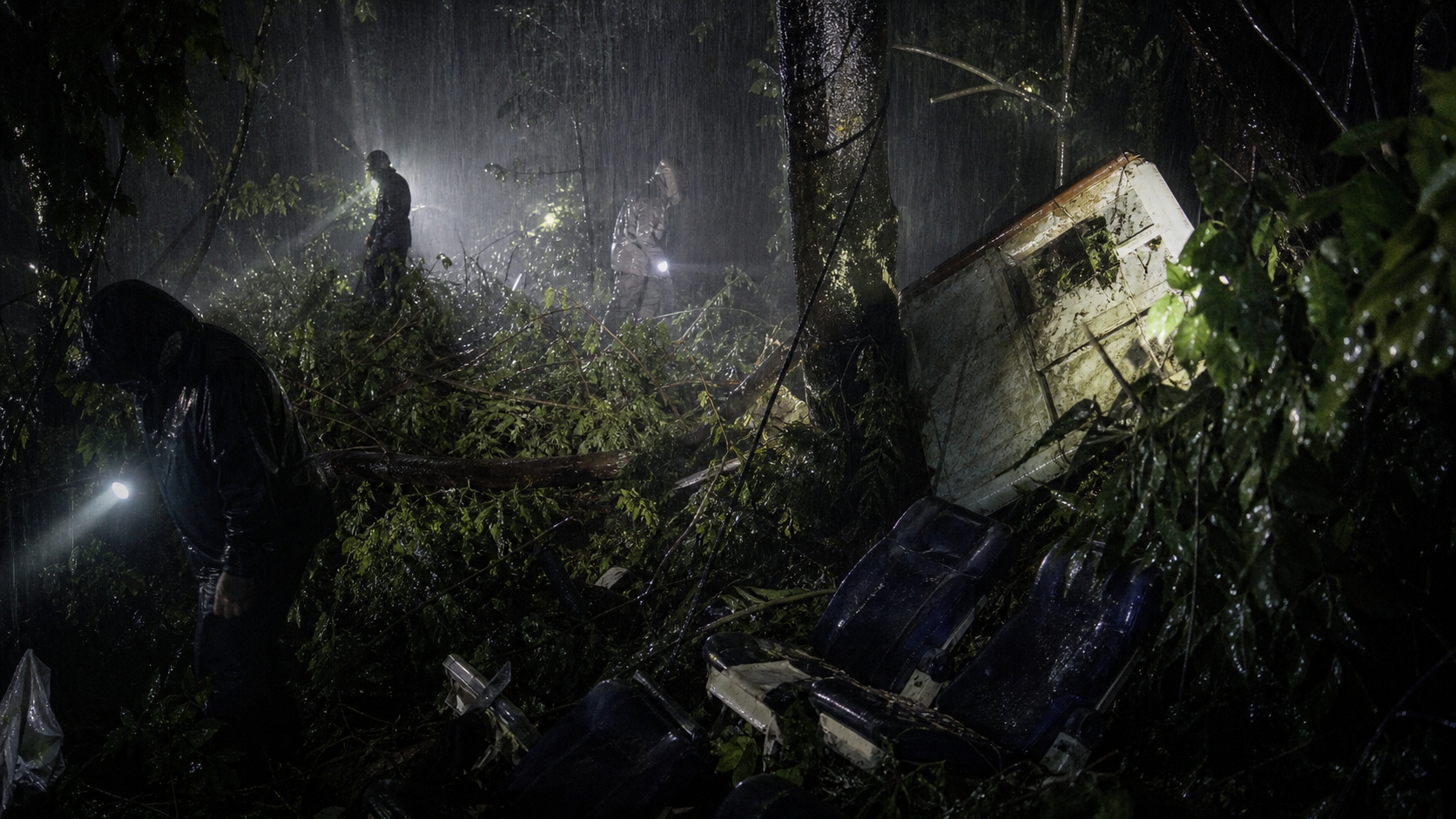
▲ Counterevidence check — the conclusion I discarded
Final Reason: What I arrived at
D.B. Cooper's case remains more a result of the last bit of evidence being cut off than the audacity of the plan. The jump is confirmed, but the landing is still outside the record.
This conclusion is not a completely definitive ruling. This is a direction that requires the fewest assumptions and simultaneously explains the most clues within the currently available records. It may be revised as new physical evidence emerges. However, it is also clear that the conclusion may change depending on what comes out. Reliable original records, verifiable forensic data, and independent evidence directly linking objects and people are needed.
I do not write that the case is closed. Instead, write down how far you can close it. That boundary is the result of this investigation. The fun of mystery is not that anything is possible. The goal is to find out which of the possible explanations can be discarded.
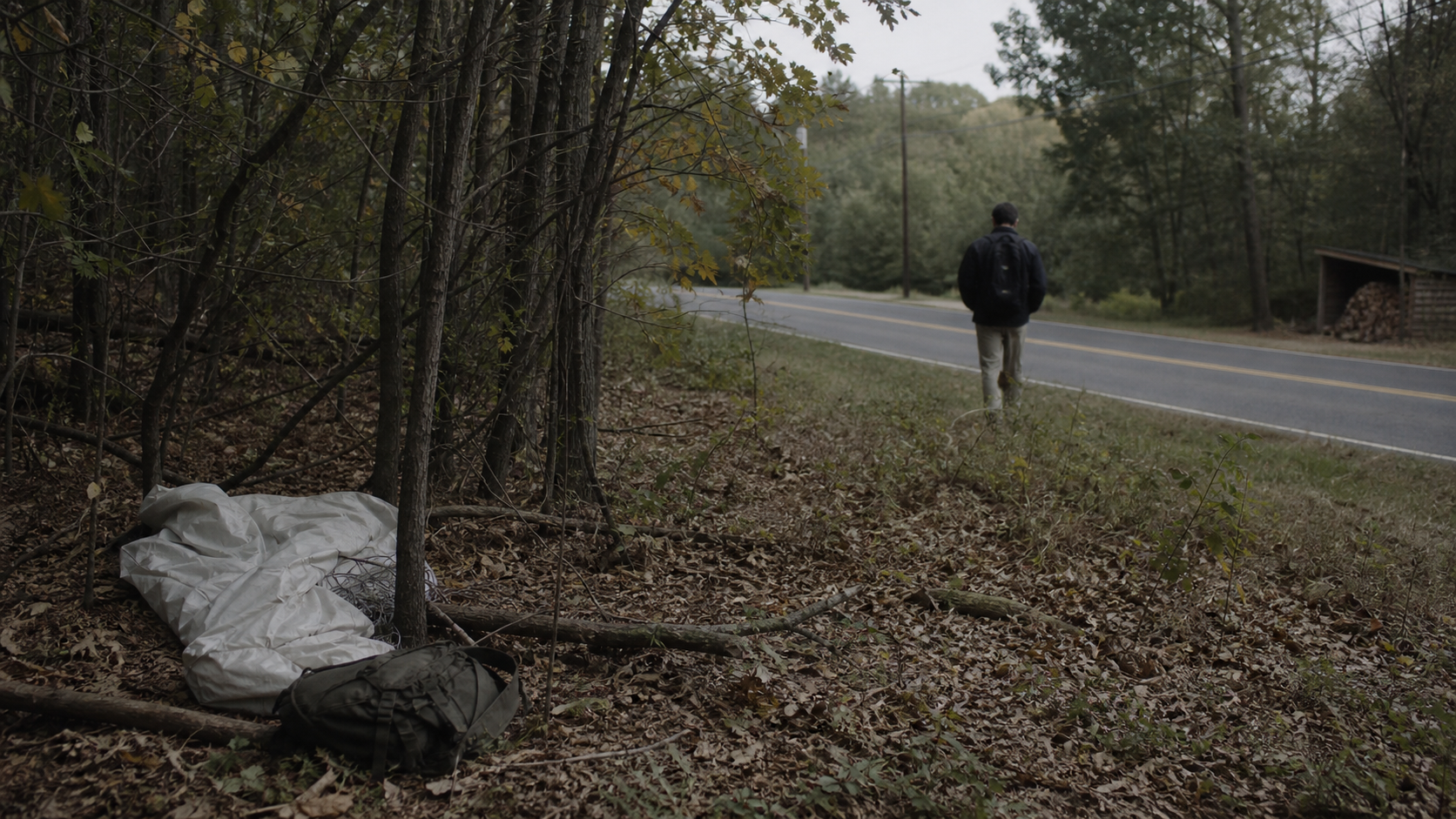
▲ Final judgment – explanation that requires the fewest assumptions
Additional Investigation Records 1. Redraw the timeline
At dawn, I opened the case sheet again. This time, the conclusion was obscured, leaving only the following record: “Cooper showed the crew an object that looked like a bomb and demanded $200,000 and four parachutes.” Even events you thought you already knew reveal a completely different picture if you erase the conclusion. I lined up the locations and times and wrote down the minimum travel time. The gaps between records were not filled by imagination but were marked with empty squares. As the square grew, the reliability of the hypothesis explaining that section decreased.
Above that, I posted the hypothesis, “The explanation is that he died during the fall due to bad weather and equipment conditions.” At first everything seemed to fall into place. However, a weak point in the explanation was revealed when asked, “Which does the $5,800 found give more weight to: success or failure?” Hypotheses must withstand questioning. If you keep bringing in new characters or coincidences to avoid questions, from that moment on, it becomes creation rather than reasoning. I used my creative sense only for the mood of the sentence and did not place it in the place of facts.
The results I got from this section are neither a definitive name for the culprit nor a complete decipherment. Instead, it became clear which explanations required fewer assumptions and which ones flipped when new discoveries were made. Even if the case cannot be closed, it is possible to narrow the scope of the investigation. This record is intended to leave behind that narrowed boundary.
Additional investigation record 2. The missing link
At dawn, I opened the case sheet again. This time, the conclusion was obscured and the only record was, “After sending the passenger out, the aircraft took off again, and it was investigated that he jumped mid-flight through the rear stairs of the Boeing 727.” Even events you thought you already knew reveal a completely different picture if you erase the conclusion. I lined up the locations and times and wrote down the minimum travel time. The gaps between records were not filled by imagination but were marked with empty squares. As the square grew, the reliability of the hypothesis explaining that section decreased.
Above that, I put up the hypothesis, “The explanation is that he succeeded in landing and lived while hiding his identity.” At first everything seemed to fall into place. However, a weak point in the explanation was revealed when we asked the question, “Is parachute selection a sign of expertise or limited knowledge?” Hypotheses must withstand questioning. If you keep bringing in new characters or coincidences to avoid questions, from that moment on, it becomes creation rather than reasoning. I used my creative sense only for the mood of the sentence and did not place it in the place of facts.
The results I got from this section are neither a definitive name for the culprit nor a complete decipherment. Instead, it became clear which explanations required fewer assumptions and which ones flipped when new discoveries were made. Even if the case cannot be closed, it is possible to narrow the scope of the investigation. This record is intended to leave behind that narrowed boundary.
Additional investigation records 3. Witness distance
At dawn, I opened the case sheet again. This time, the conclusion was obscured, leaving only the record, “In 1980, $5,800 matching the ransom serial number was discovered near the Columbia River.” Even events you thought you already knew reveal a completely different picture if you erase the conclusion. I lined up the locations and times and wrote down the minimum travel time. The gaps between records were not filled by imagination but were marked with empty squares. As the square grew, the reliability of the hypothesis explaining that section decreased.
Above that, I put up a hypothesis that “an explanation is that the discovered money went through a separate movement process unrelated to its survival.” At first everything seemed to fall into place. However, when we asked the question, “If Cooper survived, why didn’t most of the ransom money circulate?” a weak part of the explanation was revealed. Hypotheses must withstand questioning. If you keep bringing in new characters or coincidences to avoid questions, from that moment on, it becomes creation rather than reasoning. I used my creative sense only for the mood of the sentence and did not place it in the place of facts.
The results I got from this section are neither a definitive name for the culprit nor a complete decipherment. Instead, it became clear which explanations required fewer assumptions and which ones flipped when new discoveries were made. Even if the case cannot be closed, it is possible to narrow the scope of the investigation. This record is intended to leave behind that narrowed boundary.
Additional investigation record 4. The path the object took
At dawn, I opened the case sheet again. This time, the conclusion was obscured, leaving only the record, “The FBI actively diverted investigative resources to other cases in 2016, but no identities were revealed.” Even events you thought you already knew reveal a completely different picture if you erase the conclusion. I lined up the locations and times and wrote down the minimum travel time. The gaps between records were not filled by imagination but were marked with empty squares. As the square grew, the reliability of the hypothesis explaining that section decreased.
Above that, I posted the hypothesis, “The explanation is that he died during the fall due to bad weather and equipment conditions.” At first everything seemed to fall into place. However, a weak point in the explanation was revealed when asked, “Which does the $5,800 found give more weight to: success or failure?” Hypotheses must withstand questioning. If you keep bringing in new characters or coincidences to avoid questions, from that moment on, it becomes creation rather than reasoning. I used my creative sense only for the mood of the sentence and did not place it in the place of facts.
The results I got from this section are neither a definitive name for the culprit nor a complete decipherment. Instead, it became clear which explanations required fewer assumptions and which ones flipped when new discoveries were made. Even if the case cannot be closed, it is possible to narrow the scope of the investigation. This record is intended to leave behind that narrowed boundary.
Additional investigation records 5. Temptation of false clues
At dawn, I opened the case sheet again. This time, the conclusion was obscured, leaving only the following record: “Cooper showed the crew an object that looked like a bomb and demanded $200,000 and four parachutes.” Even events you thought you already knew reveal a completely different picture if you erase the conclusion. I lined up the locations and times and wrote down the minimum travel time. The gaps between records were not filled by imagination but were marked with empty squares. As the square grew, the reliability of the hypothesis explaining that section decreased.
Above that, I put up the hypothesis, “The explanation is that he succeeded in landing and lived while hiding his identity.” At first everything seemed to fall into place. However, a weak point in the explanation was revealed when we asked the question, “Is parachute selection a sign of expertise or limited knowledge?” Hypotheses must withstand questioning. If you keep bringing in new characters or coincidences to avoid questions, from that moment on, it becomes creation rather than reasoning. I used my creative sense only for the mood of the sentence and did not place it in the place of facts.
The results I got from this section are neither a definitive name for the culprit nor a complete decipherment. Instead, it became clear which explanations required fewer assumptions and which ones flipped when new discoveries were made. Even if the case cannot be closed, it is possible to narrow the scope of the investigation. This record is intended to leave behind that narrowed boundary.
▲ End of investigation record — Questions still remaining
· U.S. National Archives — D.B. Cooper
※ This article is a commentary in the form of a personal investigation record based on public records and reliable data. We distinguish between facts and inferences, and we update our judgments when new official announcements are made.