Zodiac Z340
Why Decryption and Identification Are Different

▲ Case Cover — Opening the Records
The 340-character cipher sent to the newspaper in 1969 was solved in 2020 by a private research team. The decryption was reviewed by the FBI, but the plaintext did not reveal the criminal's real name.
Z340 was solved, but the Zodiac remained. Turning a cipher into plaintext and identifying a person are separate evidence issues.
Prologue: The Night I Opened the Records
When I spread out the case materials on my desk, the first thing that caught my eye wasn’t the answer, but the imbalance. Some scenes were overly clear, while some time periods were completely empty. People tend to grab onto a clear scene and try to explain the whole case, but I marked empty sections first. Mysteries can come from having too many clues, but they can also come from the spaces between clues being too wide.
The cipher consisted of 17 columns and 20 rows of symbols. David Oranchak, Sam Blake, and Jarl Van Eycke reconstructed the plaintext by combining transpositions and homophonic substitutions.
I didn’t see this case as a task of confirming an already known ending. I arranged the records chronologically, mapped the movement of objects separately, and marked witness accounts and interpretations with different colors. Then I intentionally reviewed the most famous explanations last. If you read the famous hypotheses first, all the clues seem like they exist just for that hypothesis.
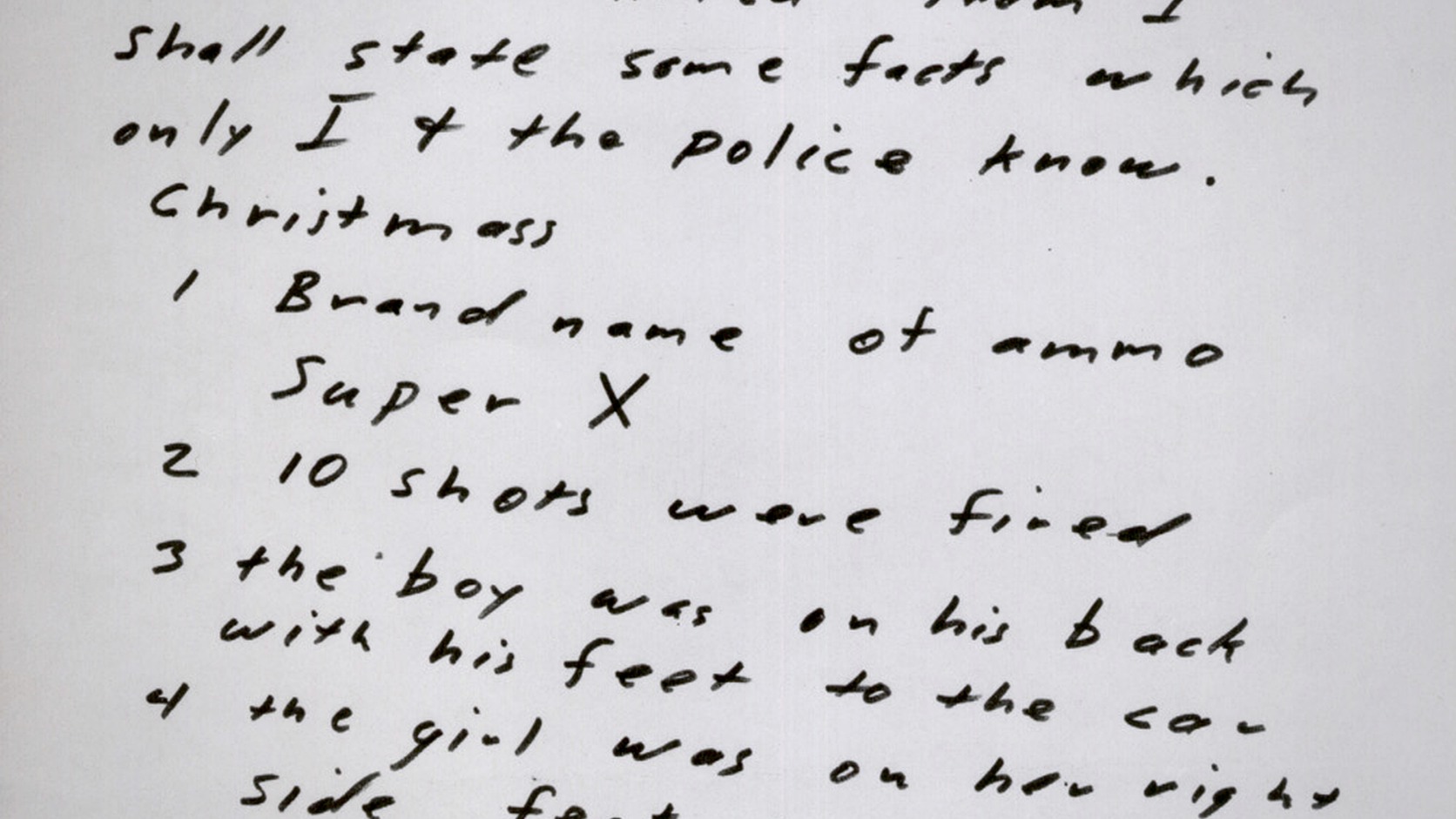
▲ Scene Reconstruction — Last Confirmed Movements
Case File: What I Could Trust
| Number | Verified Records | Current Reliability |
|---|---|---|
| 1 | Z340 was sent to the San Francisco Chronicle in November 1969. | High |
| 2 | The solution uses transposition close to diagonal movement and substitution where multiple symbols represent the same letter. | High |
| 3 | The plaintext mentions a broadcasting program at the time and a gas chamber but doesn’t give any names. | Medium |
| 4 | The solution was accepted because it reproduced the entire string and explained the location of errors. | Medium |
The real name of the cipher author, the scope of deliberate typos and errors, and the solutions to other short undeciphered ciphers remain.
The sentence 'was not explained' is not the same as 'it's supernatural' or 'someone did it on purpose.' I didn’t use blanks as evidence.
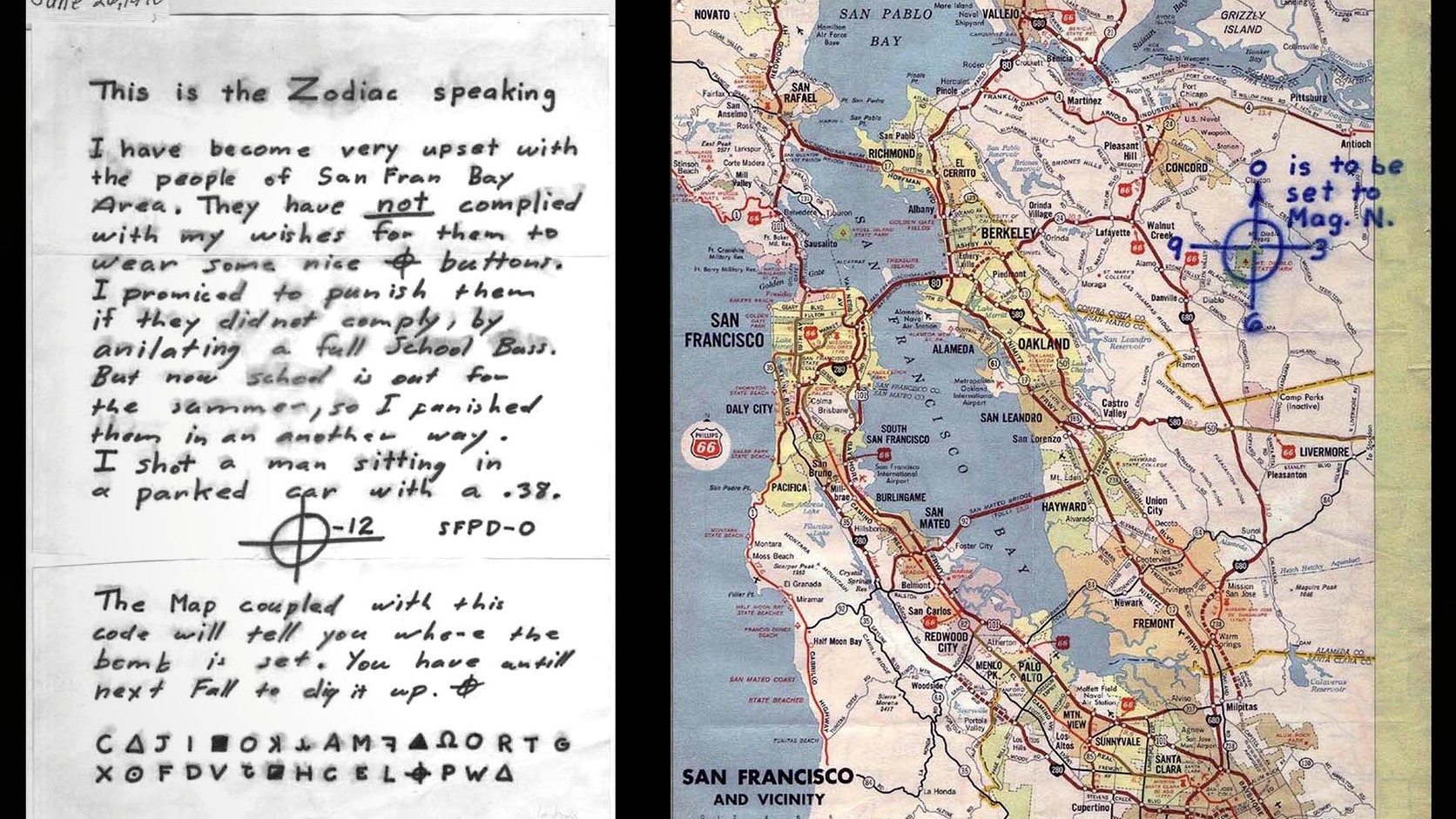
▲ Timeline — flow before and after the event
Scene Reconstruction: Last Certain Point
I changed the location where the event happened from a mental stage to an actual route. I divided the starting point, the last confirmed point, and the discovery location, and calculated the time needed in between. Some dramatic descriptions from later accounts were omitted. Instead, sounds, weather, means of transportation, and the positions of objects from the records came forward. The novelistic atmosphere came directly from the texture of these facts. There was no need to add secret passages that weren’t confirmed or unnamed accomplices.
When reconstructing the final scene, I didn’t assume the characters’ minds. The same actions could stem from fear, planning, mistakes, or fatigue. So I wrote the actions first and left emotions only as much as possible. Thanks to this principle, the event became less dramatic but more concrete.
Clue 1. Z340 was sent to the San Francisco Chronicle in November 1969.
I placed this sentence right in the middle of the case record and first checked the tense. I separated who observed it and when, whether it was written on the spot, or added later from memory. Clues in unsolved cases turn into smooth stories the older they get. But what you need in an investigation isn’t smoothness—it’s the source. The moment you distinguish whether a clue was directly observed, left by an object, or interpreted by someone, the outline of the case changes.
If you look at just this clue alone, a conclusion in one direction seems very plausible. But I immediately compared it with the next record: “The solution uses transpositions close to diagonal moves and substitutions where multiple symbols represent the same letter.” If the two can’t naturally coexist in the same explanation, then the explanation is still just a story. Particularly, any hypothesis that can’t get past the question, “How much error is acceptable for a proper decoding?” ends up ignoring the rest of the record instead of explaining even a single clue.
So I made three columns in my case notes. The first is verified facts, the second is inferences that go just one step beyond the facts, and the third is possibilities that can’t be chosen without additional evidence. This clue mixes parts that stay close to the first column with parts that remain in the second column. I didn’t erase that boundary. Leaving the boundary is the only way to adjust reasoning when new records appear later.

▲ Key Clue 1 — Traces Left by the Record
Clue 2. The solution uses transpositions close to diagonal moves and substitutions where multiple symbols represent the same letter.
I placed this sentence right in the middle of the case record and first checked the tense. I separated who observed it and when, whether it was written on the spot, or added later from memory. Clues in unsolved cases turn into smooth stories the older they get. But what you need in an investigation isn’t smoothness—it’s the source. The moment you distinguish whether a clue was directly observed, left by an object, or interpreted by someone, the outline of the case changes.
If you separate just this clue, a conclusion in one direction looks very plausible. But I immediately compared it with the next record: 'The plain text mentions the TV program and the gas chamber at the time but doesn’t give the name.' If they can’t naturally coexist in the same explanation, that explanation is still just a story. Especially, a hypothesis that cannot pass the question 'Is the plain text’s content directed more at public reaction than the criminal’s psychology?' ends up ignoring the other records while explaining only one clue.
So I made three columns in my case notes. The first is verified facts, the second is inferences that go just one step beyond the facts, and the third is possibilities that can’t be chosen without additional evidence. This clue mixes parts that stay close to the first column with parts that remain in the second column. I didn’t erase that boundary. Leaving the boundary is the only way to adjust reasoning when new records appear later.
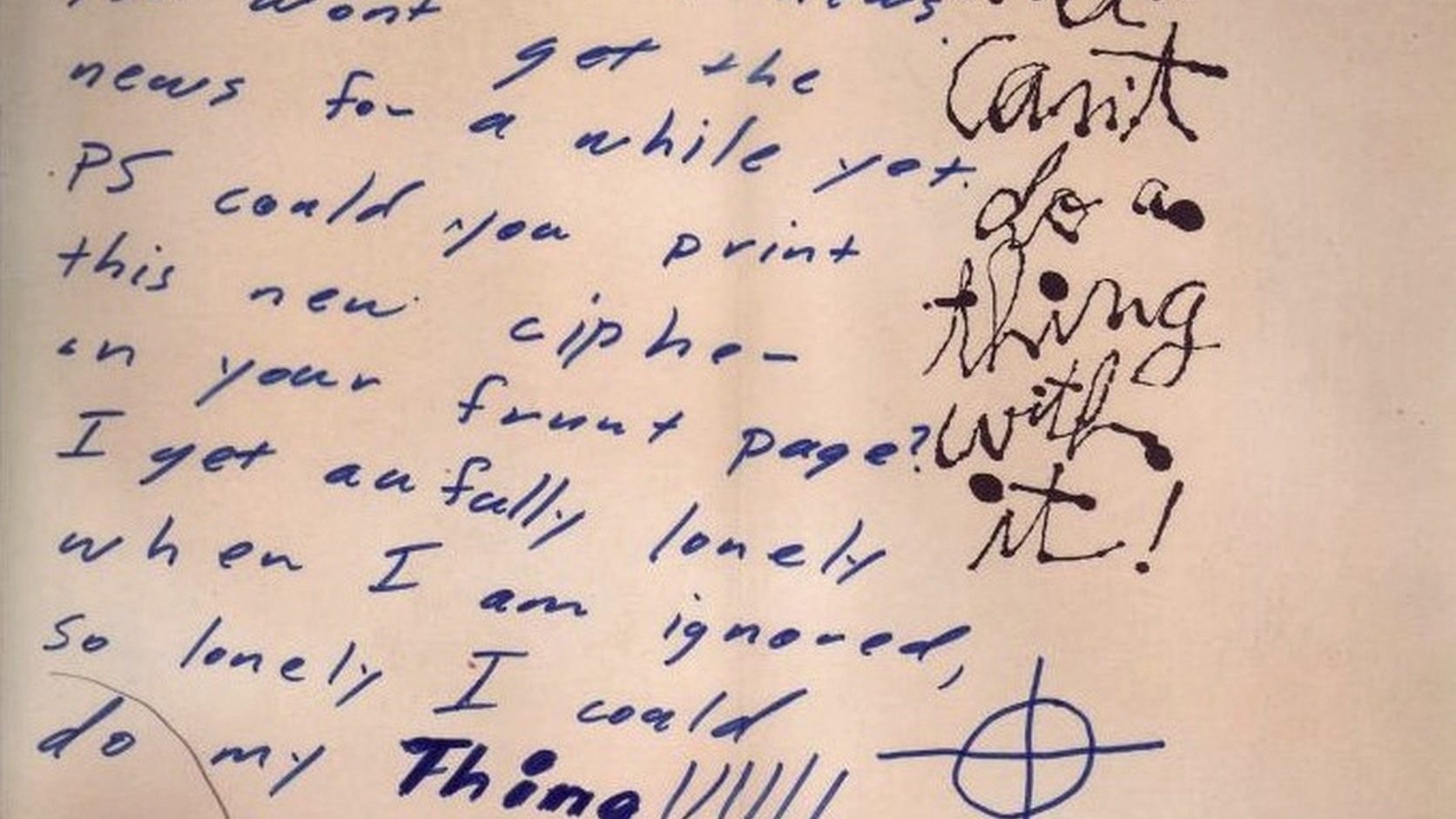
▲ Key Clue 2 — Pieces That Don’t Fit Together
Clue 3. The plain text mentions the TV program and the gas chamber at the time but doesn’t give the name.
I placed this sentence right in the middle of the case record and first checked the tense. I separated who observed it and when, whether it was written on the spot, or added later from memory. Clues in unsolved cases turn into smooth stories the older they get. But what you need in an investigation isn’t smoothness—it’s the source. The moment you distinguish whether a clue was directly observed, left by an object, or interpreted by someone, the outline of the case changes.
If you separate just this clue, a conclusion in one direction looks very plausible. But I immediately compared it with the next record: 'The solution was accepted because it reproduced the entire string and explained the error positions.' If they can’t naturally coexist in the same explanation, that explanation is still just a story. Especially, a hypothesis that cannot pass the question 'Could the same technique be applied to short ciphers like Z13 or Z32?' ends up ignoring the other records while explaining only one clue.
So I made three columns in my case notes. The first is verified facts, the second is inferences that go just one step beyond the facts, and the third is possibilities that can’t be chosen without additional evidence. This clue mixes parts that stay close to the first column with parts that remain in the second column. I didn’t erase that boundary. Leaving the boundary is the only way to adjust reasoning when new records appear later.
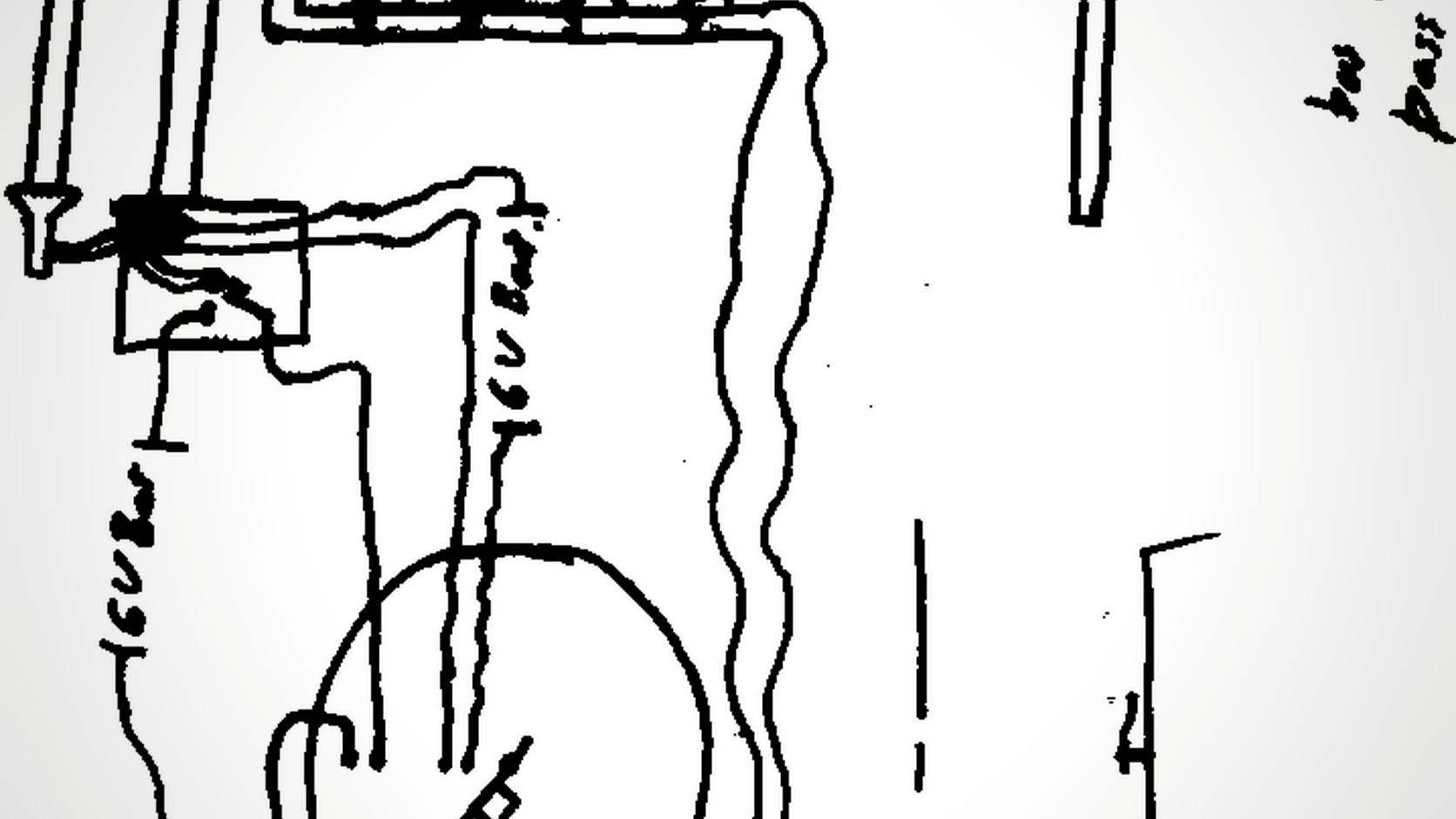
▲ Key Clue 3 — Evidence That Shakes the Hypothesis
Clue 4. The solution was accepted because it reproduced the entire string and explained the error positions.
I placed this sentence right in the middle of the case record and first checked the tense. I separated who observed it and when, whether it was written on the spot, or added later from memory. Clues in unsolved cases turn into smooth stories the older they get. But what you need in an investigation isn’t smoothness—it’s the source. The moment you distinguish whether a clue was directly observed, left by an object, or interpreted by someone, the outline of the case changes.
If you separate just this clue, a conclusion in one direction looks very plausible. But I immediately compared it with the next record: 'Z340 was sent to the San Francisco Chronicle in November 1969.' If they can’t naturally coexist in the same explanation, that explanation is still just a story. Especially, a hypothesis that cannot pass the question 'How much error can be allowed for the decryption to be valid?' ends up ignoring the other records while explaining only one clue.
So I made three columns in my case notes. The first is verified facts, the second is inferences that go just one step beyond the facts, and the third is possibilities that can’t be chosen without additional evidence. This clue mixes parts that stay close to the first column with parts that remain in the second column. I didn’t erase that boundary. Leaving the boundary is the only way to adjust reasoning when new records appear later.
Putting Three Hypotheses on the Same Scale
I didn’t judge the hypotheses by whether they were written in fancy sentences. I noted the number of clues they explained, the number of new assumptions they required, and how well they could withstand contradictory evidence. Even if a hypothesis perfectly explains one clue but forces you to discard the other three, it’s not a good hypothesis.
Hypothesis A. A complex cipher made directly by the culprit
The strength of this explanation is that it can account for the clue “Z340 was sent to the San Francisco Chronicle in November 1969” with relatively few assumptions. I first assumed this hypothesis was true and retraced the timeline of the case from beginning to end. I connected, sentence by sentence, who saw what where, what judgment they made, and where they moved next. Anywhere the connection broke, there was always a hidden assumption.
The biggest weakness is that it doesn’t sufficiently explain why “the plaintext mentions the broadcast program and the gas room at that time but doesn’t give any names.” If you keep adding exceptions to protect a hypothesis, you can explain anything, but such explanations predict nothing. I lowered the score of a hypothesis the moment it had more than two exceptions. On the other hand, I only raised the score when two independent clues pointed in the same direction.
In the end, this hypothesis can’t be completely discarded, but you also can’t take it as the conclusion as it is. If you read the case like a novel, the blanks fill in naturally. If you read it like an investigation record, the blanks stay as they are. I chose the latter. Even if the remaining blanks are uncomfortable, that discomfort preserves the range of what the evidence can actually tell us.
Hypothesis B. The result of incompletely combining existing cipher techniques
The strength of this explanation is that it accepts the clue “the solution uses transpositions close to diagonal movement and substitutions where multiple symbols represent the same character” with relatively few assumptions. I first assumed this hypothesis was true and retraced the timeline of the events from start to finish. I connected each sentence describing where the character saw what and what judgment they made before moving to the next place. Whenever the connection broke, there was always a hidden assumption.
The biggest weakness is that it doesn’t sufficiently explain “the solution was accepted because it reproduced the entire string and accounted for the error location.” If you keep adding exceptions to uphold the hypothesis, you can explain anything, but such explanations predict nothing. I lowered the hypothesis’s score the moment exceptions exceeded two. Conversely, I only raised the score when two independent clues pointed in the same direction.
In the end, this hypothesis can’t be completely discarded, but you also can’t take it as the conclusion as it is. If you read the case like a novel, the blanks fill in naturally. If you read it like an investigation record, the blanks stay as they are. I chose the latter. Even if the remaining blanks are uncomfortable, that discomfort preserves the range of what the evidence can actually tell us.
Hypothesis C: The explanation that part of the error was intentional misdirection and part was a simple mistake
The strength of this explanation is that it accepts the clue “the plain text mentions the then-current broadcast program and gas chambers but does not give names” with relatively few assumptions. I first assumed this hypothesis was true and retraced the timeline of the events from start to finish. I connected each sentence describing where the character saw what and what judgment they made before moving to the next place. Whenever the connection broke, there was always a hidden assumption.
The biggest weakness is that it doesn’t sufficiently explain “Z340 was sent to the San Francisco Chronicle in November 1969.” If you keep adding exceptions to uphold the hypothesis, you can explain anything, but such explanations predict nothing. I lowered the hypothesis’s score the moment exceptions exceeded two. Conversely, I only raised the score when two independent clues pointed in the same direction.
In the end, this hypothesis can’t be completely discarded, but you also can’t take it as the conclusion as it is. If you read the case like a novel, the blanks fill in naturally. If you read it like an investigation record, the blanks stay as they are. I chose the latter. Even if the remaining blanks are uncomfortable, that discomfort preserves the range of what the evidence can actually tell us.
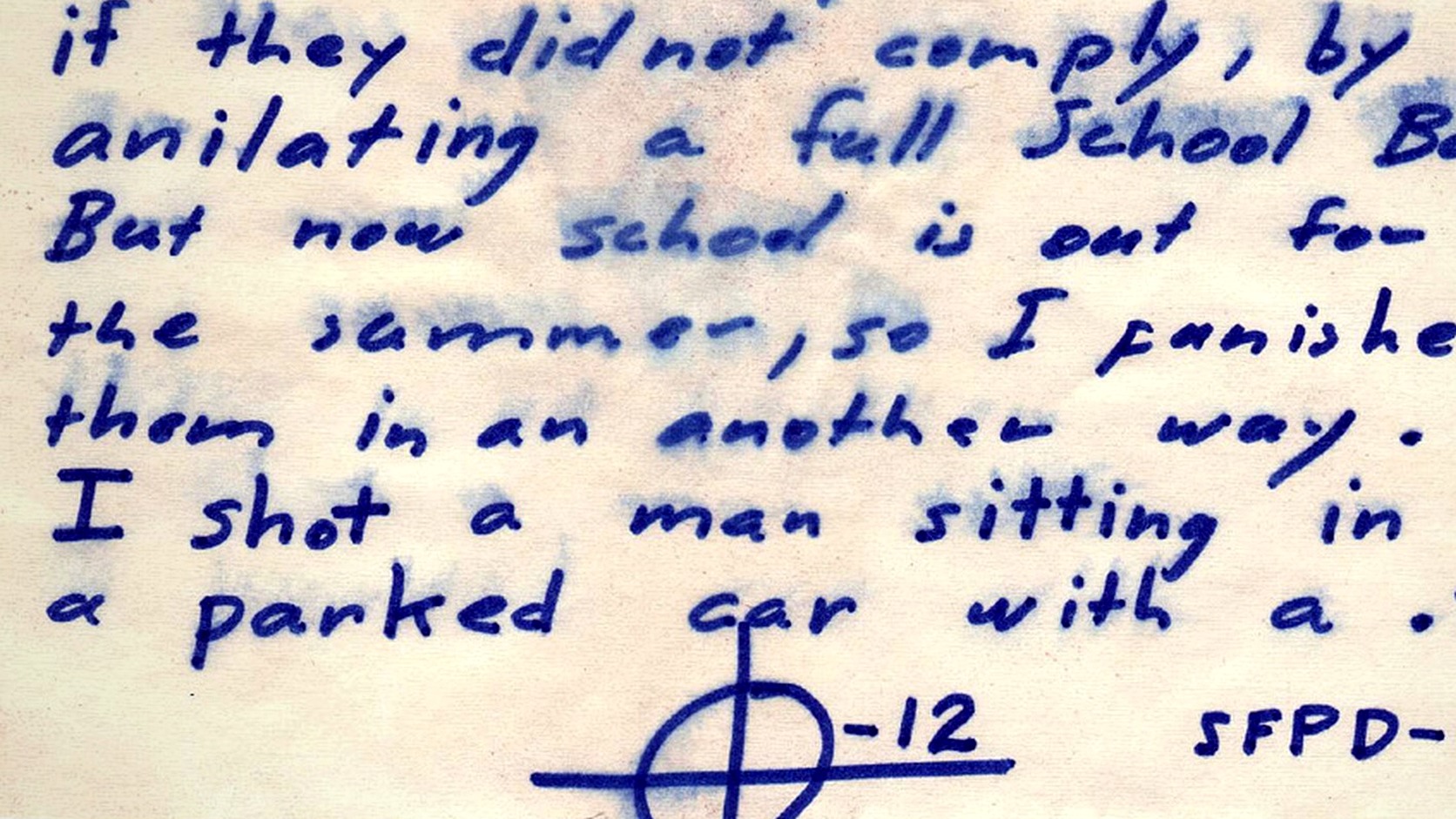
▲ Hypothesis Comparison — Explanatory Power and Gaps
The Conclusions I Discarded
When I started the investigation, I was also drawn to the most popular explanation. It summarized the case in one sentence and assigned intent to every object. But when I compared the evidence, that explanation demanded new coincidences for every blank. At that point, I erased the conclusion and started over. Good reasoning wasn’t about adding more; it was closer to removing unnecessary assumptions.
Z340 is a prime example that decoding doesn’t equal solving the case. The type of information a plaintext gives and the physical evidence needed for a criminal investigation are different.
Especially, I separated later testimony and internet-repeated details from the original records. Just because the same sentence appears in multiple places doesn’t mean there are multiple independent sources. I first checked the possibility that a single incorrect sentence had been copied. Going through this process reduced the scope of the case, but the weight of the remaining clues actually increased.
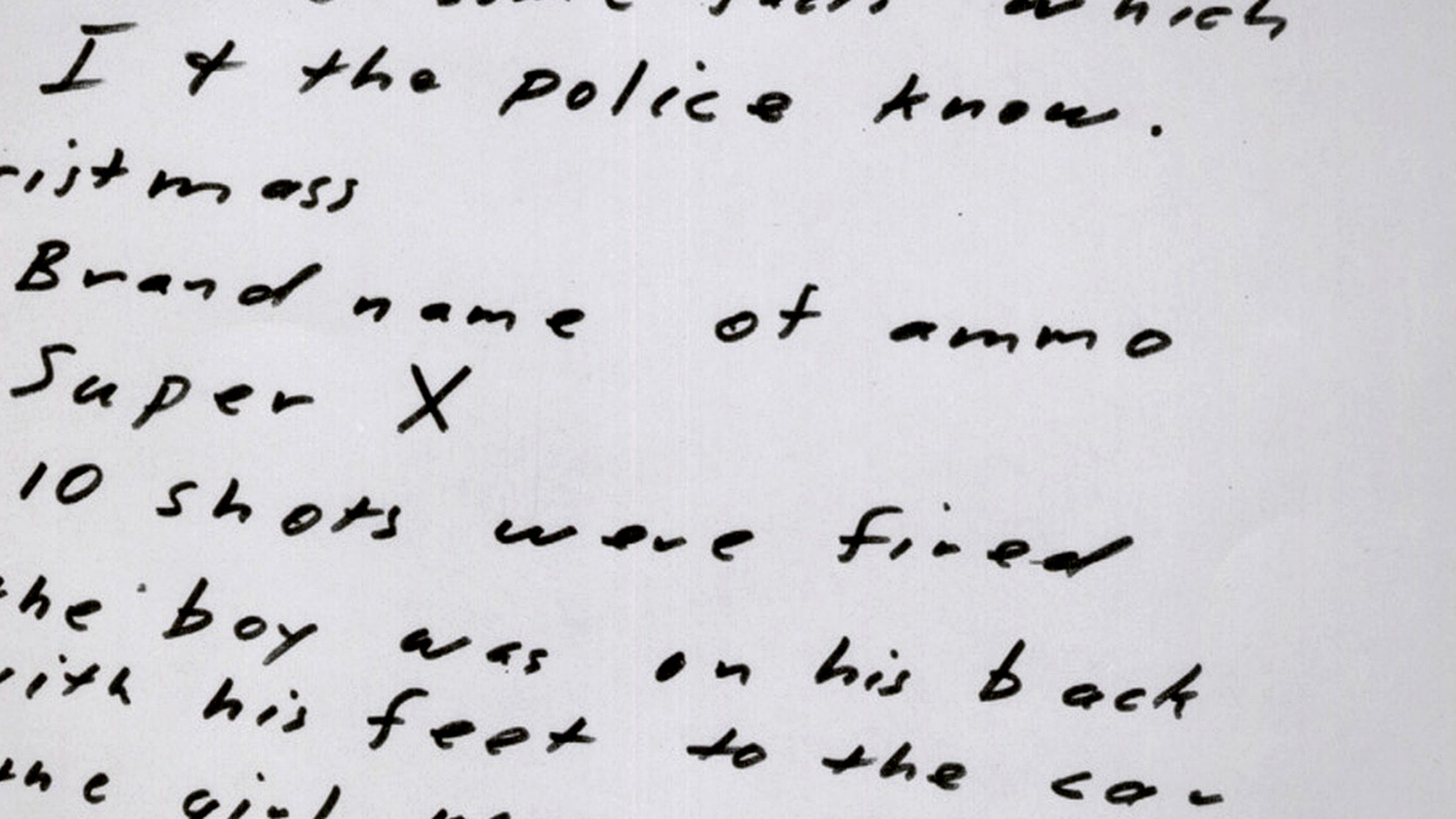
▲ Verification Check — Conclusions I Discarded
Final Reasoning: The Results I Reached
Z340 was solved, but the Zodiac remained. Turning a cipher into plaintext and identifying a person are separate evidence issues.
This conclusion isn’t a definitive ruling. Within the currently available records, it’s the approach that requires the fewest assumptions while explaining the most clues at once. It can be revised if new evidence emerges. But it’s also clear what kind of evidence would change the conclusion. Reliable original records, verifiable forensic data, and independent evidence linking objects and people are needed.
I don’t write that the case is closed. Instead, I note how far it can be closed. That boundary is the result of this investigation. The fun of a mystery isn’t that any explanation is possible. It’s figuring out which possible explanations can be discarded.
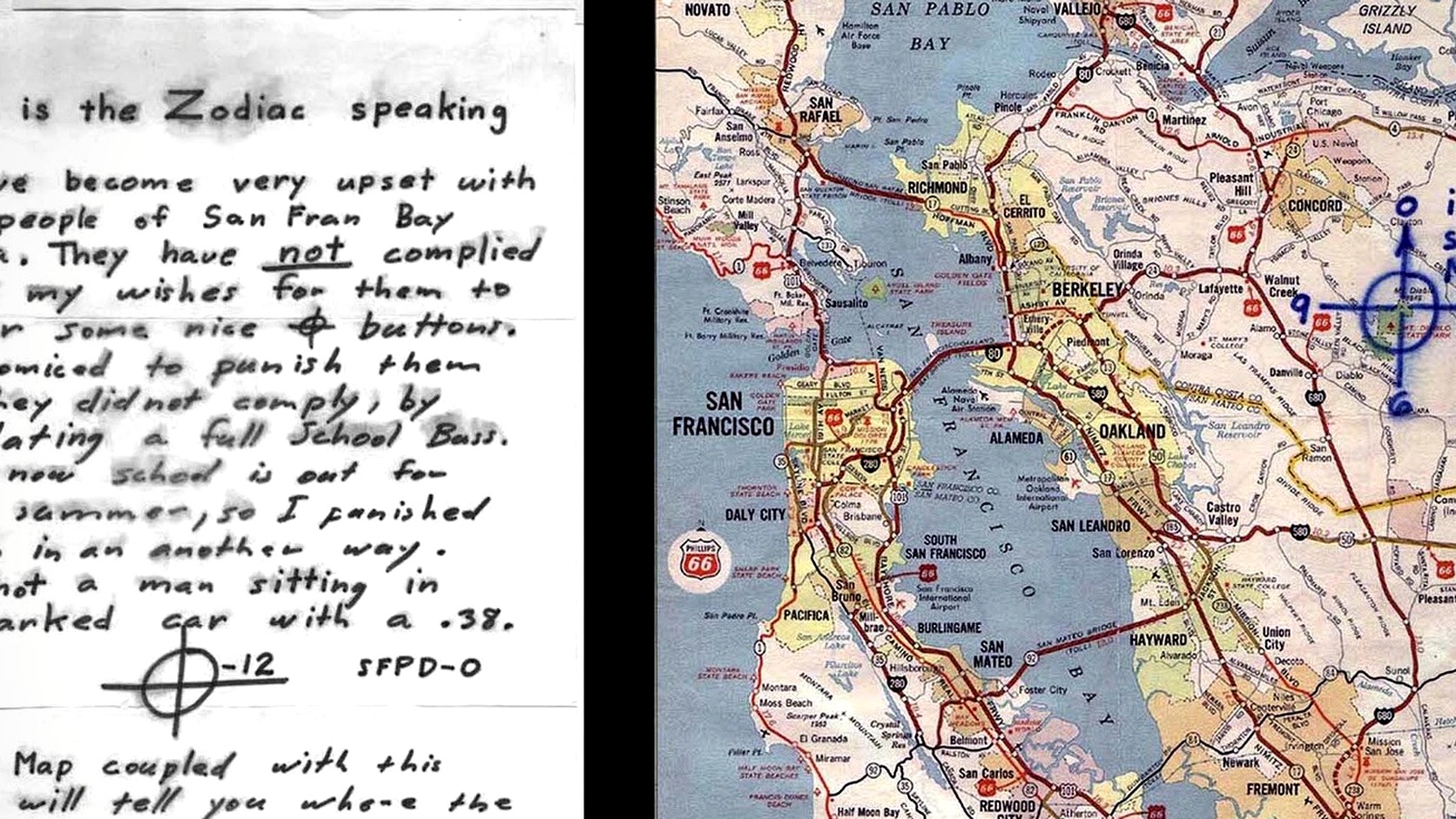
▲ Final Judgment — Explanation that Requires the Fewest Assumptions
Additional Investigation Record 1. Redrawing the Timeline
I unfolded the case chart again at dawn. This time, I covered the conclusions and only left the record that said, "Z340 was sent to the San Francisco Chronicle in November 1969." Even incidents I thought I already knew showed a completely different shape once the conclusions were erased. I connected the places and times in a single line and noted the minimum time required for movement. I didn’t fill the gaps between records with imagination, instead marking them with empty squares. The larger the square, the lower the reliability of the hypothesis explaining that section.
On top of that, I tried the hypothesis of a "complex cipher created directly by the culprit." At first, everything seemed to fit. But when I asked, "How much error should be allowed for a decoding to be considered valid?" the weak points in the explanation became clear. A hypothesis has to withstand questions. If you keep introducing new characters or coincidences to avoid questions, it becomes creation rather than deduction. I only used a sense of creation in the sentence’s tone, not in place of the facts.
The result I got at this stage isn’t the confirmed name of the culprit or a complete decoding. Instead, it became clear which explanations require fewer assumptions and which ones get overturned when something new is discovered. Even if you can’t close the case, it’s possible to narrow down the scope of the investigation. This record exists to leave that narrowed boundary.
Additional investigation record 2. The missing link
I unfolded the case chart again at dawn. This time, covering the conclusions, I only left the record that said: "The solution uses transpositions close to diagonal movement and substitutions where multiple symbols represent the same letter." Even incidents I thought I already knew showed a completely different shape once the conclusions were erased. I connected the places and times in a single line and noted the minimum time required for movement. I didn’t fill the gaps between records with imagination, instead marking them with empty squares. The larger the square, the lower the reliability of the hypothesis explaining that section.
I put up the hypothesis 'the result of a flawed combination of existing cryptographic techniques' on top of that. At first, everything seemed to fit. But when I asked, 'Could the plain text be staged to get a public reaction rather than reflect the criminal’s psychology?' the weak points in the explanation became clear. A hypothesis has to withstand questions. If you keep bringing in new characters or coincidences to dodge questions, it stops being reasoning and becomes creation. I only used the sense of creation for the atmosphere of the sentences, not as a substitute for facts.
The result I got at this stage isn’t the confirmed name of the culprit or a complete decoding. Instead, it became clear which explanations require fewer assumptions and which ones get overturned when something new is discovered. Even if you can’t close the case, it’s possible to narrow down the scope of the investigation. This record exists to leave that narrowed boundary.
Additional Investigation Record 3. Witness’s Distance
I opened the case file again in the early morning. This time, I left only the note, 'The plain text mentions the broadcast program and gas chamber at the time but does not name them,' without drawing any conclusions. Even cases I thought I already knew look completely different when you erase the conclusions. I connected the place and time in a single line and noted the minimum time needed to move. I marked the gaps between records with empty squares, not imagination. The bigger the square, the lower the reliability of any hypothesis explaining that segment.
On top of that, I tried the hypothesis, 'Some errors are intentional confusion, and some are simple mistakes.' At first, everything seemed to fit. But when I asked, 'Could the same technique be applied to short ciphers like Z13 or Z32?' the weak points emerged. A hypothesis has to withstand questions. If you keep bringing in new characters or coincidences to dodge questions, it stops being reasoning and becomes creation. I only used the sense of creation for the atmosphere of the sentences, not as a substitute for facts.
The result I got at this stage isn’t the confirmed name of the culprit or a complete decoding. Instead, it became clear which explanations require fewer assumptions and which ones get overturned when something new is discovered. Even if you can’t close the case, it’s possible to narrow down the scope of the investigation. This record exists to leave that narrowed boundary.
Additional Investigation Record 4. The Route Objects Took
I opened the case files again at dawn. This time, without drawing any conclusions, I only left a note saying, 'The solution was accepted by reproducing the entire string and explaining the error location.' Even cases I thought I already knew revealed completely different shapes once the conclusions were erased. I connected the places and times in a single line and noted the minimum time needed for movement. The gaps between records were shown as empty squares instead of being filled with imagination. The larger the square, the lower the reliability of the hypothesis explaining that section.
On top of that, I tried the hypothesis of a "complex cipher created directly by the culprit." At first, everything seemed to fit. But when I asked, "How much error should be allowed for a decoding to be considered valid?" the weak points in the explanation became clear. A hypothesis has to withstand questions. If you keep introducing new characters or coincidences to avoid questions, it becomes creation rather than deduction. I only used a sense of creation in the sentence’s tone, not in place of the facts.
The result I got at this stage isn’t the confirmed name of the culprit or a complete decoding. Instead, it became clear which explanations require fewer assumptions and which ones get overturned when something new is discovered. Even if you can’t close the case, it’s possible to narrow down the scope of the investigation. This record exists to leave that narrowed boundary.
Additional Investigation Record 5. The Temptation of False Clues
I unfolded the case chart again at dawn. This time, I covered the conclusions and only left the record that said, "Z340 was sent to the San Francisco Chronicle in November 1969." Even incidents I thought I already knew showed a completely different shape once the conclusions were erased. I connected the places and times in a single line and noted the minimum time required for movement. I didn’t fill the gaps between records with imagination, instead marking them with empty squares. The larger the square, the lower the reliability of the hypothesis explaining that section.
I put up the hypothesis 'the result of a flawed combination of existing cryptographic techniques' on top of that. At first, everything seemed to fit. But when I asked, 'Could the plain text be staged to get a public reaction rather than reflect the criminal’s psychology?' the weak points in the explanation became clear. A hypothesis has to withstand questions. If you keep bringing in new characters or coincidences to dodge questions, it stops being reasoning and becomes creation. I only used the sense of creation for the atmosphere of the sentences, not as a substitute for facts.
The result I got at this stage isn’t the confirmed name of the culprit or a complete decoding. Instead, it became clear which explanations require fewer assumptions and which ones get overturned when something new is discovered. Even if you can’t close the case, it’s possible to narrow down the scope of the investigation. This record exists to leave that narrowed boundary.
Additional Investigation Record 6. Reconstruction of the Final Scene
I unfolded the case chart again at dawn. This time, covering the conclusions, I only left the record that said: "The solution uses transpositions close to diagonal movement and substitutions where multiple symbols represent the same letter." Even incidents I thought I already knew showed a completely different shape once the conclusions were erased. I connected the places and times in a single line and noted the minimum time required for movement. I didn’t fill the gaps between records with imagination, instead marking them with empty squares. The larger the square, the lower the reliability of the hypothesis explaining that section.
On top of that, I tried the hypothesis, 'Some errors are intentional confusion, and some are simple mistakes.' At first, everything seemed to fit. But when I asked, 'Could the same technique be applied to short ciphers like Z13 or Z32?' the weak points emerged. A hypothesis has to withstand questions. If you keep bringing in new characters or coincidences to dodge questions, it stops being reasoning and becomes creation. I only used the sense of creation for the atmosphere of the sentences, not as a substitute for facts.
The result I got at this stage isn’t the confirmed name of the culprit or a complete decoding. Instead, it became clear which explanations require fewer assumptions and which ones get overturned when something new is discovered. Even if you can’t close the case, it’s possible to narrow down the scope of the investigation. This record exists to leave that narrowed boundary.
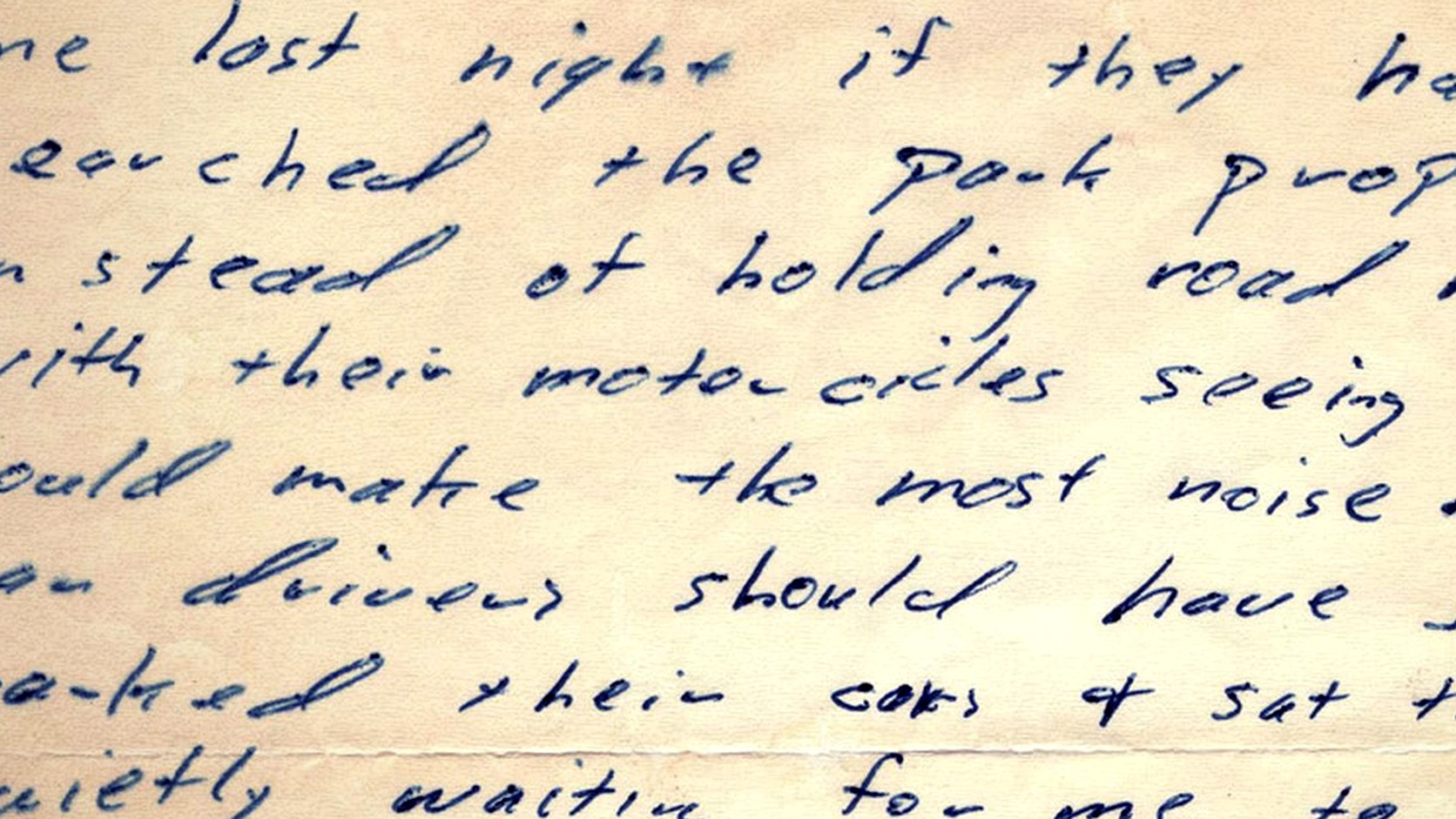
▲ End of Investigation Records — Questions Still Remaining
· Zodiac Killer Ciphers — Z340 solution
· FBI Archives — Zodiac Killer
※ This text is a personal investigative record-style commentary based on public records and reliable sources. Facts and inferences are distinguished, and judgments will be updated if new official announcements are made.
Image Sources and Editing
Publicly licensed materials from Wikimedia Commons were cropped, resized, and color-corrected to fit the flow of the text. Episodes that include generated images are not included in the list below.
- Zodiac-Colour-SFC.jpg — The Zodiac Killer, Public domain
- Zodiac-July1969-proof.jpg — Zodiac killer, Public domain
- June 26 1970 Zodiac letter.jpg — The Zodiac Killer, Public domain
- Zodiac-Schoolbus.jpg — The Zodiac Killer, Public domain
- San Francisco Chronicle Dripping Pen Card November 8 1969.jpg — Zodiac Killer, Public domain
- Death-machine-diagram.png — Zodiac killer, Public domain