the Mary Celeste
a record that casts the ghost ship legend away

▲ Case Cover — Opening the Records
In 1872, the Mary Celeste was discovered uninhabited in the Atlantic Ocean. The ship was navigable and much of its cargo remained, but the captain's family and crew disappeared.
The Mary Celeste is not a supernatural ghost ship, but an unwritten issue that is likely to be a cross between misguided risk judgments and maritime accidents.
Prologue: The Night I Opened the Records
When I spread out the case materials on my desk, the first thing that caught my eye wasn’t the answer, but the imbalance. Some scenes were overly clear, while some time periods were completely empty. People tend to grab onto a clear scene and try to explain the whole case, but I marked empty sections first. Mysteries can come from having too many clues, but they can also come from the spaces between clues being too wide.
The crew of the Dei Gratia spotted the drifting Mary Celeste near Azores. There were no lifeboats and some of the navigation equipment, and the last logbook was cut off from a few days ago.
I didn’t see this case as a task of confirming an already known ending. I arranged the records chronologically, mapped the movement of objects separately, and marked witness accounts and interpretations with different colors. Then I intentionally reviewed the most famous explanations last. If you read the famous hypotheses first, all the clues seem like they exist just for that hypothesis.
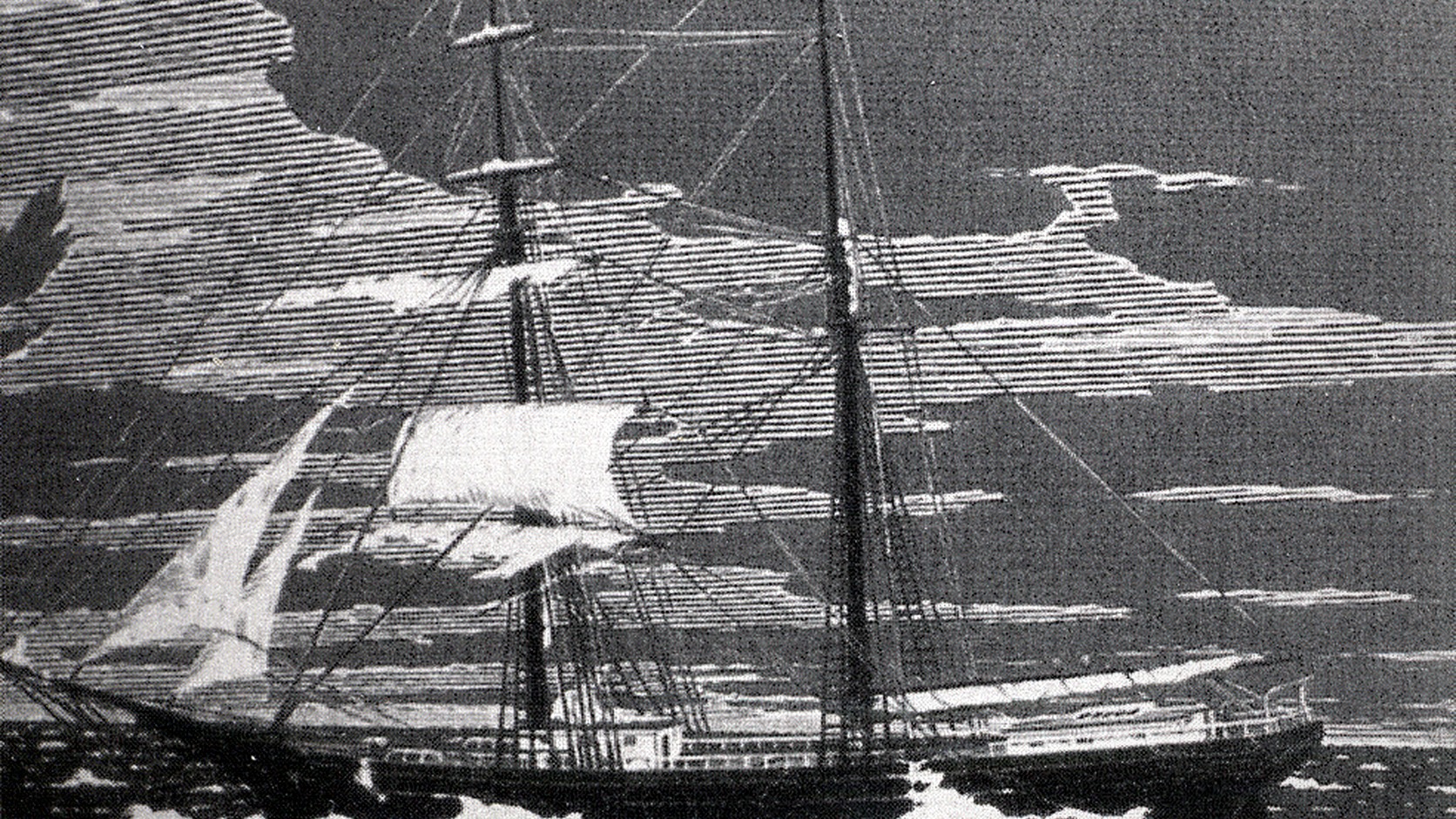
▲ Scene Reconstruction — Last Confirmed Movements
Case File: What I Could Trust
| Number | Verified Records | Current Reliability |
|---|---|---|
| 1 | The ship was carrying industrial alcohol from New York to Genoa. | High |
| 2 | It is likely that the lifeboat disappeared and the crew left the ship intentionally. | High |
| 3 | There were no signs of confirming explosions or large-scale fighting. | Medium |
| 4 | In later stories, different decorations were added, such as the fact that food was prepared. | Medium |
The direct cause of the crew's departure, the whereabouts of the lifeboat, and the role of weather, cargo leakage and navigation equipment errors remain.
The sentence 'was not explained' is not the same as 'it's supernatural' or 'someone did it on purpose.' I didn’t use blanks as evidence.
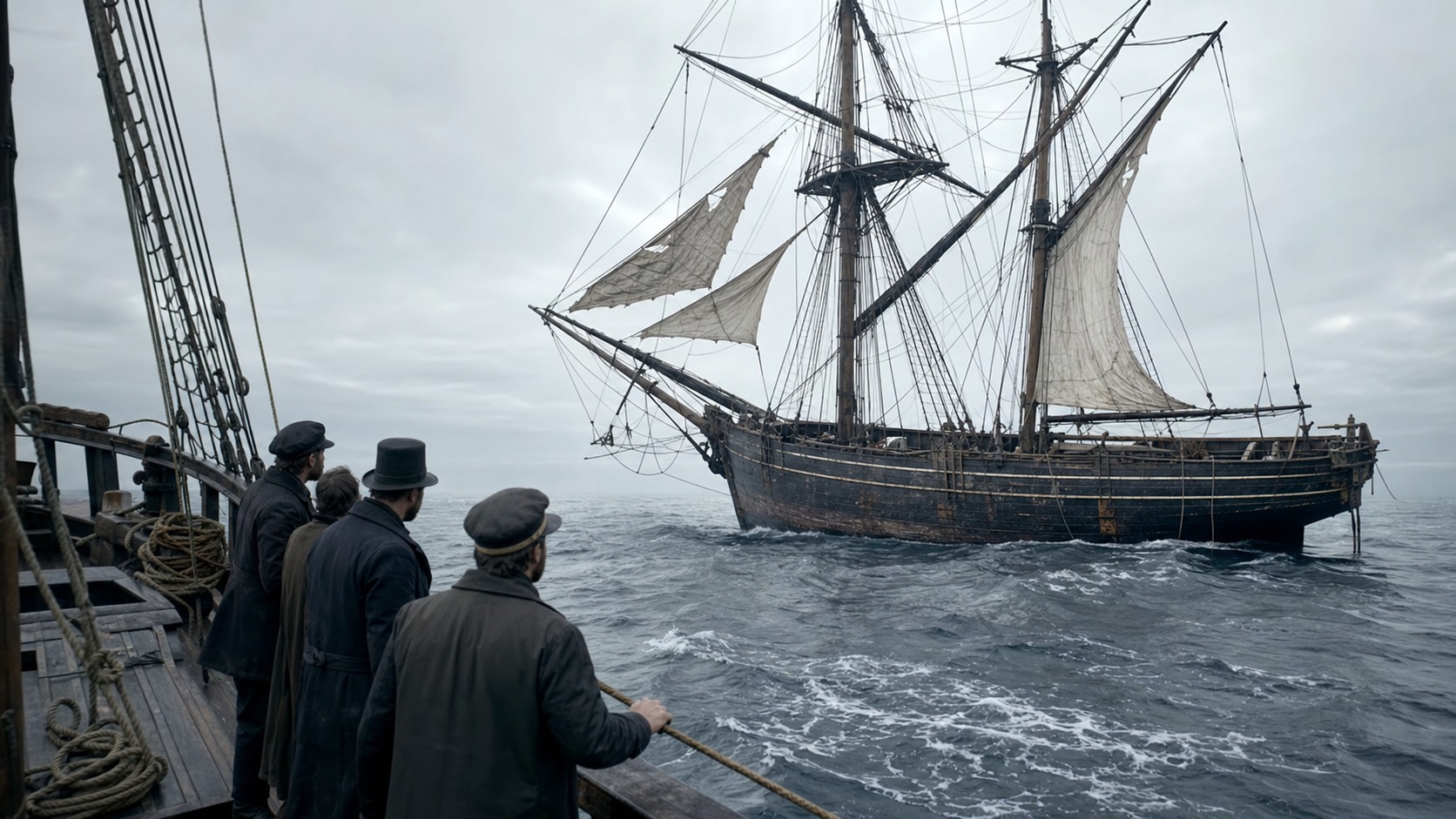
▲ Timeline — flow before and after the event
Scene Reconstruction: Last Certain Point
I changed the location where the event happened from a mental stage to an actual route. I divided the starting point, the last confirmed point, and the discovery location, and calculated the time needed in between. Some dramatic descriptions from later accounts were omitted. Instead, sounds, weather, means of transportation, and the positions of objects from the records came forward. The novelistic atmosphere came directly from the texture of these facts. There was no need to add secret passages that weren’t confirmed or unnamed accomplices.
When reconstructing the final scene, I didn’t assume the characters’ minds. The same actions could stem from fear, planning, mistakes, or fatigue. So I wrote the actions first and left emotions only as much as possible. Thanks to this principle, the event became less dramatic but more concrete.
Clue 1. The ship was carrying industrial alcohol from New York to Genoa.
I placed this sentence right in the middle of the case record and first checked the tense. I separated who observed it and when, whether it was written on the spot, or added later from memory. Clues in unsolved cases turn into smooth stories the older they get. But what you need in an investigation isn’t smoothness—it’s the source. The moment you distinguish whether a clue was directly observed, left by an object, or interpreted by someone, the outline of the case changes.
A conclusion in one direction seems very plausible if we separate this clue. However, I immediately confronted the next record, "It is very likely that the lifeboat has disappeared and the crew left the ship intentionally." If the two do not naturally coexist in the same explanation, the explanation is still only a story. The hypothesis, which fails to pass the question "How much risk did the cargo hold up the actual explosion?" in particular, ignores the other records instead of explaining one clue.
So I made three columns in my case notes. The first is verified facts, the second is inferences that go just one step beyond the facts, and the third is possibilities that can’t be chosen without additional evidence. This clue mixes parts that stay close to the first column with parts that remain in the second column. I didn’t erase that boundary. Leaving the boundary is the only way to adjust reasoning when new records appear later.
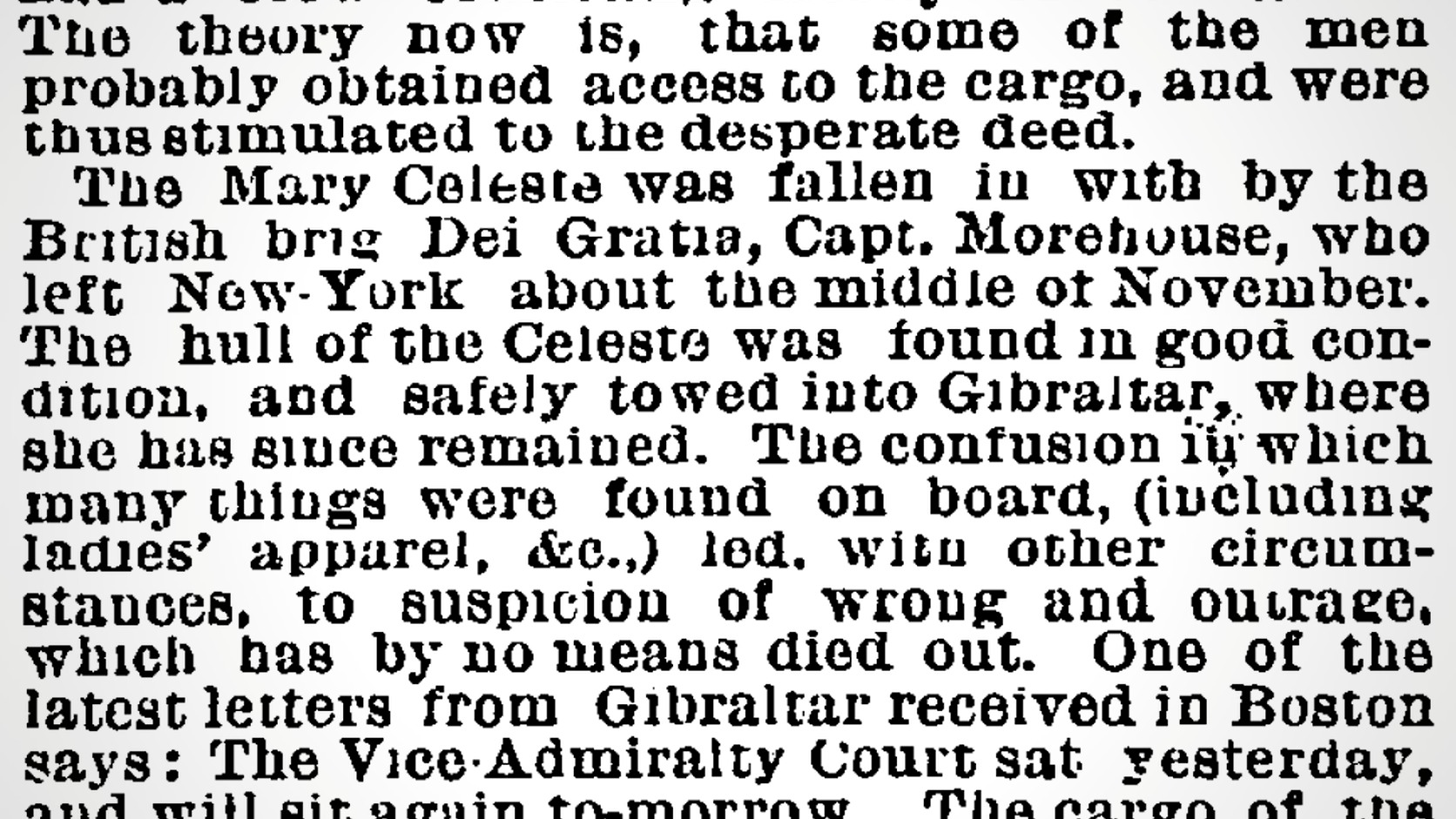
▲ Key Clue 1 — Traces Left by the Record
Clue 2. It is likely that the lifeboat disappeared and the crew left the ship intentionally.
I placed this sentence right in the middle of the case record and first checked the tense. I separated who observed it and when, whether it was written on the spot, or added later from memory. Clues in unsolved cases turn into smooth stories the older they get. But what you need in an investigation isn’t smoothness—it’s the source. The moment you distinguish whether a clue was directly observed, left by an object, or interpreted by someone, the outline of the case changes.
A conclusion in one direction seems very plausible if only this clue is separated. However, I immediately confronted the next record, "There were no signs of confirming an explosion or a large-scale battle." If the two do not naturally coexist in the same explanation, the explanation is still only a story. In particular, a hypothesis that fails to pass the question "How would the connection be broken if the lifeboat were tied to the ship?" turns a blind eye to the other record instead of explaining one clue.
So I made three columns in my case notes. The first is verified facts, the second is inferences that go just one step beyond the facts, and the third is possibilities that can’t be chosen without additional evidence. This clue mixes parts that stay close to the first column with parts that remain in the second column. I didn’t erase that boundary. Leaving the boundary is the only way to adjust reasoning when new records appear later.
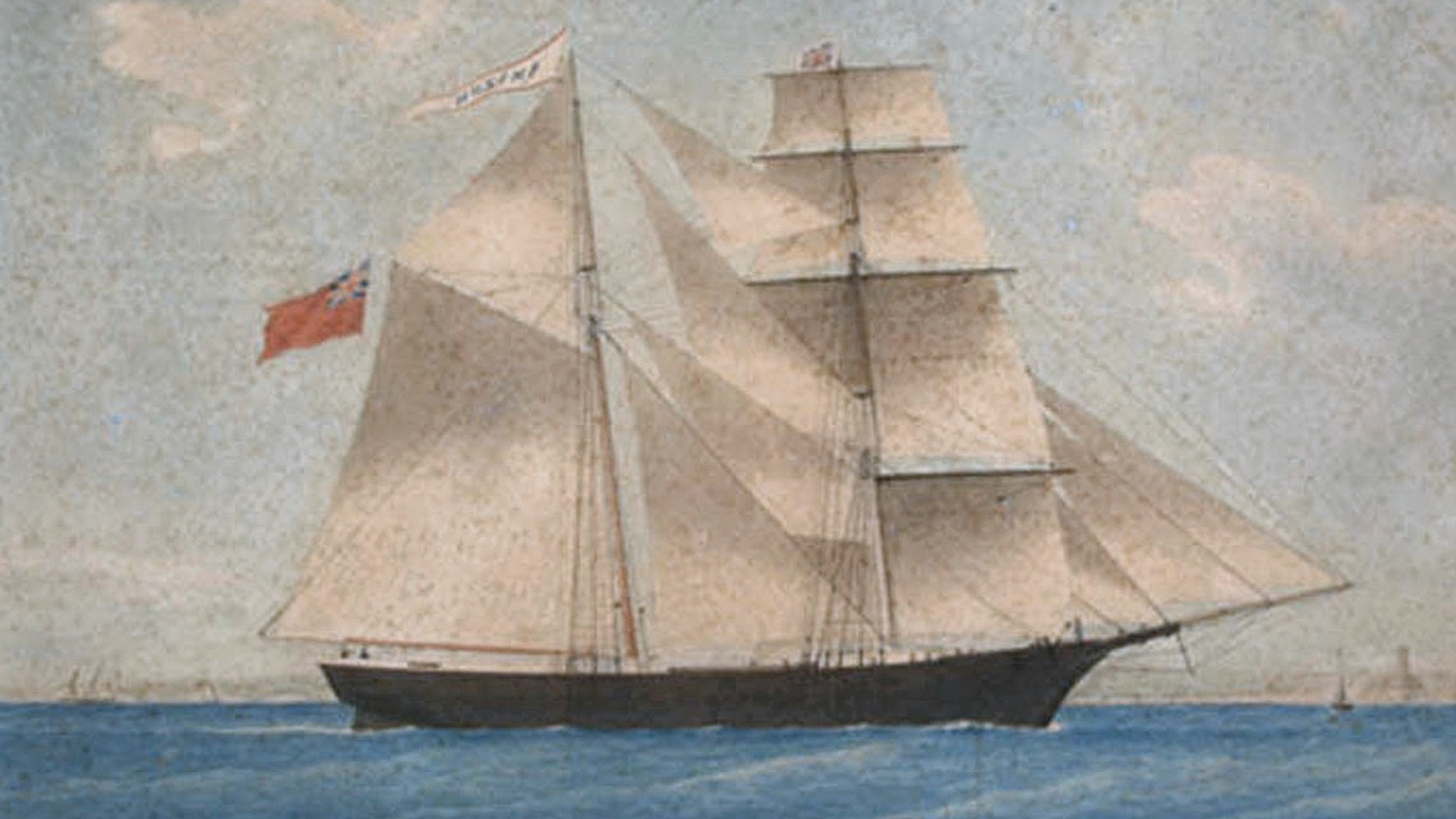
▲ Key Clue 2 — Pieces That Don’t Fit Together
Clue 3. There were no signs of confirming explosions or large-scale battles.
I placed this sentence right in the middle of the case record and first checked the tense. I separated who observed it and when, whether it was written on the spot, or added later from memory. Clues in unsolved cases turn into smooth stories the older they get. But what you need in an investigation isn’t smoothness—it’s the source. The moment you distinguish whether a clue was directly observed, left by an object, or interpreted by someone, the outline of the case changes.
A conclusion in one direction seems very plausible if only this clue is separated. However, I immediately confronted the next record, "In a later story, a different decoration was added, such as that the food was prepared." If the two do not naturally coexist in the same explanation, the explanation is still only a story. The hypothesis that fails to pass the question of "How does a void in the navigation passage mesh with the location of the discovery?" in particular, ignores the other records instead of explaining one clue.
So I made three columns in my case notes. The first is verified facts, the second is inferences that go just one step beyond the facts, and the third is possibilities that can’t be chosen without additional evidence. This clue mixes parts that stay close to the first column with parts that remain in the second column. I didn’t erase that boundary. Leaving the boundary is the only way to adjust reasoning when new records appear later.

▲ Key Clue 3 — Evidence That Shakes the Hypothesis
Clue 4. In later stories, different decorations were added, such as the fact that food was prepared.
I placed this sentence right in the middle of the case record and first checked the tense. I separated who observed it and when, whether it was written on the spot, or added later from memory. Clues in unsolved cases turn into smooth stories the older they get. But what you need in an investigation isn’t smoothness—it’s the source. The moment you distinguish whether a clue was directly observed, left by an object, or interpreted by someone, the outline of the case changes.
If only this clue is taken away, a conclusion in one direction seems very plausible. However, I immediately confronted the next record, "The ship was carrying industrial alcohol from New York to Genoa." If the two do not naturally coexist in the same explanation, the explanation is still only a story. In particular, the hypothesis that fails to pass the question "What did the condition of the cargo window create the actual risk of explosion?" turns a blind eye to the rest of the record instead of explaining one clue.
So I made three columns in my case notes. The first is verified facts, the second is inferences that go just one step beyond the facts, and the third is possibilities that can’t be chosen without additional evidence. This clue mixes parts that stay close to the first column with parts that remain in the second column. I didn’t erase that boundary. Leaving the boundary is the only way to adjust reasoning when new records appear later.
Putting Three Hypotheses on the Same Scale
I didn’t judge the hypotheses by whether they were written in fancy sentences. I noted the number of clues they explained, the number of new assumptions they required, and how well they could withstand contradictory evidence. Even if a hypothesis perfectly explains one clue but forces you to discard the other three, it’s not a good hypothesis.
Hypothesis A. Explanation of temporary evacuation due to alcohol vapor and explosion concerns
The advantage of this explanation is that it accepts the clue "The ship was carrying industrial alcohol from New York to Genoa" as a relatively small assumption. I first assume that this hypothesis is true and re-strike the event from start to finish. They connected where the character saw what he saw, what he made, and what he moved to the next place one sentence at a time. Where the connection was disconnected, there must have been hidden assumptions.
The biggest weakness is that it does not fully explain "there were no signs of confirming an explosion or a large-scale battle." If you keep adding exceptions to keep the hypothesis in place, you can explain anything, but those explanations predict nothing. I lowered the score of the hypothesis the moment the exception was over two. Conversely, I only scored when two independent clues pointed in the same direction.
In the end, this hypothesis can’t be completely discarded, but you also can’t take it as the conclusion as it is. If you read the case like a novel, the blanks fill in naturally. If you read it like an investigation record, the blanks stay as they are. I chose the latter. Even if the remaining blanks are uncomfortable, that discomfort preserves the range of what the evidence can actually tell us.
Hypothesis B. Explanation that the sinking was misjudged due to pump/water depth measurement problems
The advantage of this explanation is that it accepts the clue "the rescue has disappeared, and it is highly likely that the crew intentionally left the ship." I first assumed this hypothesis to be true and re-staged the event from start to finish. I connected the events one sentence after another, where the character saw what he saw, what he made, and where he moved to. At the point of disconnection, there must have been hidden assumptions. The biggest weakness of
is that it does not fully explain "the fact that there was a different decoration from the fact that the food was prepared in the later stories." If we keep adding exceptions to keep the hypothesis in place, we can explain anything, but such an explanation does not predict anything. I lowered the score of the hypothesis the moment the two exceptions were exceeded. Conversely, we only scored when two independent clues pointed in the same direction.
In the end, this hypothesis can’t be completely discarded, but you also can’t take it as the conclusion as it is. If you read the case like a novel, the blanks fill in naturally. If you read it like an investigation record, the blanks stay as they are. I chose the latter. Even if the remaining blanks are uncomfortable, that discomfort preserves the range of what the evidence can actually tell us.
Hypothesis C. Explanation of sudden wake and failure to tow a lifeboat
The advantage of this explanation is that we accept with relatively few assumptions the clue, "There were no signs of explosion or confirmation of a large-scale battle." I first assumed that this hypothesis was true and re-staged the event from start to finish. I connected each sentence of where the character saw what he saw, what he made, and what he decided to move to the next place. At the point of disconnection there must have been a hidden assumption.
The biggest weakness is that it does not fully explain "the ship was carrying industrial alcohol from New York to Genoa." If we keep adding exceptions to keep the hypothesis in place, we can explain anything, but such an explanation does not predict anything. I lowered the score of the hypothesis the moment the two exceptions were exceeded. Conversely, I only scored when two independent clues pointed in the same direction.
In the end, this hypothesis can’t be completely discarded, but you also can’t take it as the conclusion as it is. If you read the case like a novel, the blanks fill in naturally. If you read it like an investigation record, the blanks stay as they are. I chose the latter. Even if the remaining blanks are uncomfortable, that discomfort preserves the range of what the evidence can actually tell us.
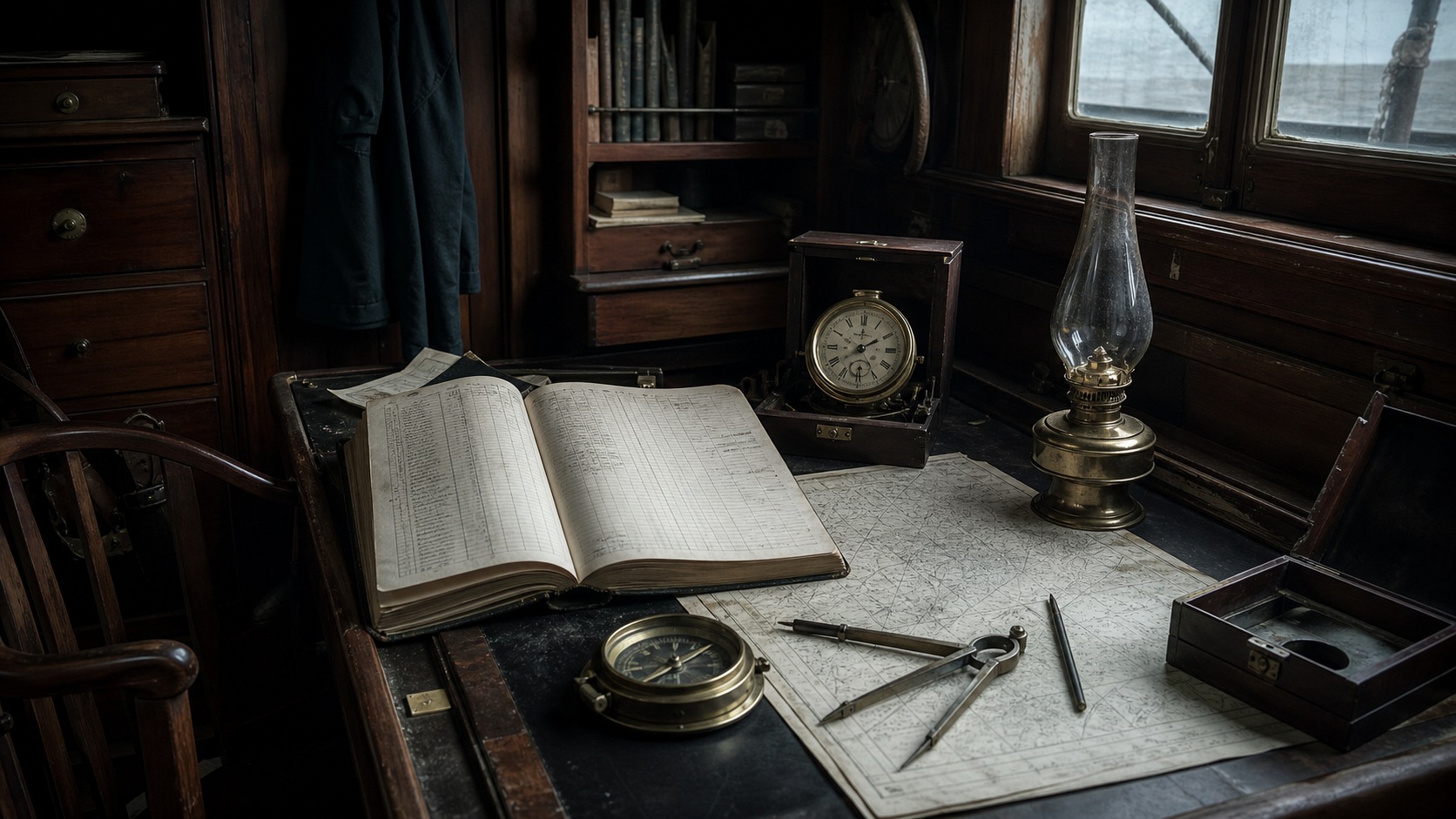
▲ Hypothesis Comparison — Explanatory Power and Gaps
The Conclusions I Discarded
When I started the investigation, I was also drawn to the most popular explanation. It summarized the case in one sentence and assigned intent to every object. But when I compared the evidence, that explanation demanded new coincidences for every blank. At that point, I erased the conclusion and started over. Good reasoning wasn’t about adding more; it was closer to removing unnecessary assumptions.
The decision to abandon the ship may seem unreasonable, but the information the crew had at the time may have been different. The key is to separate why you left and why you didn't return.
Especially, I separated later testimony and internet-repeated details from the original records. Just because the same sentence appears in multiple places doesn’t mean there are multiple independent sources. I first checked the possibility that a single incorrect sentence had been copied. Going through this process reduced the scope of the case, but the weight of the remaining clues actually increased.

▲ Verification Check — Conclusions I Discarded
Final Reasoning: The Results I Reached
The Mary Celeste is not a supernatural ghost ship, but an unwritten issue that is likely to be a cross between misguided risk judgments and maritime accidents.
This conclusion isn’t a definitive ruling. Within the currently available records, it’s the approach that requires the fewest assumptions while explaining the most clues at once. It can be revised if new evidence emerges. But it’s also clear what kind of evidence would change the conclusion. Reliable original records, verifiable forensic data, and independent evidence linking objects and people are needed.
I don’t write that the case is closed. Instead, I note how far it can be closed. That boundary is the result of this investigation. The fun of a mystery isn’t that any explanation is possible. It’s figuring out which possible explanations can be discarded.

▲ Final Judgment — Explanation that Requires the Fewest Assumptions
Additional Investigation Record 1. Redrawing the Timeline
At dawn, I opened the event chart again. This time, covering up the conclusion, he only left a record saying, "The ship was carrying industrial alcohol from New York to Genoa." Even incidents that I thought I already knew will take on a completely different shape if I erase the conclusion. I connected the place and time in a line and wrote the minimum time required to move. The spaces between the records were marked with blank squares instead of filled with imagination. The larger the square, the less reliable the hypothesis explaining the section was. On top of
, I posted the hypothesis, "An explanation that the ship was temporarily evacuated due to concerns about alcohol vapor and explosion." At first, everything seemed to fit. However, when the question, "How much did the cargo window create the actual risk of explosion?" was substituted, the weak part of the explanation came to light. Hypothesis has to endure the question. If you keep calling new people or coincidences to avoid the question, from the moment it becomes creation, not reasoning. I used my sense of creation only in the mood of a sentence and did not put it in the place of the fact. At the dawn of
The result I got at this stage isn’t the confirmed name of the culprit or a complete decoding. Instead, it became clear which explanations require fewer assumptions and which ones get overturned when something new is discovered. Even if you can’t close the case, it’s possible to narrow down the scope of the investigation. This record exists to leave that narrowed boundary.
Additional investigation record 2. The missing link
, the event chart was unfolded again. This time, he only left a record of "It is very likely that the lifeboat disappeared and the crew left intentionally," concealing the conclusion. Even events that I thought I had already known reveal a completely different shape when I erase the conclusion. I connected the place and time in a single line and wrote the minimum time required for movement. The spaces between the records were not filled with imagination but were marked with blank squares. The larger the square, the lower the reliability of the hypothesis explaining the section. On top of
, I put a hypothesis that "an explanation that the sinking was misjudged due to a pump and water depth measurement problem." At first, everything seemed to fit. However, when the question "In what circumstances would the connection be broken if the lifeboat was tied to the ship?" was substituted, the weak part of the explanation was revealed. Hypotheses have to endure questions. If you keep calling new people or coincidences to avoid questions, from the moment on, it becomes creation, not reasoning. I used the sense of creation only in the atmosphere of the sentence and did not put it in the place of the fact. At the dawn of
The result I got at this stage isn’t the confirmed name of the culprit or a complete decoding. Instead, it became clear which explanations require fewer assumptions and which ones get overturned when something new is discovered. Even if you can’t close the case, it’s possible to narrow down the scope of the investigation. This record exists to leave that narrowed boundary.
Additional Investigation Record 3. Witness’s Distance
, the event table was unfolded again. This time, the conclusion was covered up, only a record saying, "There were no signs of confirming an explosion or large-scale battle." Even incidents that I thought I already knew reveal completely different shapes when I erase the conclusion. I connected the place and time in a line and wrote down the minimum time required for movement. The spaces between the records were not filled with imagination but were marked with blank squares. The larger the square, the lower the reliability of the hypothesis explaining the section. On top of
, I put a hypothesis that "the sudden weather and the failure to tow a lifeboat overlap." At first, everything seemed to fit together. However, when the question "How does the navigation journal space mesh with the location of the discovery?" was substituted, the weak part of the explanation was revealed. Hypothesis must endure question. If you keep calling new person or coincidence to avoid question, from the moment it becomes creation, not reasoning. I used my sense of creation only in the atmosphere of the sentence and did not put it in the place of the fact. At dawn of
The result I got at this stage isn’t the confirmed name of the culprit or a complete decoding. Instead, it became clear which explanations require fewer assumptions and which ones get overturned when something new is discovered. Even if you can’t close the case, it’s possible to narrow down the scope of the investigation. This record exists to leave that narrowed boundary.
Additional Investigation Record 4. The Route Objects Took
, the event chart was unfolded again. This time, covering up the conclusion, he only left a record saying, "A different decoration from the fact was added, such as that food was prepared in the story of the future." Events that I thought I already knew reveal a completely different shape when I erase the conclusion. I connected the place and time in a line and wrote the minimum time required for movement. The gap between the records was not filled in imagination but in a blank square. The larger the square, the lower the reliability of the hypothesis explaining the section.
, I posted the hypothesis, "An explanation that the ship was temporarily evacuated due to concerns about alcohol vapor and explosion." At first, everything seemed to fit. However, when the question, "How much did the cargo window create the actual risk of explosion?" was substituted, the weak part of the explanation came to light. Hypothesis has to endure the question. If you keep calling new people or coincidences to avoid the question, from the moment it becomes creation, not reasoning. I used my sense of creation only in the mood of a sentence and did not put it in the place of the fact. At the dawn of
The result I got at this stage isn’t the confirmed name of the culprit or a complete decoding. Instead, it became clear which explanations require fewer assumptions and which ones get overturned when something new is discovered. Even if you can’t close the case, it’s possible to narrow down the scope of the investigation. This record exists to leave that narrowed boundary.
Additional Investigation Record 5. The Temptation of False Clues
At dawn, I opened the event chart again. This time, covering up the conclusion, he only left a record saying, "The ship was carrying industrial alcohol from New York to Genoa." Even incidents that I thought I already knew will take on a completely different shape if I erase the conclusion. I connected the place and time in a line and wrote the minimum time required to move. The spaces between the records were marked with blank squares instead of filled with imagination. The larger the square, the less reliable the hypothesis explaining the section was. On top of
, I put a hypothesis that "an explanation that the sinking was misjudged due to a pump and water depth measurement problem." At first, everything seemed to fit. However, when the question "In what circumstances would the connection be broken if the lifeboat was tied to the ship?" was substituted, the weak part of the explanation was revealed. Hypotheses have to endure questions. If you keep calling new people or coincidences to avoid questions, from the moment on, it becomes creation, not reasoning. I used the sense of creation only in the atmosphere of the sentence and did not put it in the place of the fact. At the dawn of
The result I got at this stage isn’t the confirmed name of the culprit or a complete decoding. Instead, it became clear which explanations require fewer assumptions and which ones get overturned when something new is discovered. Even if you can’t close the case, it’s possible to narrow down the scope of the investigation. This record exists to leave that narrowed boundary.
Additional Investigation Record 6. Reconstruction of the Final Scene
, the event chart was unfolded again. This time, he only left a record of "It is very likely that the lifeboat disappeared and the crew left intentionally," concealing the conclusion. Even events that I thought I had already known reveal a completely different shape when I erase the conclusion. I connected the place and time in a single line and wrote the minimum time required for movement. The spaces between the records were not filled with imagination but were marked with blank squares. The larger the square, the lower the reliability of the hypothesis explaining the section. On top of
, I put a hypothesis that "the sudden weather and the failure to tow a lifeboat overlap." At first, everything seemed to fit together. However, when the question "How does the navigation journal space mesh with the location of the discovery?" was substituted, the weak part of the explanation was revealed. Hypothesis must endure question. If you keep calling new person or coincidence to avoid question, from the moment it becomes creation, not reasoning. I used my sense of creation only in the atmosphere of the sentence and did not put it in the place of the fact. At dawn of
The result I got at this stage isn’t the confirmed name of the culprit or a complete decoding. Instead, it became clear which explanations require fewer assumptions and which ones get overturned when something new is discovered. Even if you can’t close the case, it’s possible to narrow down the scope of the investigation. This record exists to leave that narrowed boundary.

▲ End of Investigation Records — Questions Still Remaining
· Smithsonian — The Mary Celeste
· Encyclopaedia Britannica — Mary Celeste
※ This text is a personal investigative record-style commentary based on public records and reliable sources. Facts and inferences are distinguished, and judgments will be updated if new official announcements are made.
Image Sources and Editing
Publicly licensed materials from Wikimedia Commons were cropped, resized, and color-corrected to fit the flow of the text. Episodes that include generated images are not included in the list below.
- Mary Celeste as Amazon in 1861.jpg — Unconfirmed, possibly Honore Pellegrin (1800–c.1870). This speculative attribution is suggested in Paul Begg: Mary Celeste: The Greatest Mystery of the Sea . Longmans Education Ltd, Harlow (UK) 2007. Plate 2, Public domain
- Mary Celeste engraving.jpg — Original uploader was RedCoat10 at en.wikipedia (Original text : No illustrator given. ), Public domain
- Mary Celeste NYTimes 1873February26.png — Boston Post, Public domain
- Mary Celeste as Amazon in 1861 (cropped).jpg — Unconfirmed, possibly Honore Pellegrin (1800–c.1870). This speculative attribution is suggested in Paul Begg: Mary Celeste: The Greatest Mystery of the Sea . Longmans Education Ltd, Harlow (UK) 2007. Plate 2, Public domain