Max Headroom Radio Kidnapping
Anonymous behind the 90-second video
▲ Cover of events — opening records
On November 22, 1987, two broadcast signals in Chicago were cut off by video of a figure wearing a max headroom mask. The culprit is not identified.
The Max Headroom incident is not a message, but a technology crime that has taken over the transmission path. Recorded footage remains, but the sender is gone.
Prologue: A Record-Breaking Night
When I unfolded the incident data on the desk, the first thing I noticed was not the correct answer, but the imbalance. Some scenes were too clear, and some times were entirely empty. People try to explain the whole incident by holding on to a clear scene, but I marked the empty section first. Mysteries arise because there are many clues, but sometimes the distance between them is too far.
The first break-in occurred silently for about 25 seconds during the WGN-TV news. The second was recorded during the WTTW's Doctor Who broadcast, which was longer and included audio.
I didn't see this event as a work to confirm a known ending. The records were arranged in chronological order, the routes of the objects were drawn separately, and the sightings and interpretations were marked in different colors. The most famous explanation was then deliberately reviewed at the end. Because if you first read a famous hypothesis, all the clues appear to exist for that hypothesis.
▲ Reconfiguration on site — Last identified line of movement
Case Files: What I Could Believe
| Number | Verified Records | Current Reliability |
|---|---|---|
| 1 | Two signal intrusions occurred on different stations on the same day. | High |
| 2 | The intruder most likely understood the broadcast link frequency and transmission direction. | High |
| 3 | The FCC and FBI have investigated, but no one has been publicly charged. | the middle |
| 4 | The lines and props in the video look like satire in the broadcasting industry, but there was no clear demand. | the middle |
The location of the transmission, the equipment used, the number of people, the motivation and the identity of the creator remain.
The sentence 'unexplained' is not the same as the sentence 'supernatural' or 'someone intended'. I didn't use the blanks as evidence.
▲ Timeline — Flow before and after events
Reconfiguring Scene: The Last Definite Point
I changed the place where the incident took place to a real route rather than a stage in my head. I divided the starting point, the last check point, and the place of discovery, and calculated the time required in the meantime. Several dramatic descriptions of later generations were missing in the process. Instead, the recorded sound, weather, means of transportation, and the location of objects came forward. The fictional atmosphere arose from the texture of that very fact. There was no need to add an unidentified secret passage or an unnamed accomplice.
When I reconstructed the last scene, I did not make up the character's mind. Fear, planning, error, and fatigue can cause the same behavior. So, I wrote down my actions first and left my emotions only to the extent possible. The events became less colorful but more specific thanks to this principle.
Clue 1. Two signal intrusions occurred on different stations on the same day.
I placed this sentence in the middle of the case record and checked the tense first. It started from who observed it, when it was written right on the spot, or whether it was added as a later memory. The longer the clues to the unsolved case get, the smoother it becomes. However, what is needed in the investigation is not the smoothness but the source. The outline of the case changed as soon as the clue was distinguished whether it was a direct observation, a trace left by an object, or someone's interpretation.
The conclusion in one direction seems very plausible if this clue is taken aside. However, I immediately confronted the next record, "The intruder most likely understood the broadcast link frequency and transmission direction." If the two do not naturally coexist in the same explanation, the explanation is still only a story. In particular, the hypothesis that fails to pass the question of "How much would it suggest advance reconnaissance if we targeted the two stations on the same night?" ignores the other records instead of explaining one clue.
So I made three compartments in my case notes. The first is confirmed facts, the second is reasoning that has only taken one step from facts, and the third is the possibility that you cannot choose without additional evidence. This clue is a mixture of the parts that are close to the first compartment and the parts that stay in the second compartment. I did not erase that boundary. Because leaving boundaries is the only way to correct reasoning when new records emerge later.

▲ Key Clue 1 — Traces left by records
Clue 2. The intruder most likely understood the broadcast link frequency and transmission direction.
I placed this sentence in the middle of the case record and checked the tense first. It started from who observed it, when it was written right on the spot, or whether it was added as a later memory. The longer the clues to the unsolved case get, the smoother it becomes. However, what is needed in the investigation is not the smoothness but the source. The outline of the case changed as soon as the clue was distinguished whether it was a direct observation, a trace left by an object, or someone's interpretation.
A straightforward conclusion seems very plausible if we separate this clue. But I immediately ran into the next record, "The FCC and the FBI investigated, but no one has been publicly charged." If the two do not naturally coexist in the same explanation, the explanation is still only a story. The hypothesis, which fails to pass the question "Is the statement in the video a clue of motivation or a noise that interferes with tracking?" specifically ignores the other records rather than explaining one clue.
So I made three compartments in my case notes. The first is confirmed facts, the second is reasoning that has only taken one step from facts, and the third is the possibility that you cannot choose without additional evidence. This clue is a mixture of the parts that are close to the first compartment and the parts that stay in the second compartment. I did not erase that boundary. Because leaving boundaries is the only way to correct reasoning when new records emerge later.
▲ Key clue 2 — An mismatched piece
Clue 3. The FCC and FBI have investigated, but no one has been publicly charged.
I placed this sentence in the middle of the case record and checked the tense first. It started from who observed it, when it was written right on the spot, or whether it was added as a later memory. The longer the clues to the unsolved case get, the smoother it becomes. However, what is needed in the investigation is not the smoothness but the source. The outline of the case changed as soon as the clue was distinguished whether it was a direct observation, a trace left by an object, or someone's interpretation.
A conclusion in one direction seems very plausible if this clue is taken aside. However, I immediately confronted the next record, "The lines and props in the video look like satire in the broadcasting industry, but there was no clear demand." If the two do not naturally coexist in the same explanation, the explanation is still only a story. In particular, the hypothesis that fails to pass the question of "How much will equipment access narrow the scope of the suspect at the time?" turns a blind eye to the rest of the record instead of explaining one clue.
So I made three compartments in my case notes. The first is confirmed facts, the second is reasoning that has only taken one step from facts, and the third is the possibility that you cannot choose without additional evidence. This clue is a mixture of the parts that are close to the first compartment and the parts that stay in the second compartment. I did not erase that boundary. Because leaving boundaries is the only way to correct reasoning when new records emerge later.
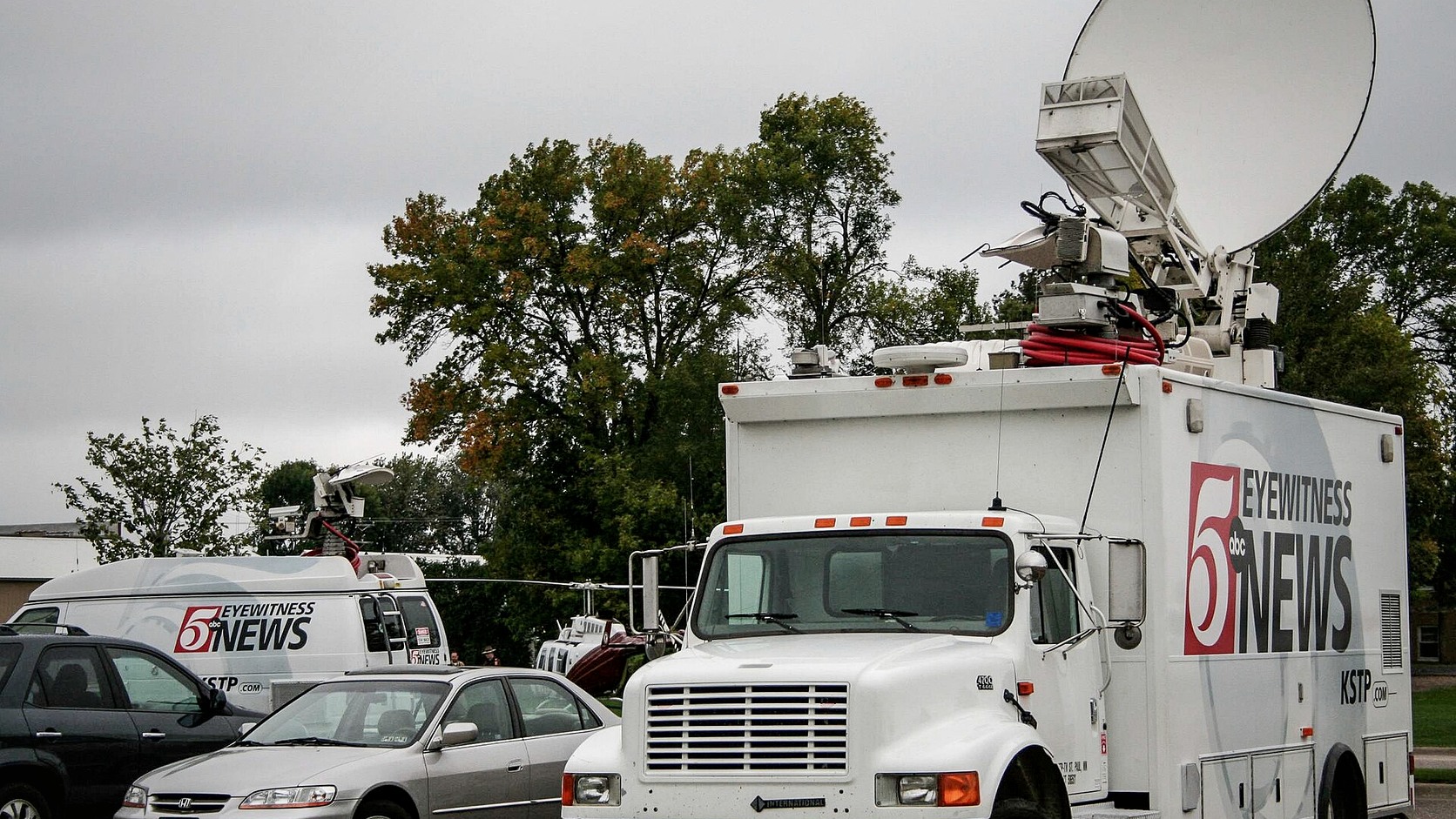
▲ Key clue 3 — Evidence that shakes the hypothesis
Clue 4. The lines and props in the video look like satire in the broadcasting industry, but there was no clear demand.
I placed this sentence in the middle of the case record and checked the tense first. It started from who observed it, when it was written right on the spot, or whether it was added as a later memory. The longer the clues to the unsolved case get, the smoother it becomes. However, what is needed in the investigation is not the smoothness but the source. The outline of the case changed as soon as the clue was distinguished whether it was a direct observation, a trace left by an object, or someone's interpretation.
The conclusion in one direction seems very plausible if this clue is taken aside. However, I immediately confronted the next record, "The two signal intrusions occurred on different stations on the same day." If the two do not naturally coexist in the same explanation, the explanation is still only a story. In particular, the hypothesis that fails to pass the question of "How much does aiming for the two stations on the same night suggest advance reconnaissance?" ignores the other records instead of explaining one clue.
So I made three compartments in my case notes. The first is confirmed facts, the second is reasoning that has only taken one step from facts, and the third is the possibility that you cannot choose without additional evidence. This clue is a mixture of the parts that are close to the first compartment and the parts that stay in the second compartment. I did not erase that boundary. Because leaving boundaries is the only way to correct reasoning when new records emerge later.
Putting the three hypotheses on the same scale, the
hypothesis did not evaluate them in a nice sentence. The number of clues to be explained, the number of newly requested assumptions, and the degree to which they can withstand opposite evidence were written down, respectively. A complete explanation of one clue is not a good hypothesis if the other three are discarded.
Hypothesis A. Insider or former worker who knows broadcasting technology
The advantage of this explanation is that it accepts as a relatively small assumption that "the two signal intrusions occurred on different stations on the same day." I first assumed that this hypothesis was true and re-staged the event from beginning to end. I connected where the character saw what he saw, what he made, and what he moved to the next place one sentence by one. At the point of disconnection, there must have been a hidden assumption.
The biggest weakness is that it does not fully explain "the FCC and the FBI have investigated, but no one has been publicly charged." If you keep adding exceptions to keep the hypothesis alive, you can explain anything, but that explanation does not predict anything. I lowered the hypothesis' score the moment the two exceptions were exceeded. Conversely, I only scored when two independent clues pointed in the same direction.
In the end, this hypothesis cannot be completely discarded, but it cannot be concluded as it is. If you read an event like a novel, the blanks will naturally fill in. If you read it like an investigative record, the blanks will remain the same. I chose the latter. Even if the blanks left are uncomfortable, the inconvenience protects the extent to which the evidence can speak.
Hypothesis B. Technology hobbyist's show-off and joke
The advantage of this explanation is that it accepts as a relatively small assumption the clue, "The intruder is more likely to have understood the broadcast link frequency and transmission direction." I first assumed that this hypothesis was true and re-staged the event from beginning to end. I connected where the character saw what he saw, what he made, and where he moved to the next place one sentence by one. At the point of disconnection, there must have been a hidden assumption.
The main weakness is that it does not fully explain "the lines and props in the video look like satire in the broadcasting industry, but there were no clear demands." If you keep adding exceptions to keep the hypothesis alive, you can explain anything, but that explanation does not predict anything. I lowered the hypothesis' score the moment the two exceptions were exceeded. Conversely, I only scored when two independent clues pointed in the same direction.
In the end, this hypothesis cannot be completely discarded, but it cannot be concluded as it is. If you read an event like a novel, the blanks will naturally fill in. If you read it like an investigative record, the blanks will remain the same. I chose the latter. Even if the blanks left are uncomfortable, the inconvenience protects the extent to which the evidence can speak.
Hypothesis C. Small groups unhappy with local broadcasting
The benefit of this explanation is that it accepts as a relatively small assumption that "the FCC and the FBI have investigated, but no one has been publicly prosecuted." I first assumed that this hypothesis was true and re-staged the case from beginning to end. I connected sentences by sentence where the character saw what he saw, what he made, and where he moved to the next location. There must have been a hidden assumption at the point of disconnection.
The biggest weakness is that it does not fully explain "the two signal intrusions occurred on different stations on the same day." If you keep adding exceptions to keep the hypothesis alive, you can explain anything, but that explanation does not predict anything. I lowered the hypothesis' score the moment the two exceptions were exceeded. Conversely, I only scored when two independent clues pointed in the same direction.
In the end, this hypothesis cannot be completely discarded, but it cannot be concluded as it is. If you read an event like a novel, the blanks will naturally fill in. If you read it like an investigative record, the blanks will remain the same. I chose the latter. Even if the blanks left are uncomfortable, the inconvenience protects the extent to which the evidence can speak.
▲ Hypothesis Comparison — Explanatory power and gaps
The conclusions I abandoned
I was also drawn to the most famous explanation at the beginning of the investigation. It organized the case in one sentence and gave everything intention. However, when the data were compared, the explanation required a new coincidence for each blank. Then I erased the conclusion and started again. Good reasoning was more about removing unnecessary assumptions than adding anything.
Time and location are crucial to cover short-range microwave links. However, technical skills alone cannot identify specific occupational groups or people.
In particular, the details repeated on the Internet and later testimonies were separated from the original record. Just because the same sentence appears in multiple places does not mean that there are multiple independent sources. The possibility that one wrong sentence was duplicated was first confirmed. The size of the case decreased after this process, but the weight of the remaining clues increased.
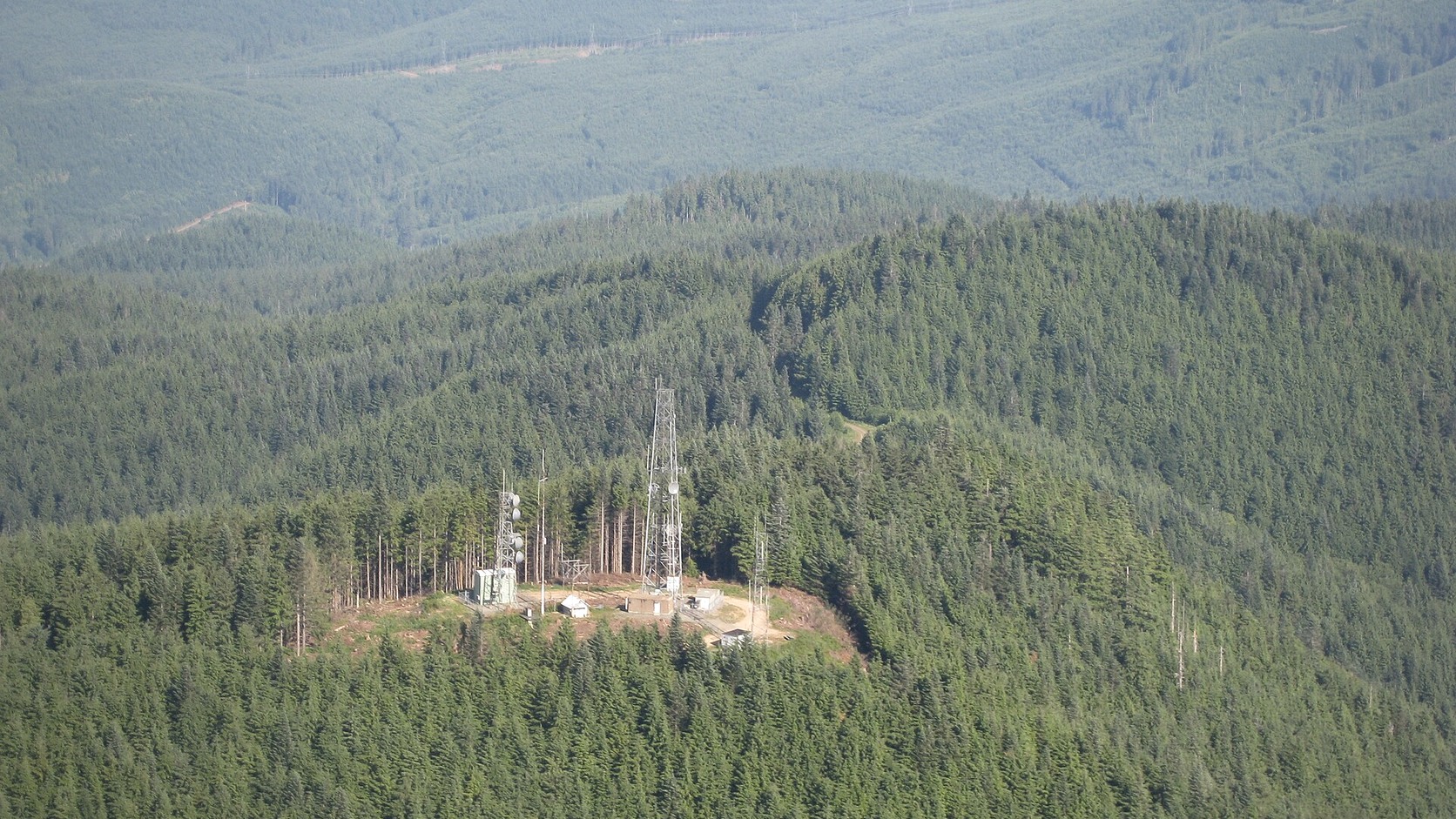
▲ Counterfeit Checks — The Conclusion I Abandoned
Final Reason: The Results I Reached
The Max Headroom incident is not a message, but a technology crime that has taken over the transmission path. Recorded footage remains, but the sender is gone.
This conclusion is not a complete final decision. It is a direction that requires the least assumptions in the currently disclosed records and explains the most clues at the same time. It can be corrected when new evidence comes out. However, it is also clear that the conclusion changes when it comes out. Reliable original records, verifiable legal and scientific data, and independent evidence that directly connects objects and people are needed.
I don't write that I closed the case. Instead, write how far you can close it. That boundary is the result of this investigation. The fun of the mystery is not that anything is possible. It is in finding out what can be thrown away among the possible explanations.
▲ Final Judgment — Description that requires the least assumption
Additional Investigation Records 1. Redraw the Timeline
At dawn, the event table was re-opened. This time, the conclusion was obscured and only the record was, "The two signal intrusions occurred on different stations on the same day." Events that I thought I already knew will take on a completely different shape if I erase the conclusion. I connected the place and time in a line and wrote the minimum time required to travel. The space between the records was marked with a blank square without filling it with imagination. The larger the square, the less reliable the hypothesis explaining the section was.
On top of that, I put the hypothesis that "an insider or a former worker who knows broadcasting technology." At first, everything seemed to fit. However, when the question, "How much does aiming for the two broadcasting stations on the same night suggest advance reconnaissance?" was substituted, the weak part of the explanation was revealed. Hypothesis must endure question. If you keep calling new people or coincidences to avoid questioning, from that moment on, it becomes creation, not reasoning. I only used the sense of creation in the atmosphere of the sentence and did not put it in the place of fact.
The result I got from this section is not the name of the criminal or the complete decryption. Instead, it became clear which explanations required fewer assumptions and what would be reversed if new findings were made. Even if the case is not completed, it is possible to narrow the scope of the investigation. This record is intended to leave that narrow boundary.
Further investigation records 2. Missing links
At dawn, the event table was reopened. This time, the conclusion was obscured and only a record was left: "It is highly likely that the intruder understood the broadcast link frequency and transmission direction." Events that you thought you already knew will take on a completely different shape if you erase the conclusion. I connected the place and time in a line and wrote the minimum time required to move. The spaces between the records were marked with blank squares instead of filled in by imagination. The larger the square, the less reliable the hypothesis that explains the section.
On top of it, I put the hypothesis that "the show and play of technology hobbyists." At first, everything seemed to fit. However, when the question, "Is the comment in the video a clue of motivation or a noise that interferes with tracking?" was substituted, the weak part of the explanation was revealed. Hypotheses must endure questions. If you keep calling new people or coincidences to avoid questions, from that moment on, it becomes creation, not reasoning. I used my sense of creation only in the atmosphere of the sentence and did not put it in the place of fact.
The result I got from this section is not the name of the criminal or the complete decryption. Instead, it became clear which explanations required fewer assumptions and what would be reversed if new findings were made. Even if the case is not completed, it is possible to narrow the scope of the investigation. This record is intended to leave that narrow boundary.
Additional Investigation Records 3. Eyewitness Distance
At dawn, the event table was re-opened. This time, the conclusion was obscured and only a record was left saying, "The FCC and the FBI investigated, but no one has been publicly prosecuted." Cases that I thought I already knew will take on a completely different shape if I erase the conclusion. I connected the place and time in a single line and wrote the minimum time required to travel. The gaps between the records were marked with blank squares instead of filled in by imagination. The larger the square, the less reliable the hypothesis that explains the section.
On top of that, I put the hypothesis that "a small group dissatisfied with local broadcasting". At first, everything seemed to fit. However, when the question "How much will equipment access narrow the scope of the suspect at the time?" was substituted, the weak part of the explanation was revealed. Hypothesis must endure question. If you keep calling new people or coincidences to avoid questioning, from the moment on, it becomes creation, not reasoning. I used my sense of creation only in the atmosphere of the sentence and did not put it in the place of fact.
The result I got from this section is not the name of the criminal or the complete decryption. Instead, it became clear which explanations required fewer assumptions and what would be reversed if new findings were made. Even if the case is not completed, it is possible to narrow the scope of the investigation. This record is intended to leave that narrow boundary.
Further investigation record 4. The path through which the item passed
Early in the morning, the event chart was opened again. This time, he only covered up the conclusion and left a record saying, "The lines and props in the video look like satire in the broadcasting industry, but there was no clear demand." Even incidents that he thought he already knew will take on a completely different shape if the conclusion is deleted. I connected the place and time in a single line and wrote the minimum time required for movement. The space between the records was marked with an empty square without filling it with imagination. The larger the square, the lower the reliability of the hypothesis explaining the section.
On top of that, I put the hypothesis that "an insider or a former worker who knows broadcasting technology." At first, everything seemed to fit. However, when the question, "How much does aiming for the two broadcasting stations on the same night suggest advance reconnaissance?" was substituted, the weak part of the explanation was revealed. Hypothesis must endure question. If you keep calling new people or coincidences to avoid questioning, from that moment on, it becomes creation, not reasoning. I only used the sense of creation in the atmosphere of the sentence and did not put it in the place of fact.
The result I got from this section is not the name of the criminal or the complete decryption. Instead, it became clear which explanations required fewer assumptions and what would be reversed if new findings were made. Even if the case is not completed, it is possible to narrow the scope of the investigation. This record is intended to leave that narrow boundary.
Additional Investigation Records 5. The Temptation of False Clues
At dawn, the event table was re-opened. This time, the conclusion was obscured and only the record was, "The two signal intrusions occurred on different stations on the same day." Events that I thought I already knew will take on a completely different shape if I erase the conclusion. I connected the place and time in a line and wrote the minimum time required to travel. The space between the records was marked with a blank square without filling it with imagination. The larger the square, the less reliable the hypothesis explaining the section was.
On top of it, I put the hypothesis that "the show and play of technology hobbyists." At first, everything seemed to fit. However, when the question, "Is the comment in the video a clue of motivation or a noise that interferes with tracking?" was substituted, the weak part of the explanation was revealed. Hypotheses must endure questions. If you keep calling new people or coincidences to avoid questions, from that moment on, it becomes creation, not reasoning. I used my sense of creation only in the atmosphere of the sentence and did not put it in the place of fact.
The result I got from this section is not the name of the criminal or the complete decryption. Instead, it became clear which explanations required fewer assumptions and what would be reversed if new findings were made. Even if the case is not completed, it is possible to narrow the scope of the investigation. This record is intended to leave that narrow boundary.
Additional Investigation Records 6. Reconstruction of the Last Scene
At dawn, the event table was reopened. This time, the conclusion was obscured and only a record was left: "It is highly likely that the intruder understood the broadcast link frequency and transmission direction." Events that you thought you already knew will take on a completely different shape if you erase the conclusion. I connected the place and time in a line and wrote the minimum time required to move. The spaces between the records were marked with blank squares instead of filled in by imagination. The larger the square, the less reliable the hypothesis that explains the section.
On top of that, I put the hypothesis that "a small group dissatisfied with local broadcasting". At first, everything seemed to fit. However, when the question "How much will equipment access narrow the scope of the suspect at the time?" was substituted, the weak part of the explanation was revealed. Hypothesis must endure question. If you keep calling new people or coincidences to avoid questioning, from the moment on, it becomes creation, not reasoning. I used my sense of creation only in the atmosphere of the sentence and did not put it in the place of fact.
The result I got from this section is not the name of the criminal or the complete decryption. Instead, it became clear which explanations required fewer assumptions and what would be reversed if new findings were made. Even if the case is not completed, it is possible to narrow the scope of the investigation. This record is intended to leave that narrow boundary.
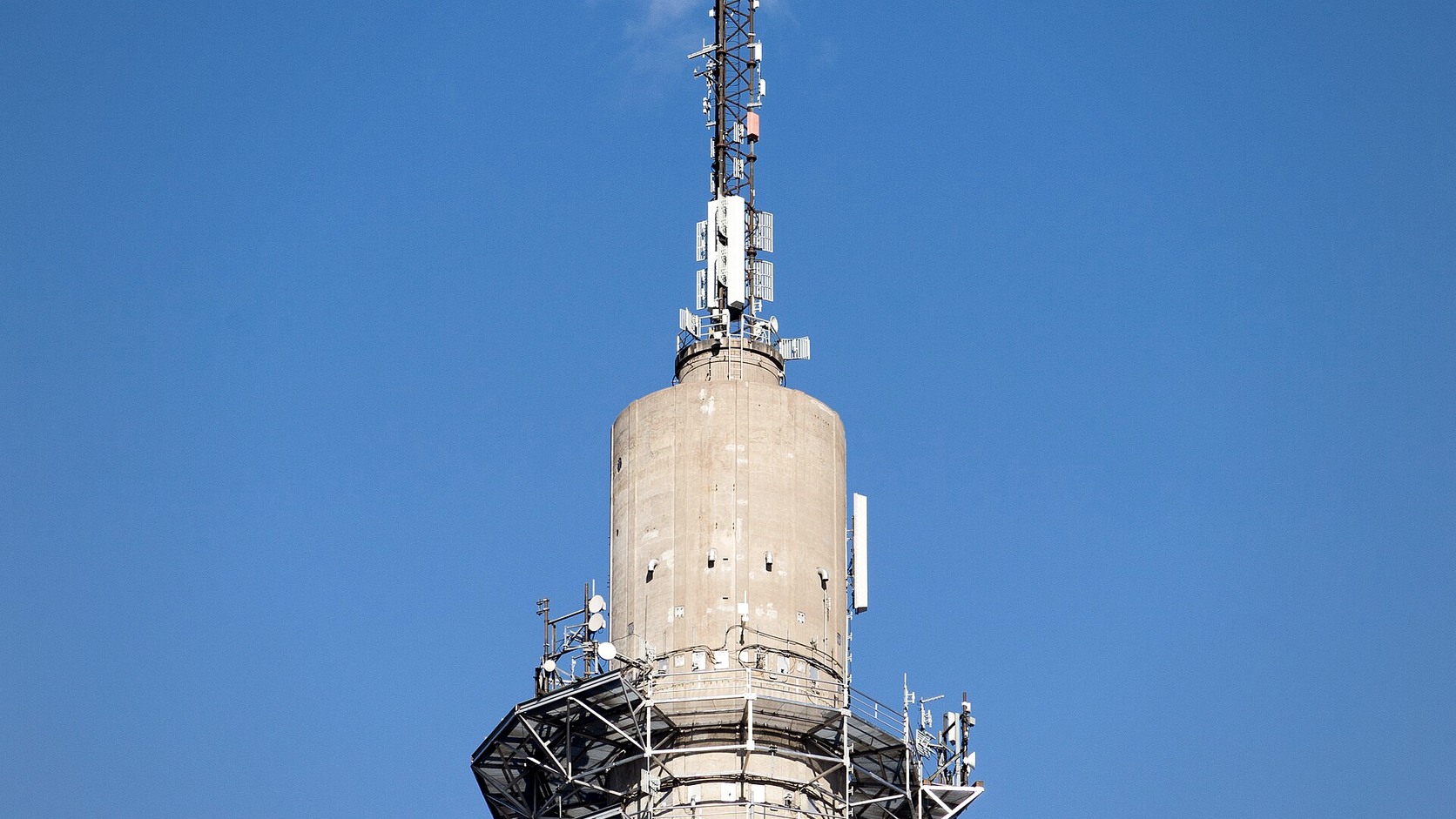
▲ End of investigative record — questions still to be asked
· WTTW — Max Headroom Incident
· FCC — Broadcast signal intrusion
※ This article is a commentary in the form of personal investigation records based on public records and reliable data. We have distinguished between facts and reasoning, and when a new official announcement is made, the judgment is updated.
Image Source and Edit
We used Wikipedia Commons public license data cut, ratio adjustment, and color correction to fit the body flow. Circles with generated images are not included in the list below.
- Chicago (ILL) River North, Marina city, 1964.jpg — Vincent Desjardins from Paris, France, CC BY 2.0
- LocalservicesLakeMountain.jpg — Milonica, CC BY-SA 3.0
- Chicago (ILL) River North, Marina city, 1964 (1).jpg — Vincent Desjardins from Paris, France, CC BY 2.0
- RAN-IFR 2013 D2 97.JPG — Saberwyn, CC BY-SA 3.0
- Bell telephone magazine (1922) (14569455609).jpg — Internet Archive Book Images, Public domain
- KSTP Satellite Truck (15784156646).jpg — Tony Webster from Portland, Oregon, United States, CC BY 2.0
- Chicago (ILL) River North, Marina city, 1964 (4824413679).jpg — (vincent desjardins) from Paris, France, CC BY 2.0
- Tiger Mountain Antennas.jpg — brewbooks from near Seattle, USA, CC BY-SA 2.0
- Chicago (ILL) River North, Marina city, 1964 (4825030288).jpg — (vincent desjardins) from Paris, France, CC BY 2.0
- Pasilan linkkitorni (2 of 3).jpg — 121a0012, CC BY 4.0