Three Fort Worth girls missing
a car left in the shopping mall's parking lot
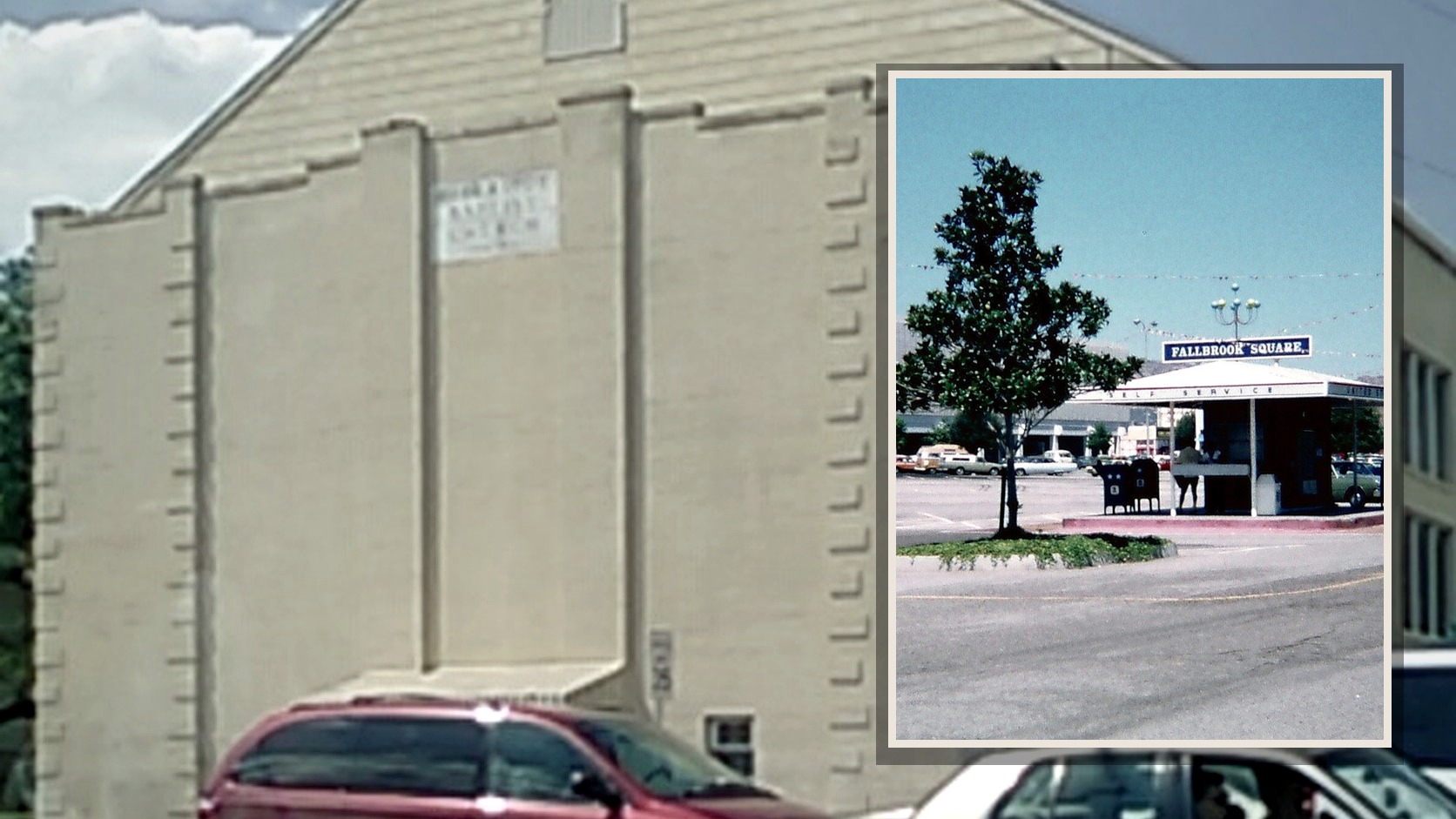
On December 23, 1974, Rachel Tririca and Lisa Wilson and Julie Moseley, who went to the Seminary South Shopping Centre in Fort Worth to shop for Christmas, did not return home.
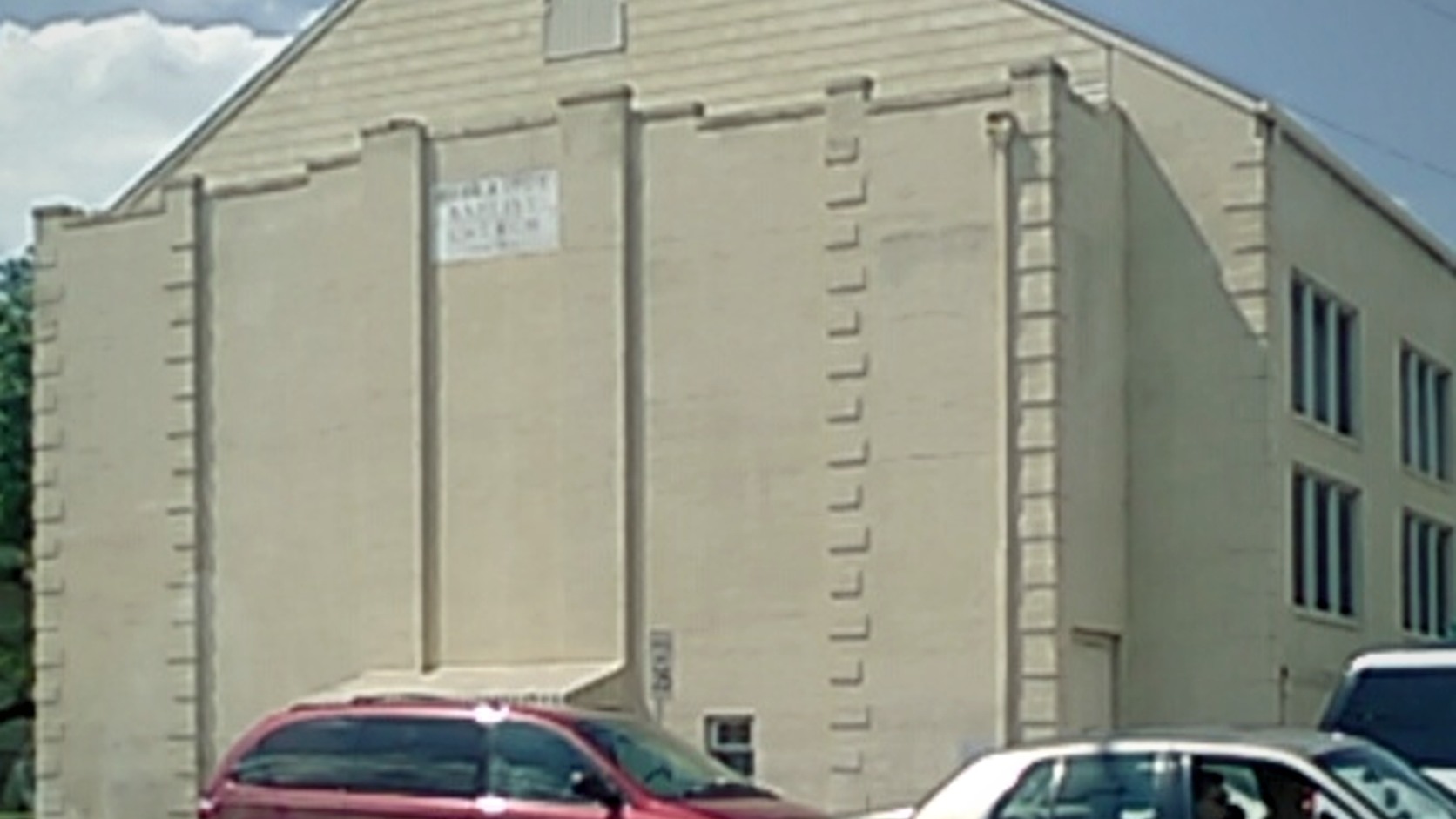
I have the lowest evaluation of the explanation that the three people voluntarily ran away for a long time. There is a lack of known preparation traces and the letters seem rather like artificial safeguards. Planned encounters or controlled vehicle movement are the most likely, but there is no public evidence to point out the culprit.
Prologue: A Record-Breaking Night
After the night deepened, the data were unfolded on the desk. The first thing that caught my eyes was not the answer but the imbalance. Some scenes were as clear as a picture and some time zones were entirely empty. People try to hold on to one clear scene and explain the whole thing, but I marked the empty section first. Mysteries can arise because there are many clues, but sometimes the distance between them is too far.
The three men's car was found in the parking lot of a shopping center. A short letter sent to her husband in Rachel's name arrived the next day, but questions remained surrounding the sentence and handwriting. As the possibility of running away from home was greatly addressed in the early stages, there was no opportunity to immediately systematize sightings of cars entering and leaving stores.
I read the famous hypothesis at the end on purpose. When I come to the conclusion first, it seems that all objects and symbols exist for that conclusion. So, I organized the timetable, place, object, and original text first, and put the witness and interpretation in a different compartment. The novel-like atmosphere was not a made-up secret but from the cold texture of the actual record.

Case Files: What I Could Believe
| Number | Verified Records | Current Reliability |
|---|---|---|
| 1 | The three girls disappeared on December 23, 1974 after going to Seminary South Shopping Center. | High |
| 2 | The car that Rachel drove remained in the parking lot of the shopping center. | High |
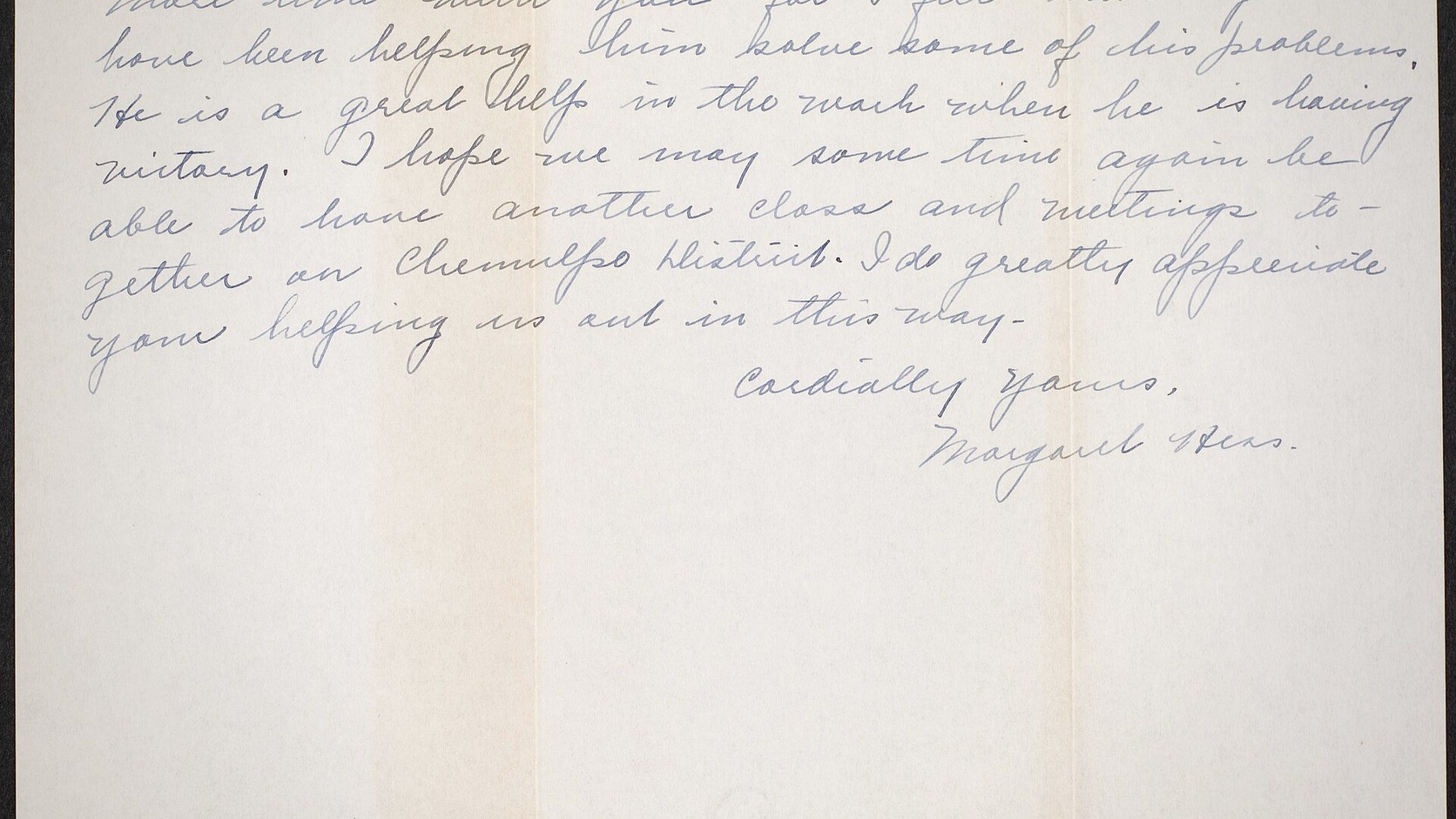
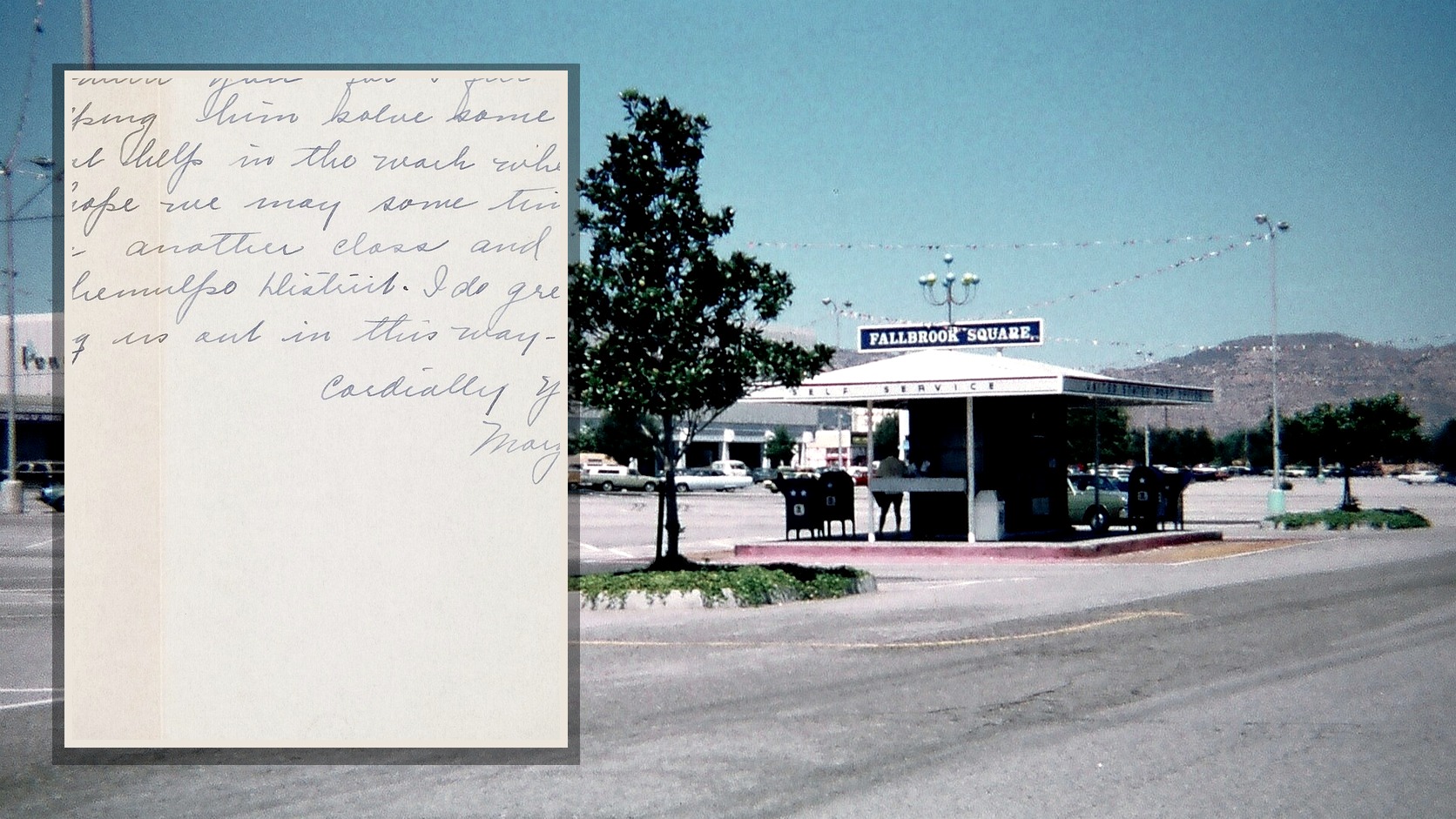
| 3 | Later, a letter under Rachel's name arrived at the family, but the author and the writing status were not confirmed. | High |
| 4 | No independent evidence of the three men preparing to leave the organ was disclosed. | the middle |
| 5 | The time of the last verified sighting on the day of the disappearance is much narrower than several later claims. | the middle |
The last location inside the shopping center, the reason for leaving the car, the author of the letter and the actual place of sending it were not resolved.
'Unexplained' is not the same as 'supernatural', 'a huge conspiracy', and 'Only this hypothesis is possible'. I didn't count the blanks as evidence. I changed the place
Reconfiguring Scene: The Last Definite Point
to an actual movement line, not a stage in my head. The starting point, the last check point, and the location where the item was found were divided, and the minimum time required was calculated in the meantime. When I removed the dramatic description of the later generation, small and specific elements such as sound and lighting, doors and roads, paper and ink, and the interval between symbols came forward.
Without concluding the character's mind, I wrote down the action first. The same behavior can also appear due to fear, planning, error, and fatigue. If it is a code, the same symbol can also be sound, words, separator, and meaningless signs. After writing down all possible roles, I erased the roles that conflict with other records one by one.
Clue 1. The three girls disappeared on December 23, 1974 after going to Seminary South Shopping Center.
I first divided this sentence into three pieces. It indicates who first checked it, how close the confirmation took place to the incident, and where the later interpretation was attached. Old events and passwords become clearer stories than the original text while being repeatedly cited. However, clarity is not the same as accuracy. In my notebook, I separated the direct record, traces of objects, and future reasoning into different colors.
Then, we ran this clue against the record of "The vehicle that Rachel drove remained in the parking lot of the shopping center." If one hypothesis explains only the first sentence and avoids the second sentence, it is not a good hypothesis. In particular, if you fail to pass the question "Who was the approacher that all three of us would not have been wary of?" the attractive explanation also lowered the score. I saw clues that made the conclusion uncomfortable rather than clues that made the conclusion cool.
If you look at the clues in this way, the case seems a little less dramatic. Instead, you have a boundary between how far you can tell and where you can imagine it. That boundary is needed to correct reasoning when new data comes out. The most dangerous moment in the unsolved record is not when making a false hypothesis, but when it is replaced with a sentence of fact.
Clue 2. The vehicle driven by Rachel remained in the parking lot of the shopping center.
I first divided this sentence into three pieces. It indicates who first checked it, how close the confirmation took place to the incident, and where the later interpretation was attached. Old events and passwords become clearer stories than the original text while being repeatedly cited. However, clarity is not the same as accuracy. In my notebook, I separated the direct record, traces of objects, and future reasoning into different colors.
This clue was then matched with a record of, "A letter under Rachel's name has since arrived at the family, but the author and the writing situation have not been confirmed." It is not a good hypothesis if one hypothesis only explains the first sentence and avoids the second sentence. In particular, if you fail to pass the question, "Does the letter's paper, mail postmark, and handwriting refer to one person's intervention?" In particular, the score of the attractive explanation was lowered. I saw clues that made the conclusion uncomfortable rather than clues that made it cool.
If you look at the clues in this way, the case seems a little less dramatic. Instead, you have a boundary between how far you can tell and where you can imagine it. That boundary is needed to correct reasoning when new data comes out. The most dangerous moment in the unsolved record is not when making a false hypothesis, but when it is replaced with a sentence of fact.
Clue 3. Later, a letter under the name of Rachel arrived at the family, but the author and the status of the writing were not confirmed.
I first divided this sentence into three pieces. It indicates who first checked it, how close the confirmation took place to the incident, and where the later interpretation was attached. Old events and passwords become clearer stories than the original text while being repeatedly cited. However, clarity is not the same as accuracy. In my notebook, I separated the direct record, traces of objects, and future reasoning into different colors.
This clue was then matched with the record that "independent evidence that three people were preparing for a long-term departure has not been disclosed." It is not a good hypothesis if one hypothesis only explains the first sentence and avoids the second sentence. In particular, if you fail to pass the question "Which exit makes the parking location and shopping route the closest?" the attractive explanation also lowered the score. I looked at clues that made the conclusion uncomfortable rather than clues that made the conclusion cool.
If you look at the clues in this way, the case seems a little less dramatic. Instead, you have a boundary between how far you can tell and where you can imagine it. That boundary is needed to correct reasoning when new data comes out. The most dangerous moment in the unsolved record is not when making a false hypothesis, but when it is replaced with a sentence of fact.
Clue 4. No independent evidence of the three preparing for a long-term departure was disclosed.
I first divided this sentence into three pieces. It indicates who first checked it, how close the confirmation took place to the incident, and where the later interpretation was attached. Old events and passwords become clearer stories than the original text while being repeatedly cited. However, clarity is not the same as accuracy. In my notebook, I separated the direct record, traces of objects, and future reasoning into different colors.
Then, we ran this clue against a record that says, "The verified timing of the last sighting on the day of disappearance is much narrower than many later claims." It is not a good hypothesis if one hypothesis only explains the first sentence and avoids the second sentence. In particular, the attractive explanation also lowered the score if it did not pass the question, "Who was the approach that all three of us would not have been wary of?" I saw clues that made the conclusion uncomfortable rather than clues that made it cool.
If you look at the clues in this way, the case seems a little less dramatic. Instead, you have a boundary between how far you can tell and where you can imagine it. That boundary is needed to correct reasoning when new data comes out. The most dangerous moment in the unsolved record is not when making a false hypothesis, but when it is replaced with a sentence of fact.
Clue 5. The time of the last verified sighting on the day of disappearance is much narrower than several later claims.
I first divided this sentence into three pieces. It indicates who first checked it, how close the confirmation took place to the incident, and where the later interpretation was attached. Old events and passwords become clearer stories than the original text while being repeatedly cited. However, clarity is not the same as accuracy. In my notebook, I separated the direct record, traces of objects, and future reasoning into different colors.
This clue was then followed by a record of "The three girls disappeared on December 23, 1974 after they went to Seminary South Shopping Center." It is not a good hypothesis if one only explains the first sentence and avoids the second sentence. In particular, if one fails to pass the question, "Does the letter's paper, mail postmark, and handwriting refer to one person's intervention?" In particular, the attractive explanation score was lowered. I looked at clues that made the conclusion uncomfortable rather than clues that made the conclusion cool.
If you look at the clues in this way, the case seems a little less dramatic. Instead, you have a boundary between how far you can tell and where you can imagine it. That boundary is needed to correct reasoning when new data comes out. The most dangerous moment in the unsolved record is not when making a false hypothesis, but when it is replaced with a sentence of fact.
Putting the three hypotheses on the same scale, the
The hypothesis was not evaluated in a cool sentence. The number of clues to be explained, the number of newly requested families, and the degree to which they withstood the opposite evidence were written, respectively. Even if one clue is fully explained, it is not a good hypothesis if the rest of the records have to be discarded.
Hypothesis A. I met someone I trusted, left the vehicle, and moved to another car.
This explanation has the advantage of accepting "the three girls disappeared on December 23, 1974 after going to Seminary South Shopping Center" as a relatively small assumption. I assumed that this hypothesis was correct and walked time and space again from scratch. Each time the characters, objects, and symbols moved to the next location, I wrote down the actions and times I needed. There must have been a hidden assumption at the point where the sentence was cut off.
The main weakness is that it does not fully explain "the letter under Rachel's name has since arrived at the family, but the author and the writing situation have not been confirmed." Anything can be explained by continuing to add accomplices, coincidences, or lost items to keep the hypothesis alive. However, such explanations do not predict new clues. I only scored when two independent records pointed in the same direction, and I scored every time I called in a new exception.
So whether to adopt this hypothesis as a conclusion was judged not by the atmosphere, but by the cost. The number of clues to be explained, the number of newly requested families, and the degree to which they withstood the opposite evidence are listed in the same table. The fictional scenes were used to show the texture of facts, but not as evidence to fill in the blanks.
Hypothesis B. Threatened by strangers in the parking lot, the three moved together.
This explanation has the advantage of accepting "The vehicle driven by Rachel remained in the parking lot of the shopping center" as a relatively small assumption. I assumed that this hypothesis was correct and walked time and space again from the beginning. Whenever people, objects, and symbols moved to the next location, I wrote down the actions and time needed. There was always a hidden assumption at the point where the sentence was cut off.
The main weakness is that it does not fully explain "the independent evidence that the three have prepared for a long-term departure has not been disclosed." Anything can be explained by continuing to add accomplices, coincidences, or lost items to keep the hypothesis alive. However, such an explanation does not predict new clues. I only scored when two independent records pointed in the same direction, and I scored every time I called in a new exception.
So whether to adopt this hypothesis as a conclusion was judged not by the atmosphere, but by the cost. The number of clues to be explained, the number of newly requested families, and the degree to which they withstood the opposite evidence are listed in the same table. The fictional scenes were used to show the texture of facts, but not as evidence to fill in the blanks.
Hypothesis C. Letters were written or forced to buy time after the crime.
This explanation has the advantage of accepting as a relatively small assumption that "a letter under the name of Rachel later arrived at the family, but the author and the writing situation were not confirmed." I assumed that this hypothesis was correct and walked time and space again from the beginning. Each time the characters, objects, and symbols moved to the next location, I wrote down the actions and time needed. There must be a hidden assumption at the point where the sentence was cut off.
The biggest weakness is that it does not fully explain "the verified last sighting on the day of disappearance is much narrower than many later claims." Anything can be explained by continuing to add accomplices, coincidences, and lost items to keep the hypothesis alive. However, such explanations do not predict new clues. I only scored when two independent records pointed in the same direction, and I scored every time I called in a new exception.
So whether to adopt this hypothesis as a conclusion was judged not by the atmosphere, but by the cost. The number of clues to be explained, the number of newly requested families, and the degree to which they withstood the opposite evidence are listed in the same table. The fictional scenes were used to show the texture of facts, but not as evidence to fill in the blanks.

The conclusions I abandoned
I was also drawn to the most famous explanation at the beginning of the investigation. It organized the case into one sentence and gave everything intention. However, each blank required a new coincidence when compared to the original record. Then I erased the conclusion and started again. Good reasoning is not about adding anything, but about removing unnecessary assumptions.
The fact that there are cars left shifts the center of the incident to the "moment of changing the vehicle" rather than the "chase on the road." It seems impossible for a sole kidnapper because the three people disappeared at the same time, but an instruction disguised as an acquaintance or authority can make a short movement without physical force.
In particular, the details repeated on later articles and the Internet were separated from the source. Just because the same sentence appears in multiple places does not mean that there are multiple independent sources. The possibility that one error was duplicated was first confirmed. After this process, the case became less colorful, but the weight of the remaining clues increased.

Counter-Evidence: Sentence to Break My Reason
The investigation will be completed quickly if I gather data that upholds my conclusion. So I put three of the most uncomfortable questions next to my conclusion.
- Who were the approaches that all three would not have been wary of
- Does the letter's paper, mail postmark, and handwriting refer to one's intervention
- Which exit do parking locations and shopping routes bring closest
These questions are not decorative. It is a switch that will change its conclusion when new data is introduced. The ranking of hypotheses changes immediately when information directly linked to each other, such as the original witness, preserved physical evidence, comparative sample of the same author, and independent dating, is released. On the contrary, when the phrase "likely" increased, the ranking did not change.

Final Reason: The Results I Reached
I have the lowest evaluation of the explanation that the three people voluntarily ran away for a long time. There is a lack of known preparation traces and the letters seem rather like artificial safeguards. Planned encounters or controlled vehicle movement are the most likely, but there is no public evidence to point out the culprit.
This conclusion is not a complete final judgment. It is the direction to require the least assumptions in the currently disclosed records and to explain the most clues at the same time. It is also clear what changes the conclusion. Reliable original records, verifiable legal and scientific data, and independent evidence directly linking people and objects are needed.
I don't write that I closed the case. Instead, write down how far you can close it. That boundary is the result of this investigation. The fun of the mystery is not that anything is possible. It is to find out what you can throw away among the possible explanations.

Additional Research Record 1. Redraw the Timeline
Re-expanding the data on the desk, this time obscuring the conclusion. The place and time were lined up, leaving only "The three girls disappeared on December 23, 1974 after going to Seminary South Shopping Center." Unconfirmed sections were marked with blank squares instead of filled in by imagination. The larger the square, the less reliable the hypothesis to pass through it.
On top of it, I tried to post the explanation, "I met a person I trusted, left the vehicle, and moved to another car." At first, everything seemed right, but when the question "Who was the approach that all three of them would not have been wary of?" was substituted, a weak connection was revealed. Hypothesis must endure question. If you keep calling new coincidences to avoid questioning, from the moment on, you will create, not reasoning.
The result obtained from this section is not a confirmed criminal or a complete plaintext. Instead, it became clear which explanations required fewer assumptions, and what was found would flip the ranking. Even if the case is not completed, the scope of the investigation can be narrowed. This record is intended to leave that narrow boundary.
Further investigation records 2. Missing links
The data was unfolded again on the desk, and this time the conclusion was obscured. The place and time were lined up, leaving only "The vehicle that Rachel drove remained in the parking lot of the shopping center." Unconfirmed sections were marked with blank squares without imagination. The larger the square, the lower the reliability of the hypothesis to pass through the section.
On top of it, I tried to post an explanation, "Those three moved together because they were threatened by a stranger in the parking lot." At first, everything seemed to be right, but when the question "Does the paper, mail postmark, and handwriting of the letter refer to one person's intervention", a weak connection was revealed. Hypothesis must endure question. If you keep calling new coincidences to avoid questioning, from the moment on, it becomes creation, not reasoning.
The result obtained from this section is not a confirmed criminal or a complete plaintext. Instead, it became clear which explanations required fewer assumptions, and what was found would flip the ranking. Even if the case is not completed, the scope of the investigation can be narrowed. This record is intended to leave that narrow boundary.
Further investigation record 3. The path of movement of objects
The data was re-opened on the desk, and this time the conclusion was obscured. The place and time were continued in one line, leaving only "A letter under the name of Rachel arrived at the family, but the author and the writing situation were not confirmed." Unconfirmed sections were marked with blank squares without filling in with imagination. The larger the square, the lower the reliability of the hypothesis that had to pass through the section.
On top of it, I posted an explanation that "the letter was written or forced to buy time after the crime." At first, everything seemed to be right, but when the question "Which exit makes the parking location and the shopping route the closest?" was substituted, a weak connection was revealed. Hypothesis must endure question. If you keep calling new coincidences to avoid questions, from the moment on, you will create, not reasoning.
The result obtained from this section is not a confirmed criminal or a complete plaintext. Instead, it became clear which explanations required fewer assumptions, and what was found would flip the ranking. Even if the case is not completed, the scope of the investigation can be narrowed. This record is intended to leave that narrow boundary.
Further Survey Record 4. Opposite Hypothesis Night
The data was unfolded again on the desk, and this time the conclusion was obscured. The place and time were continued in a line, leaving only "independent evidence that the three prepared for a long-term departure was not disclosed." The unconfirmed section was not filled with imagination but marked with an empty square. The larger the square, the lower the reliability of the hypothesis that had to pass through the section.
On top of it, I tried to post the explanation, "I met a person I trusted, left the vehicle, and moved to another car." At first, everything seemed right, but when the question "Who was the approach that all three of them would not have been wary of?" was substituted, a weak connection was revealed. Hypothesis must endure question. If you keep calling new coincidences to avoid questioning, from the moment on, you will create, not reasoning.
The result obtained from this section is not a confirmed criminal or a complete plaintext. Instead, it became clear which explanations required fewer assumptions, and what was found would flip the ranking. Even if the case is not completed, the scope of the investigation can be narrowed. This record is intended to leave that narrow boundary.
Further Survey Record 5. Distance between record and memory
The data were unfolded again on the desk and this time the conclusion was covered. The place and time were continued in one line, leaving only "the verified last time of sighting on the day of disappearance was much narrower than several later claims." The unconfirmed section was not filled with imagination but marked with an empty square. The larger the square, the lower the reliability of the hypothesis to pass through the section.
On top of it, I tried to post an explanation, "Those three moved together because they were threatened by a stranger in the parking lot." At first, everything seemed to be right, but when the question "Does the paper, mail postmark, and handwriting of the letter refer to one person's intervention", a weak connection was revealed. Hypothesis must endure question. If you keep calling new coincidences to avoid questioning, from the moment on, it becomes creation, not reasoning.
The result obtained from this section is not a confirmed criminal or a complete plaintext. Instead, it became clear which explanations required fewer assumptions, and what was found would flip the ranking. Even if the case is not completed, the scope of the investigation can be narrowed. This record is intended to leave that narrow boundary.
· Fort Worth Police — Missing Persons
· Fort Worth Missing Trio archive
※ This article is a commentary in the form of personal survey records based on public records and reliable data. I have distinguished between confirmed facts and my reasoning, and when a new official announcement is made, the judgment is updated. Some colors and compositions were edited according to the permitted license conditions, and each image source was indicated in the caption.