Missing Emanuela Orlandi
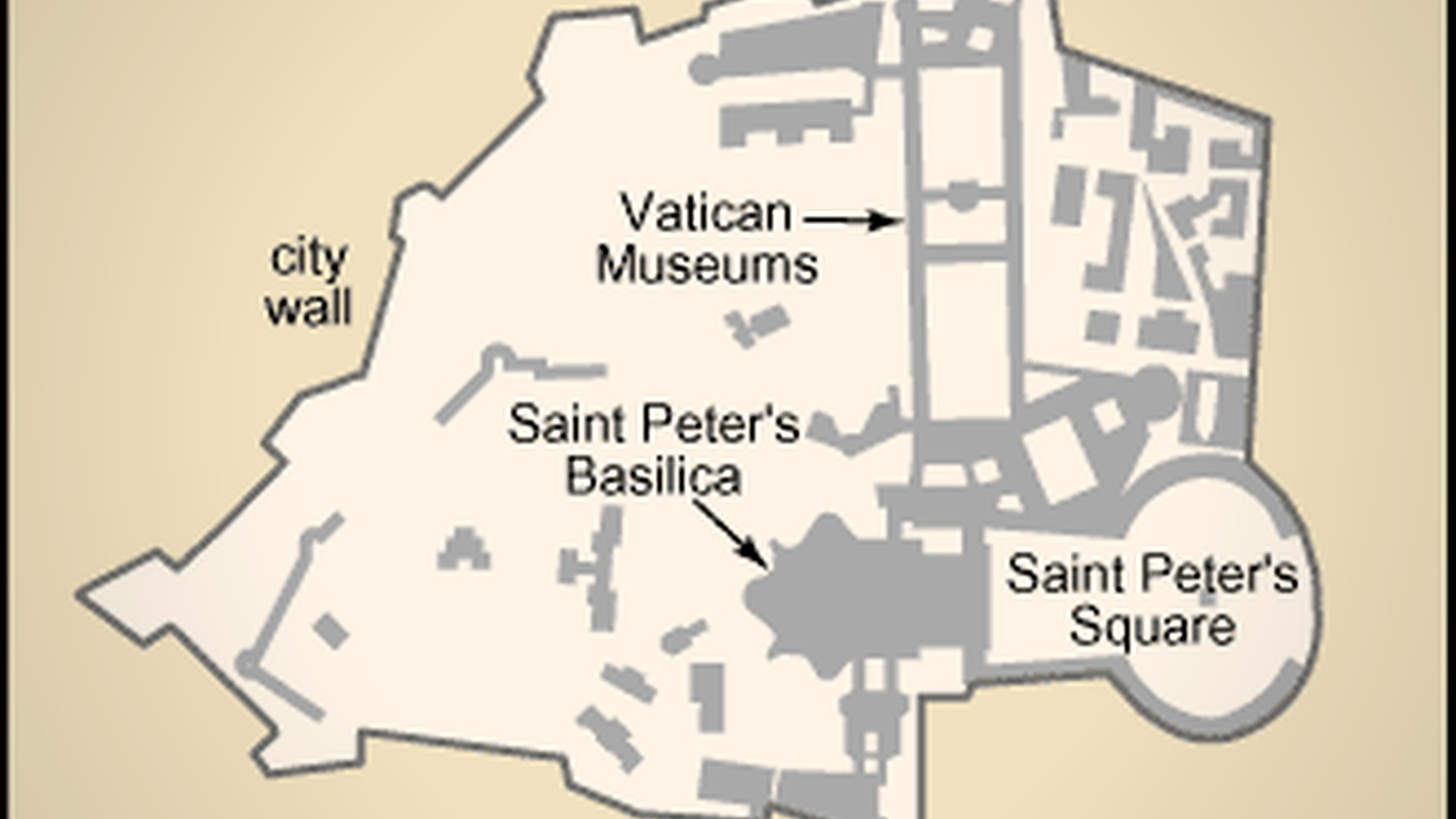
Missing Emanuela Orlandi The last phone outside the walls of the Vatican
On the evening of June 22, 1983, 15-year-old Emanuela Orlandi, a Vatican citizen, did not return home after finishing music classes in Rome.
Current public materials require fewer assumptions than huge political maneuvers for opportunity-based inducements or personal crimes around music schools. However, the possibility of planned kidnapping cannot be excluded because the original call and private investigation records are not sufficiently disclosed.
Prologue: A Record-Breaking Night
After the night deepened, the data were unfolded on the desk. The first thing that caught my eyes was not the answer but the imbalance. Some scenes were as clear as a picture and some time zones were entirely empty. People try to hold on to one clear scene and explain the whole thing, but I marked the empty section first. Mysteries can arise because there are many clues, but sometimes the distance between them is too far.
That day, Emanuela told his family by phone that he had been offered a job promoting cosmetics. After the disappearance, there was a mixture of originators called 'Americans', demands for the release of Pope assassins, and rumors of involvement in a criminal organization. Decades later, a search of graves and buildings followed, and the Vatican delivered related data for 2023 to the Roman prosecution.
I read the famous hypothesis at the end on purpose. When I come to the conclusion first, it seems that all objects and symbols exist for that conclusion. So, I organized the timetable, place, object, and original text first, and put the witness and interpretation in a different compartment. The novel-like atmosphere was not a made-up secret but from the cold texture of the actual record.
Case Files: What I Could Believe
| Number | Verified Records | Current Reliability |
|---|---|---|
| 1 | Emanuela disappeared on June 22, 1983, after a music class in Rome. | High |
| 2 | On the day of his disappearance, there was a phone call to the effect that he had received an offer to promote Avon from his family. | High |
| 3 | Follow-up calls gave different demands and explanations, and the sender's identity was not identified. | High |
| 4 | The bone fragment from the 2019 search for Teuton Cemetery was judged to be much earlier than the disappearance of Emanuela. | the middle |
| 5 | Vatican law enforcement officials said they had delivered the 2023 investigation data to an Italian investigative agency. | the middle |
The exact movement after leaving the music school, the identity of the promoter, and the relationship between the phone callers and the actual disappearance have not been confirmed.
'Unexplained' is not the same as 'supernatural', 'a huge conspiracy', and 'Only this hypothesis is possible'. I didn't count the blanks as evidence. I changed the place
Reconfiguring Scene: The Last Definite Point
to an actual movement line, not a stage in my head. The starting point, the last check point, and the location where the item was found were divided, and the minimum time required was calculated in the meantime. When I removed the dramatic description of the later generation, small and specific elements such as sound and lighting, doors and roads, paper and ink, and the interval between symbols came forward.
Without concluding the character's mind, I wrote down the action first. The same behavior can also appear due to fear, planning, error, and fatigue. If it is a code, the same symbol can also be sound, words, separator, and meaningless signs. After writing down all possible roles, I erased the roles that conflict with other records one by one.
Clue 1. Emmanuela disappeared on June 22, 1983 after a music class in Rome.
I first divided this sentence into three pieces. It indicates who first checked it, how close the confirmation took place to the incident, and where the later interpretation was attached. Old events and passwords become clearer stories than the original text while being repeatedly cited. However, clarity is not the same as accuracy. In my notebook, I separated the direct record, traces of objects, and future reasoning into different colors.
Then, this clue was confronted with the record that "There was a phone call to the effect of receiving an Avon promotion offer from the family on the day of disappearance." It is not a good hypothesis if one hypothesis explains only the first sentence and avoids the second sentence. In particular, if it fails to pass the question, "Did the person who made the promotion offer choose the target around the music school?" the attractive explanation also lowered the score. I saw clues that made the conclusion uncomfortable rather than clues that made the conclusion cool.
If you look at the clues in this way, the case seems a little less dramatic. Instead, you have a boundary between how far you can tell and where you can imagine it. That boundary is needed to correct reasoning when new data comes out. The most dangerous moment in the unsolved record is not when making a false hypothesis, but when it is replaced with a sentence of fact.
Clue 2. There was a phone call to the effect of receiving an Avon promotion offer from the family on the day of disappearance.
I first divided this sentence into three pieces. It indicates who first checked it, how close the confirmation took place to the incident, and where the later interpretation was attached. Old events and passwords become clearer stories than the original text while being repeatedly cited. However, clarity is not the same as accuracy. In my notebook, I separated the direct record, traces of objects, and future reasoning into different colors.
Then, this clue was matched with a record saying, "Following calls gave different demands and explanations, and the caller ID was not identified." If one hypothesis explains only the first sentence and avoids the second sentence, it is not a good hypothesis. In particular, if one fails to pass the question, "Was there any information that only the criminal could know during the initial call?" the attractive explanation score was lowered. I saw the clues that made the conclusion uncomfortable rather than the clues that made it cool.
If you look at the clues in this way, the case seems a little less dramatic. Instead, you have a boundary between how far you can tell and where you can imagine it. That boundary is needed to correct reasoning when new data comes out. The most dangerous moment in the unsolved record is not when making a false hypothesis, but when it is replaced with a sentence of fact.

Clue 3. Follow-up calls made different demands and explanations, and the caller ID was not identified.
I first divided this sentence into three pieces. It indicates who first checked it, how close the confirmation took place to the incident, and where the later interpretation was attached. Old events and passwords become clearer stories than the original text while being repeatedly cited. However, clarity is not the same as accuracy. In my notebook, I separated the direct record, traces of objects, and future reasoning into different colors.
Then the clue was matched with a record saying, "A bone fragment from the 2019 search at Teuton Cemetery was determined to be from a time earlier than the disappearance of Emmanuela." It is not a good hypothesis if one hypothesis explains only the first sentence and avoids the second sentence. In particular, if one fails to pass the question, "Is there an independent evidence linking political demand with the movement on the day of disappearance?" In particular, the attractive explanation score was also lowered. I saw the clues that made the conclusion uncomfortable rather than the clues that made the conclusion cool.
If you look at the clues in this way, the case seems a little less dramatic. Instead, you have a boundary between how far you can tell and where you can imagine it. That boundary is needed to correct reasoning when new data comes out. The most dangerous moment in the unsolved record is not when making a false hypothesis, but when it is replaced with a sentence of fact.
Clue 4. The bone fragment from the search for the Teuton Cemetery in 2019 was considered to be much earlier than the disappearance of Emanuela.
I first divided this sentence into three pieces. It indicates who first checked it, how close the confirmation took place to the incident, and where the later interpretation was attached. Old events and passwords become clearer stories than the original text while being repeatedly cited. However, clarity is not the same as accuracy. In my notebook, I separated the direct record, traces of objects, and future reasoning into different colors.
Then, the clue was matched with a record that read, "Vatican law enforcement said it delivered the 2023 investigation data to an Italian investigative agency." It is not a good hypothesis if one explains only the first sentence and avoids the second sentence. In particular, if one fails to pass the question, "Did the person who made the promotion choose the target around the music school?" attractive explanation also lowered the score. I saw clues that made the conclusion uncomfortable rather than clues that made the conclusion cool.
If you look at the clues in this way, the case seems a little less dramatic. Instead, you have a boundary between how far you can tell and where you can imagine it. That boundary is needed to correct reasoning when new data comes out. The most dangerous moment in the unsolved record is not when making a false hypothesis, but when it is replaced with a sentence of fact.
Clue 5. Vatican law enforcement officials said they delivered 2023 investigation data to Italian investigative agencies.
I first divided this sentence into three pieces. It indicates who first checked it, how close the confirmation took place to the incident, and where the later interpretation was attached. Old events and passwords become clearer stories than the original text while being repeatedly cited. However, clarity is not the same as accuracy. In my notebook, I separated the direct record, traces of objects, and future reasoning into different colors.
Then the clue was matched with a record saying, "Emanuela went missing after a music class in Rome on June 22, 1983. It is not a good hypothesis if one hypothesis explains only the first sentence and avoids the second sentence. In particular, if one fails to pass the question, "Was there any information that only the criminal could know during the initial call?" attractive explanation also lowered the score. I saw the clues that made the conclusion uncomfortable rather than the clues that made it cool.
If you look at the clues in this way, the case seems a little less dramatic. Instead, you have a boundary between how far you can tell and where you can imagine it. That boundary is needed to correct reasoning when new data comes out. The most dangerous moment in the unsolved record is not when making a false hypothesis, but when it is replaced with a sentence of fact.
Putting the three hypotheses on the same scale, the
The hypothesis was not evaluated in a cool sentence. The number of clues to be explained, the number of newly requested families, and the degree to which they withstood the opposite evidence were written, respectively. Even if one clue is fully explained, it is not a good hypothesis if the rest of the records have to be discarded.
Hypothesis A. A person approached from the street lured Emmanuela with a short-term job offer.
This explanation has the advantage of accepting "Emmanuela disappeared on June 22, 1983 after a music class in Rome" as a relatively small assumption. I assumed that this hypothesis was correct and hung time and space all over again. Each time the characters, objects, and symbols moved to the next position, I wrote down the actions and times I needed. There was always a hidden assumption at the point where the sentence was cut off.
The main weakness is that it does not fully explain "the subsequent calls gave different demands and explanations, and the caller was not identified." Anything can be explained by continuing to add accomplices, coincidences, or lost items to uphold the hypothesis. However, such explanations do not predict new clues. I only scored when two independent records pointed in the same direction, and I scored every time I called in a new exception.
So whether to adopt this hypothesis as a conclusion was judged not by the atmosphere, but by the cost. The number of clues to be explained, the number of newly requested families, and the degree to which they withstood the opposite evidence are listed in the same table. The fictional scenes were used to show the texture of facts, but not as evidence to fill in the blanks.
Hypothesis B. After a personal crime, political demand calls took up the case, obscuring the original clues.
This explanation has the advantage of accepting "there was a phone call to the effect that I received an Avon promotion offer from my family on the day of my disappearance" as a relatively small assumption. I assumed that this hypothesis was correct and walked time and space again from the beginning. Whenever people, objects, and symbols moved to the next location, I wrote down the actions and time needed. At the point where the sentence was cut off, there must have been a hidden assumption.
The biggest weakness is that it does not fully explain, "The bone fragments from the 2019 search at Teuton Cemetery were determined to be from a time earlier than Emanuela's disappearance." Anything can be explained by continuing to add accomplices, coincidences, and lost items to keep the hypothesis alive. However, such explanations do not predict new clues. I only scored when two independent records pointed in the same direction, and I scored every time I called in new exceptions.
So whether to adopt this hypothesis as a conclusion was judged not by the atmosphere, but by the cost. The number of clues to be explained, the number of newly requested families, and the degree to which they withstood the opposite evidence are listed in the same table. The fictional scenes were used to show the texture of facts, but not as evidence to fill in the blanks.
Hypothesis C. Planned kidnapping of Emmanuela for Vatican status was prepared from the outset.
This explanation has the advantage of accepting "subsequent calls gave different demands and explanations, and the caller was not identified" as a relatively small assumption. I assumed that this hypothesis was correct and walked time and space again from scratch. Each time the characters, objects, and symbols moved to the next location, I wrote down the actions and times I needed. There must have been a hidden assumption at the point where the sentence was cut off.
The biggest weakness is that it does not fully explain, "Vatican law enforcement has revealed that they have forwarded the 2023 investigation data to Italian investigative agencies." Anything can be explained by continuing to add accomplices, coincidences, or lost items to keep the hypothesis alive. However, such explanations do not predict new clues. I only scored when two independent records pointed in the same direction, and I scored every time I called in a new exception.
So whether to adopt this hypothesis as a conclusion was judged not by the atmosphere, but by the cost. The number of clues to be explained, the number of newly requested families, and the degree to which they withstood the opposite evidence are listed in the same table. The fictional scenes were used to show the texture of facts, but not as evidence to fill in the blanks.
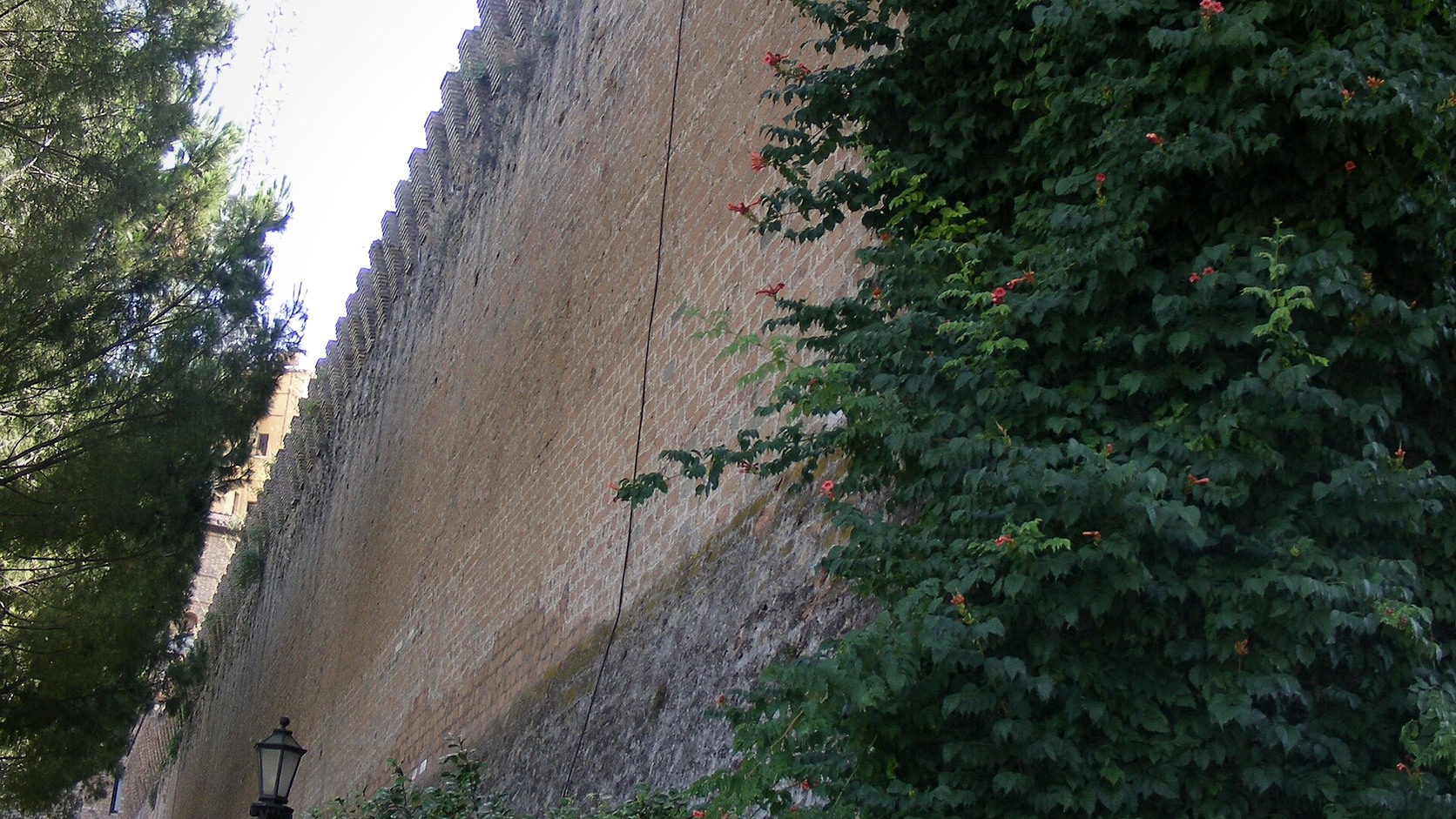
The conclusions I abandoned
I was also drawn to the most famous explanation at the beginning of the investigation. It organized the case into one sentence and gave everything intention. However, each blank required a new coincidence when compared to the original record. Then I erased the conclusion and started again. Good reasoning is not about adding anything, but about removing unnecessary assumptions.
Hypotheses involving famous people and international politics provide many scenes, but do not explain the narrow movement on the day of disappearance. I placed a short job offer directly mentioned by Emmanuela before the dramatic content of the later phone call. This is because it is the closest record to suggesting the existence of an actual accessor.
In particular, the details repeated on later articles and the Internet were separated from the source. Just because the same sentence appears in multiple places does not mean that there are multiple independent sources. The possibility that one error was duplicated was first confirmed. After this process, the case became less colorful, but the weight of the remaining clues increased.

Counter-Evidence: Sentence to Break My Reason
The investigation will be completed quickly if I gather data that upholds my conclusion. So I put three of the most uncomfortable questions next to my conclusion.
- Did the person who made the promotion offer choose the grand prize around the music school
- Was there any information that only the criminal could know during the initial call
- Is there an independent evidence linking political demands with movements on the day of disappearance
These questions are not decorative. It is a switch that will change its conclusion when new data is introduced. The ranking of hypotheses changes immediately when information directly linked to each other, such as the original witness, preserved physical evidence, comparative sample of the same author, and independent dating, is released. On the contrary, when the phrase "likely" increased, the ranking did not change.
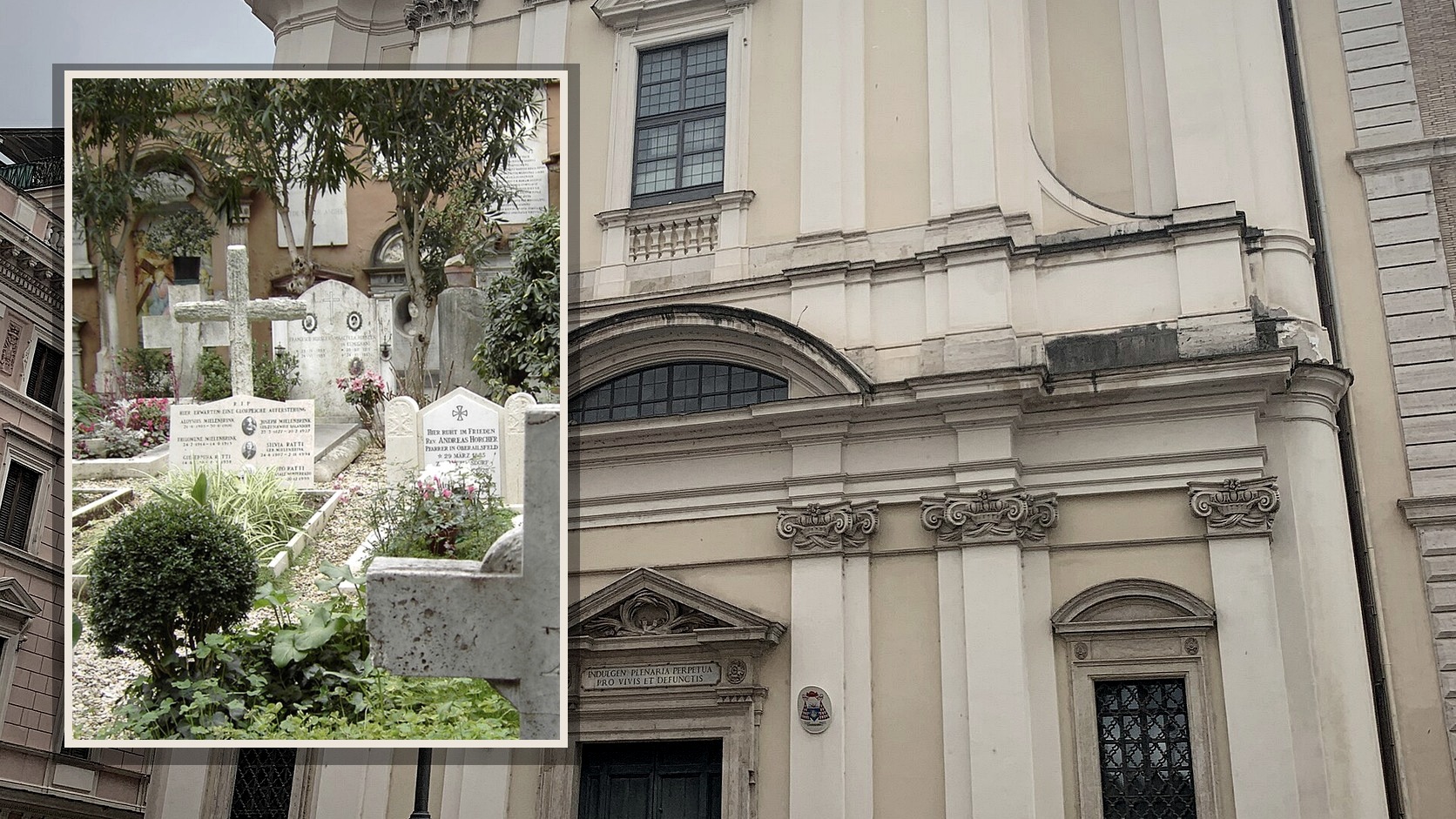
Final Reason: The Results I Reached
Current public materials require fewer assumptions than huge political maneuvers for opportunity-based inducements or personal crimes around music schools. However, the possibility of planned kidnapping cannot be excluded because the original call and private investigation records are not sufficiently disclosed.
This conclusion is not a complete final judgment. It is the direction to require the least assumptions in the currently disclosed records and to explain the most clues at the same time. It is also clear what changes the conclusion. Reliable original records, verifiable legal and scientific data, and independent evidence directly linking people and objects are needed.
I don't write that I closed the case. Instead, write down how far you can close it. That boundary is the result of this investigation. The fun of the mystery is not that anything is possible. It is to find out what you can throw away among the possible explanations.
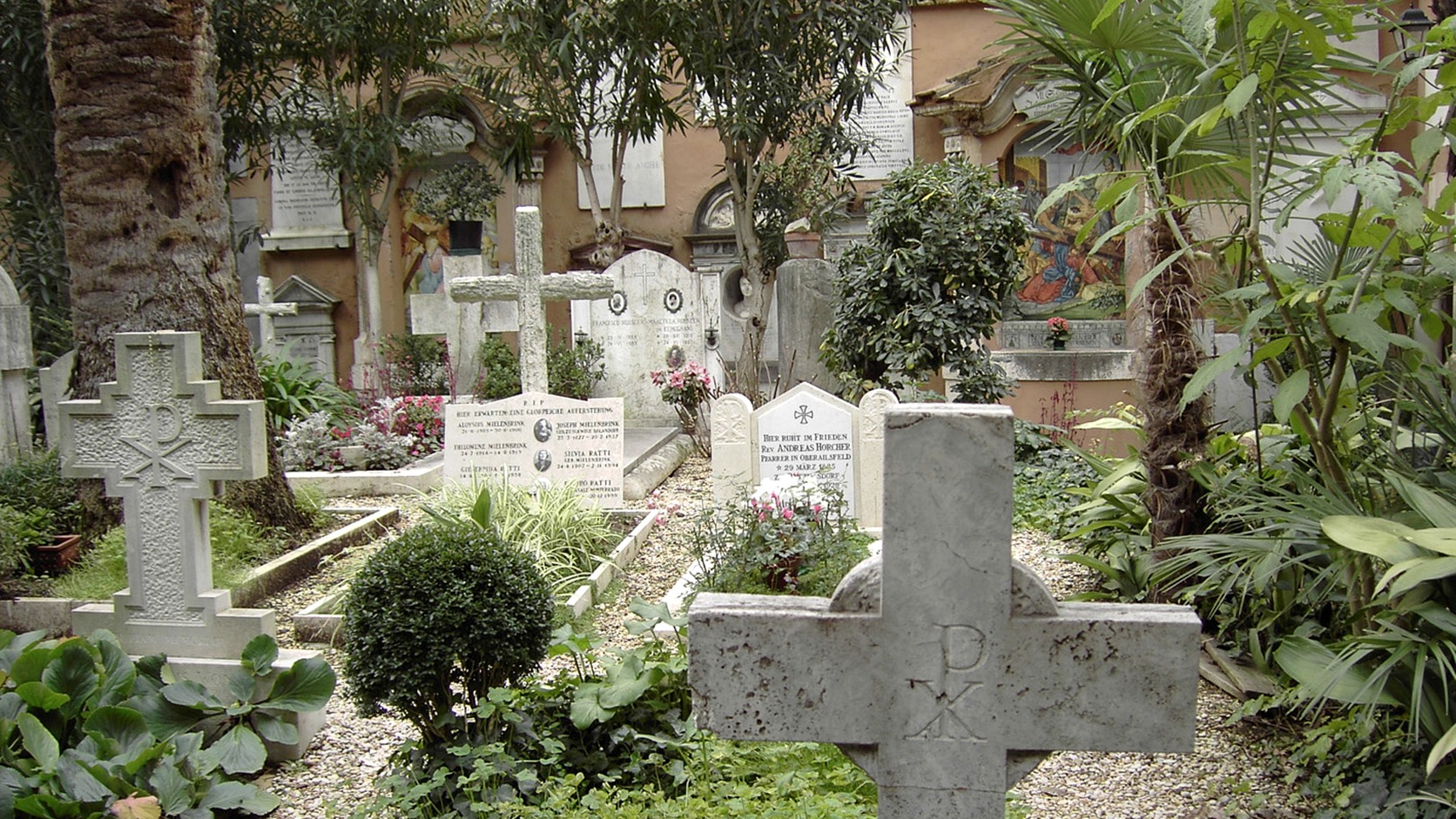
Additional Research Record 1. Redraw the Timeline
Re-expanding the material on the desk, this time obscuring the conclusion. The place and time were lined up, leaving only "Emmanuela disappeared on June 22, 1983 after a music class in Rome." Unconfirmed sections were marked with blank squares instead of filling in with imagination. The larger the square, the less reliable the hypothesis that had to pass through it became.
On top of it, I tried to post an explanation that "a person approached from the street lured Emmanuela with a short-term job offer." At first, everything seemed right, but when the question "Did the person who proposed the promotion choose the target around the music school?" was substituted, a weak connection was revealed. Hypotheses must endure questions. If you keep calling new coincidences to avoid questions, you will be created from the moment, not reasoning.
The result obtained from this section is not a confirmed criminal or a complete plaintext. Instead, it became clear which explanations required fewer assumptions, and what was found would flip the ranking. Even if the case is not completed, the scope of the investigation can be narrowed. This record is intended to leave that narrow boundary.
Further investigation records 2. Missing links
The data was unfolded again on the desk and this time, the conclusion was obscured. The place and time were continued in one line, leaving only, "There was a phone call to the effect that I received an offer to promote Avon from my family on the day of disappearance." Unconfirmed sections were not filled with imagination but were marked with empty squares. The larger the square, the lower the reliability of the hypothesis that had to pass through the section.
On top of it, I posted an explanation, "After personal crimes, political demand calls took up the case and covered the original clue." At first, everything seemed right, but when the question was substituted, "Was there any information that only the criminal could know during the initial call?" Hypothesis must endure question. If you keep calling new coincidences to avoid questions, from the moment on, you will be created, not reasoning.
The result obtained from this section is not a confirmed criminal or a complete plaintext. Instead, it became clear which explanations required fewer assumptions, and what was found would flip the ranking. Even if the case is not completed, the scope of the investigation can be narrowed. This record is intended to leave that narrow boundary.
Further investigation record 3. The path of movement of objects
Re-expanding the data on the desk, this time obscured the conclusion. The place and time were lined up, leaving only "Following calls gave different demands and explanations, and caller ID was not identified." Unidentified sections were marked with blank squares instead of filled in by imagination. The larger the square, the less reliable the hypothesis had to pass through it.
On top of it, I posted an explanation that "Emmanuela's planned abduction for Vatican status was prepared from the beginning." At first, everything seemed to be correct, but when the question "Is there an independent evidence linking political demands and the movement on the day of disappearance?" was substituted, a weak connection was revealed. Hypothesis must endure question. If you keep calling new coincidences to avoid questions, from the moment on, you will be created, not reasoning.
The result obtained from this section is not a confirmed criminal or a complete plaintext. Instead, it became clear which explanations required fewer assumptions, and what was found would flip the ranking. Even if the case is not completed, the scope of the investigation can be narrowed. This record is intended to leave that narrow boundary.
Further Survey Record 4. Opposite Hypothesis Night
The data was unfolded again on the desk, and this time the conclusion was obscured. The place and time were continued in a line, leaving only "the bone fragment from the search of the Teuton Cemetery in 2019 was judged to be from a far earlier period than the disappearance of Emmanuela." Unconfirmed sections were not filled in by imagination but were marked with an empty square. The larger the square, the lower the reliability of the hypothesis that had to pass through the section.
On top of it, I tried to post an explanation that "a person approached from the street lured Emmanuela with a short-term job offer." At first, everything seemed right, but when the question "Did the person who proposed the promotion choose the target around the music school?" was substituted, a weak connection was revealed. Hypotheses must endure questions. If you keep calling new coincidences to avoid questions, you will be created from the moment, not reasoning.
The result obtained from this section is not a confirmed criminal or a complete plaintext. Instead, it became clear which explanations required fewer assumptions, and what was found would flip the ranking. Even if the case is not completed, the scope of the investigation can be narrowed. This record is intended to leave that narrow boundary.
Further Survey Record 5. Distance between record and memory
The data was unfolded again on the desk and this time the conclusion was hidden. The place and time were continued in one line, leaving only "Vatican law enforcement officials said they had delivered the 2023 investigation data to Italian investigative agencies." The unconfirmed section was not filled in by imagination but marked with an empty square. The larger the square, the lower the reliability of the hypothesis that had to pass through the section.
On top of it, I posted an explanation, "After personal crimes, political demand calls took up the case and covered the original clue." At first, everything seemed right, but when the question was substituted, "Was there any information that only the criminal could know during the initial call?" Hypothesis must endure question. If you keep calling new coincidences to avoid questions, from the moment on, you will be created, not reasoning.
The result obtained from this section is not a confirmed criminal or a complete plaintext. Instead, it became clear which explanations required fewer assumptions, and what was found would flip the ranking. Even if the case is not completed, the scope of the investigation can be narrowed. This record is intended to leave that narrow boundary.
· Vatican News — evidence delivered to civil authorities
· Holy See Press Office — investigation cooperation
· Holy See Press Office — Teutonic Cemetery findings
※ This article is a commentary in the form of personal survey records based on public records and reliable data. I have distinguished between confirmed facts and my reasoning, and when a new official announcement is made, the judgment is updated. Some colors and compositions were edited according to the permitted license conditions, and each image source was indicated in the caption.